
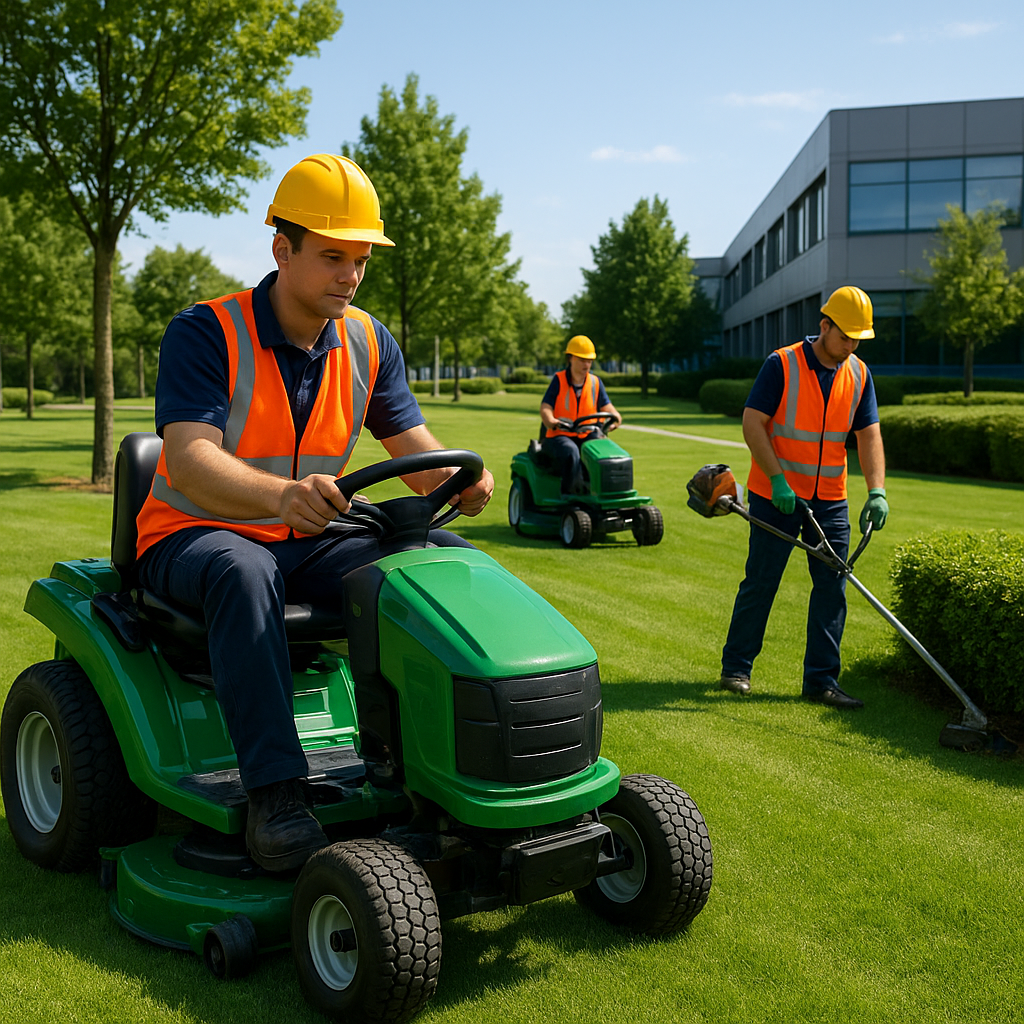
Effective Grounds Maintenance: Practical Insights for Procurement and Operations
Balancing Operational Excellence and Strategic Asset Management
Grounds maintenance plays a pivotal role in the stewardship of commercial, public, and private estates. Far from being a mere routine task, it represents a significant procurement and operational decision that directly influences site usability, safety, and the overall perception of an organisation or property. Whether managing a regional commercial portfolio or a heritage estate, the quality and consistency of grounds maintenance impact not only the visual appeal but also the longevity and value of the assets involved.
In practice, many buyers and operations directors underestimate how intricately grounds maintenance ties into risk mitigation and brand reputation management. Maintaining clear sightlines, safe pathways, and healthy vegetation reduces liabilities, while well-kept grounds reinforce positive visitor and tenant impressions. This article draws on industry experience to unpack the technical, regulatory, and strategic factors essential to informed grounds maintenance procurement and management.
Understanding Grounds Maintenance Variants and Their Influence on Equipment and Buying Decisions
Grounds maintenance encompasses a spectrum of activities that broadly fall into three categories: soft landscaping, hard landscaping, and integrated estate grounds maintenance. Each has distinct operational demands that shape the choice of machinery, service models, and procurement strategies.
Soft landscaping focuses on living plant material such as lawns, shrubs, flowerbeds, and trees. It requires specialised equipment like ride-on mowers, flail mowers, brush cutters, hedge trimmers, and edgers. For instance, a commercial park with extensive grassed areas may rely heavily on Kubota ride-on mowers for their reliability and parts availability, while a municipal park might prefer Toro flail mowers for their versatility in rough terrain.
Hard landscaping involves maintaining non-living elements such as paths, walls, fencing, and drainage systems. This typically necessitates different skill sets and equipment, including compact excavators, power washers, and surface sweepers. Integrated estate grounds maintenance combines both soft and hard landscape upkeep, often adding seasonal planting and pest control to the mix.
The scale and complexity of the site are crucial determinants of whether new or used equipment is appropriate. Large estates or commercial portfolios often benefit from newer machinery with advanced features like GPS-based guidance systems or hybrid engines that reduce fuel consumption and emissions. Conversely, smaller operations or budget-conscious local authorities might acquire well-maintained used equipment to stretch capital while ensuring functionality.
One scenario we encounter regularly involves a regional council managing multiple parks with varying terrain and vegetation types. The maintenance team opted for a mixed fleet of new ride-on mowers for high-visibility lawns and refurbished flail mowers for less accessible, rougher areas. This hybrid approach balanced upfront costs with operational flexibility.
Key Technical Considerations When Evaluating Grounds Maintenance Equipment and Services
When procuring grounds maintenance machinery or contracting services, a thorough technical evaluation is paramount. Buyers frequently overlook critical inspection points that later cause operational disruptions or inflated maintenance costs.
Engine condition is the foremost aspect to assess. For diesel-powered machines, checking for consistent compression, absence of smoke on start-up, and clean fuel injection systems can indicate sound engine health. Hydraulic systems deserve particular attention as leaks or pressure losses compromise cutting performance and safety. Inspecting seals, hoses, and cylinders for wear or damage is essential, especially on older equipment.
The cutting decks themselves must be evaluated for blade sharpness, corrosion, and structural integrity. In some cases, buyers encounter machines with warped decks that cause uneven cuts or increased wear on blades. The compatibility of machinery with the site terrain and vegetation is another critical factor. For example, flail mowers excel on uneven, rough ground but may be less efficient on fine turf where rotary mowers perform better.
Service history and parts availability are decisive in the long-term viability of any purchase. Brands like John Deere and Kubota have extensive dealer networks and parts catalogues, reducing downtime risks. Conversely, older or niche-brand equipment may pose challenges in sourcing spare components, especially if discontinued. Procuring machinery without a complete service record or known maintenance gaps is a common pitfall that can lead to unexpected costs.
Evaluating Total Cost of Ownership Beyond Initial Purchase Price
Initial capital outlay is only one element of grounds maintenance equipment procurement. In practice, total cost of ownership (TCO) considerations often dictate whether a purchase is ultimately successful.
Refurbishment costs should be weighed carefully against lead times for new equipment. For example, a private estate requiring urgent replacement of a ride-on mower might find that a professionally refurbished machine from a specialist supplier offers faster turnaround and acceptable reliability compared to a new model with a six to eight-week delivery timeframe.
Spare parts sourcing is another crucial factor. Older models may have cheaper upfront costs but could face extended downtime due to parts scarcity, increasing operational disruption and labour costs. On the other hand, modern electric or hybrid grounds maintenance machinery, while offering improved efficiency and compliance with environmental regulations, generally carry higher purchase prices and may require specialised servicing skills.
Operational efficiency differences are tangible. Electric mowers, for instance, reduce noise and emissions, enabling work in noise-sensitive or regulated areas. However, battery life, charging infrastructure, and replacement costs must be factored into the TCO analysis. Diesel-powered machines remain prevalent in larger estates due to their robustness and fuel availability, but increasingly stringent emissions regulations are influencing procurement decisions.
Navigating Compliance, Safety Standards, and Environmental Requirements in Grounds Maintenance
Compliance with UK regulatory frameworks is non-negotiable for grounds maintenance operations. Lifting equipment used in grounds work, such as telehandlers or cherry pickers for tree maintenance, must meet LOLER (Lifting Operations and Lifting Equipment Regulations) requirements. This involves regular inspections, thorough examinations, and appropriate operator training.
PUWER (Provision and Use of Work Equipment Regulations) governs the safety of machinery, mandating risk assessments and safe operating procedures. Procurement managers should verify that equipment complies with these standards and that contractors hold relevant certifications and insurance.
Environmental compliance is increasingly significant. Pesticide application must adhere to the Control of Pesticides Regulations (COPR), with operators trained in safe handling and disposal. Waste management protocols for green waste and chemical containers are essential to prevent environmental contamination.
Noise restrictions often apply to maintenance activities, especially in residential or conservation areas. Procurement decisions should consider machines with noise-reduction features or schedule work during permitted hours. Seasonal restrictions may also limit certain maintenance tasks to protect wildlife or avoid damage to sensitive plant species.
Practical Procurement Scenarios Reflecting Real-World Grounds Maintenance Challenges
Consider a commercial property management firm overseeing a portfolio that includes office parks, retail centres, and mixed-use developments. The diversity of hard and soft landscaping requires a flexible grounds maintenance approach. Procurement involved evaluating service providers capable of delivering integrated maintenance encompassing lawn care, hard surface cleaning, and seasonal planting. Equipment choices included a mix of new ride-on mowers for high-visibility areas and used brush cutters for detail work.
A local authority park faced the challenge of replacing ageing machinery amid tight budgets and fluctuating seasonal demand. The procurement team adopted a phased replacement strategy, sourcing refurbished flail mowers and ride-on mowers from reputable suppliers with full service histories. This approach balanced budgetary constraints with operational needs and allowed for planned downtime without compromising park standards during peak visitor periods.
In managing a heritage-listed private estate, the maintenance team confronted the need to preserve delicate grounds while integrating modern efficiency. This required selecting machinery with low ground pressure to prevent soil compaction and opting for electric-powered equipment to reduce emissions. The procurement process involved close consultation with conservation specialists and equipment manufacturers to ensure compliance with preservation guidelines.
Frequently Asked Questions from Grounds Maintenance Procurement Professionals
What inspection criteria should be prioritised when sourcing used grounds maintenance machinery?
When evaluating used equipment, the engine’s mechanical condition is paramount, including compression, fuel system integrity, and exhaust emissions. Hydraulic system health must be assessed for leaks and pressure consistency, as these directly affect cutting performance. Inspecting the cutting decks for structural damage or blade wear is also essential. Additionally, reviewing the service history helps identify recurring issues and verifies regular maintenance. Buyers should also confirm the availability of spare parts to avoid prolonged downtime.
How can procurement managers accurately forecast maintenance equipment lifecycle costs?
Forecasting lifecycle costs requires analysing not only the purchase price but also expected maintenance, fuel or energy consumption, parts replacement, and potential downtime costs. Historical data from similar equipment within the organisation or sector can inform estimates. Including refurbishment or remanufacturing expenses, especially for used machinery, refines accuracy. Factoring in technological shifts, such as transitioning to electric machinery, may alter operational costs and should be included in long-term planning.
What are the key compliance pitfalls when contracting grounds maintenance services for public spaces?
Common pitfalls include failing to verify contractor adherence to PUWER and LOLER regulations, which can result in unsafe operations or legal sanctions. Overlooking pesticide application licences and environmental protocols risks regulatory breaches and public harm. Noise and timing restrictions are often disregarded, causing community complaints or enforcement actions. Ensuring contractors have robust risk assessments, method statements, and insurance coverage mitigates these risks.
How do technological advances in machinery impact long-term grounds maintenance strategies?
Technological advancements, such as electric and hybrid powertrains, GPS-guided mowing, and telematics, enhance efficiency, reduce environmental impact, and improve data-driven decision-making. These innovations can lower fuel costs, reduce noise pollution, and enable predictive maintenance. However, they may require investment in staff training and infrastructure upgrades. Procurement strategies must balance adopting new technology with operational readiness and budget constraints to maximise long-term benefits.
Integrating Expertise into Effective Grounds Maintenance Decisions and Resources
Grounds maintenance represents a multifaceted discipline that demands detailed technical knowledge, strategic foresight, and regulatory awareness. In practice, buyers frequently overlook nuanced factors such as hydraulic system condition or spare parts availability that later cause operational disruptions. Understanding the distinct types of grounds maintenance—soft, hard, and integrated—and their associated equipment needs enables procurement teams to tailor solutions precisely to site-specific demands.
Moreover, total cost of ownership considerations extend well beyond the initial purchase price. Balancing refurbishment costs against delivery lead times and evaluating operational efficiency differences between traditional diesel and modern electric machinery can significantly influence long-term value. Compliance with safety and environmental standards is not simply an administrative task but a core component of responsible grounds maintenance that protects operators, the public, and the environment.
Real-world procurement scenarios demonstrate the importance of adaptive, informed strategies in sourcing grounds maintenance solutions that align with budgetary, operational, and regulatory requirements. For organisations seeking expert support and tailored service offerings, the comprehensive resources available at Glendale Services Grounds Maintenance offer a practical foundation grounded in industry experience and technical depth.