
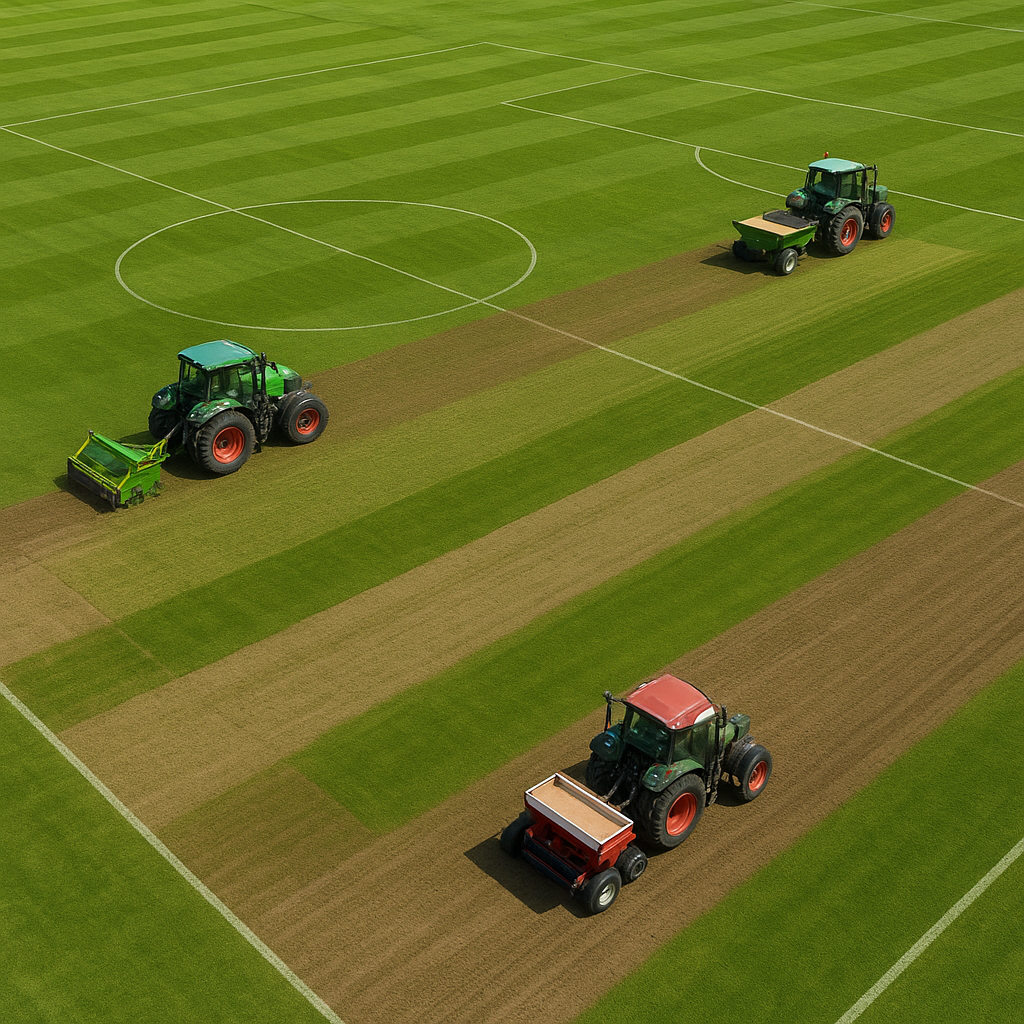
Optimising Grounds Performance Through Expert Sports Turf Services
Why Sports Turf Services Are Crucial for Operational Success in Grounds Maintenance
Sports turf services are a fundamental aspect of maintaining high-quality playing surfaces that meet the demands of competitive sport, community use, and recreational activities. For procurement managers and operations directors in the grounds maintenance sector, understanding the strategic importance of these services is essential. The quality of sports turf directly influences player safety, pitch playability, and the aesthetic appeal of sports venues, all of which contribute to the facility’s reputation and usability.
In practice, procurement decisions made around sports turf services extend far beyond immediate costs. Investing in comprehensive turf care programmes supports long-term asset value by preventing surface degradation, minimising costly emergency repairs, and extending the lifespan of pitches. Facilities managers frequently encounter challenges such as soil compaction, wear from intensive use, drainage issues, and pest or disease outbreaks, all of which require targeted maintenance strategies. Failure to address these proactively can result in pitch closures, player injuries, or non-compliance with league standards.
Moreover, the operational budgets for grounds teams are under constant pressure to deliver consistent surface quality while managing labour and equipment costs. Selecting the appropriate turf services and associated machinery is therefore a critical decision that affects both short-term operational efficiency and long-term capital planning.
Variants of Sports Turf Services and Their Influence on Equipment and Buyer Decisions
Sports turf services encompass a range of specialised activities designed to maintain or restore pitch quality. These include turf renovation, pitch aeration, overseeding, and topdressing, each serving distinct purposes and requiring specific equipment and expertise.
Turf renovation is a comprehensive process often involving scarification, aeration, overseeding, and topdressing to rejuvenate worn or compacted turf. This service is vital where pitches have suffered from prolonged use or environmental stress. Pitch aeration alone, using hollow coring or solid tine machines, improves soil oxygenation and drainage without the disruption of full renovation. Overseeding replenishes turf density and grass species composition, while topdressing with sand or rootzone materials enhances surface smoothness and drainage capacity.
Choosing between natural grass, hybrid, and artificial turf significantly affects the selection of services and machinery. Natural grass pitches require regular renovation and aeration cycles to maintain health and resilience. Hybrid turf, which integrates synthetic fibres with natural grass, demands specialised maintenance equipment capable of handling the unique rootzone structure without damaging synthetic components. Artificial turf surfaces, while less maintenance-intensive, still require grooming, infill replenishment, and occasional surface repairs, which involve different service providers and machinery.
The scope of turf services—whether routine maintenance or major renovation—also shapes procurement choices. For instance, a sports venue with multiple pitches may opt for used turf machinery such as Toro aerators or Jacobsen scarifiers to manage routine tasks cost-effectively. Conversely, major renovation projects often justify investment in newer, more advanced equipment offering improved efficiency and lower emissions, such as the latest Dennis mowers with precision cutting decks. Buyers must weigh the benefits of refurbished or used machinery against the operational demands and warranty considerations.
What to Inspect and Evaluate Before Committing to Sports Turf Services or Equipment
Before engaging in sports turf services or purchasing related equipment, a rigorous technical evaluation is indispensable. The starting point is a thorough assessment of the turf surface itself. This includes examining surface integrity for signs of wear, patchiness, or disease damage. Drainage efficiency must be tested, often through percolation tests or visual inspection of water pooling after rainfall. Soil compaction levels are critical; high compaction impedes root growth and water infiltration, necessitating aeration interventions.
Diagnostic tools such as penetrometers or soil moisture sensors provide quantitative data to guide maintenance decisions. Turfgrass health diagnostics, possibly including laboratory analysis of nutrient levels and pathogen presence, will inform the appropriate fertiliser or treatment regimen.
When considering turf maintenance machinery, buyers should inspect engine hours as a proxy for equipment wear. Cutting deck condition is paramount; blades must be sharp and free from corrosion or damage to ensure clean cuts that promote turf health. Hydraulic systems require assessment for leaks or pressure loss, as these impact machine reliability and safety. Importantly, availability of original equipment manufacturer (OEM) parts or high-quality aftermarket components affects ongoing maintenance costs and machine downtime.
Procurement managers should also evaluate the technical competencies of service providers. This involves verifying certifications relevant to turf management, such as British Standard BS 7370, which governs grounds maintenance practices. Evidence of successful past projects, ideally documented with performance metrics or client testimonials, is a valuable indicator of provider capability and reliability.
Understanding Total Cost of Ownership and Value in Sports Turf Service Procurement
Cost considerations in sports turf management extend well beyond initial purchase price or contract fees. Total cost of ownership (TCO) analysis is essential to capture the full financial impact of turf services or equipment acquisition. This includes factoring in refurbishment cycles, spare parts availability, lead times for critical components, and the risk of operational downtime.
Older machinery may be attractive due to lower upfront costs, but in practice, buyers frequently overlook the escalating expenses associated with fuel inefficiency, increased maintenance frequency, and potential lack of parts. For example, a regional rugby club faced a decision between retaining a decade-old Toro aerator and investing in a modern equivalent. The older model required fuel at a higher rate and had intermittent hydraulic issues, leading to unplanned stoppages during peak season. The club ultimately chose to replace the machine, recognising that improved fuel economy, ergonomic features, and digital diagnostics reduced total lifecycle costs despite the higher capital outlay.
Refurbishment options can bridge the gap between new and used equipment, offering extended service life and warranty coverage. However, the decision must consider the availability of skilled technicians and the reliability of refurbishment providers. Delays in spare parts delivery or inadequate refurbishment quality can disrupt maintenance schedules, impacting pitch quality.
Navigating Compliance, Environmental Standards, and Compatibility in Turf Management
Compliance with environmental and safety regulations is a critical aspect of sports turf service procurement. In the UK, grounds management operations must adhere to strict controls on chemical applications, including pesticides and fertilisers, governed by regulations such as the Control of Pesticides Regulations (COPR). Water management practices must align with local water authority guidelines to prevent runoff pollution and promote sustainability.
Sustainable groundskeeping is increasingly prioritised, with many venues adopting integrated pest management (IPM) strategies and utilising eco-friendly products. These approaches require service providers to have up-to-date knowledge of regulatory frameworks and access to compliant materials.
Compatibility considerations are equally important. Turf renovation services must integrate effectively with existing irrigation systems, drainage infrastructure, and pitch lighting setups. For example, aggressive scarification or topdressing without accounting for sub-surface drainage can exacerbate waterlogging issues. Similarly, hybrid turf renovation techniques must preserve the integrity of synthetic fibres and rootzone blends to maintain certified pitch performance.
Industry standards such as the FIFA Quality Programme for Football Turf and Sport England guidelines provide benchmarks for turf quality, safety, and performance. Ensuring that services and equipment meet or exceed these standards helps facilities maintain accreditation and meet league requirements.
Real-World Procurement Scenarios Illustrating Sports Turf Service Challenges and Outcomes
One scenario encountered regularly involves a municipal sports centre managing multiple pitch types, including natural grass football fields and synthetic hockey pitches. Operating under tight budget constraints, the facility opted for phased turf renovation services. Initial focus was on aeration and overseeding to improve natural grass pitches, using a mix of hired equipment and in-house labour. This approach balanced cost control with maintaining surface quality until capital funds allowed for a full renovation the following year.
In a different context, a professional football club faced challenges upgrading its hybrid turf pitches. The club required specialised machinery capable of scarifying and aerating without damaging synthetic components. Procurement involved evaluating equipment from manufacturers known for hybrid-compatible machines, such as Toro and Jacobsen. The club also coordinated renovation schedules tightly around the playing calendar to minimise downtime, illustrating the operational complexity of elite sports turf management.
A third example concerns a secondary school sports facility with limited technical expertise within its grounds team. The school prioritised reliable, easy-to-maintain turf machinery and contracted a service provider offering tailored maintenance packages. This enabled the school to sustain pitch standards without overextending internal resources, demonstrating the value of flexible service models in less specialised environments.
Common Queries from Procurement and Operations Professionals About Sports Turf Services
How do I determine the optimal frequency and intensity of turf renovation for different sports and usage levels?
The optimal renovation schedule depends on several factors including sport type, pitch usage intensity, climate, and pitch construction. High-use sports such as rugby or football require more frequent aeration and overseeding, often biannually, to address compaction and wear. Lower-use or seasonal pitches may only need annual renovation. Soil testing and surface inspections should guide timing, ensuring interventions occur before turf quality deteriorates significantly. Consulting with service providers who can tailor programmes based on site-specific data is vital.
What are the risks of selecting used turf maintenance machinery without thorough technical inspection?
Purchasing used machinery without comprehensive inspection can result in hidden defects such as worn cutting decks, hydraulic leaks, or engine issues that lead to frequent breakdowns. These faults increase maintenance costs and cause operational downtime, disrupting maintenance schedules. Additionally, older models may lack compatibility with modern parts or suffer from limited availability of spares. A thorough technical evaluation, including checking service histories and performing functional tests, mitigates these risks and helps ensure value for money.
How can I ensure my sports turf services provider adheres to environmental and safety regulations?
Due diligence involves verifying that providers hold relevant certifications and licences for chemical applications and comply with environmental standards such as COPR. Requesting documentation of risk assessments, method statements, and evidence of staff training in safe handling practices is advisable. Providers should also demonstrate knowledge of sustainable practices and have clear policies on waste disposal and pollution prevention. Regular audits or performance reviews help maintain compliance over the contract duration.
What factors influence the decision between outsourcing turf services versus maintaining in-house capabilities?
Deciding whether to outsource or keep turf maintenance in-house depends on available expertise, budget, and operational priorities. In-house teams offer greater control and immediate response capability but require investment in skilled labour and equipment. Outsourcing can provide access to specialist knowledge, advanced machinery, and flexible service levels, which is beneficial for organisations with limited technical resources or fluctuating workloads. The decision should consider cost comparisons, service quality expectations, and long-term strategic goals.
Bringing It All Together: Maximising Value and Performance Through Informed Sports Turf Service Choices
Effective sports turf management is a complex endeavour requiring a nuanced understanding of turf science, machinery capabilities, regulatory frameworks, and operational constraints. Aligning sports turf service specifications with the unique demands of each venue, seasonal usage patterns, and budget realities is essential to sustaining pitch quality and safety. Practical decision-making must balance immediate operational needs with the long-term health of playing surfaces and financial stewardship.
Engaging with expert turf renovation providers who offer technical support, proven methodologies, and tailored service options can significantly ease this process. Providers like ALS Contracts bring industry experience and a comprehensive approach that addresses both the technical and logistical aspects of turf maintenance. Their detailed offerings, such as those outlined on the sports turf services page, provide valuable insights for procurement and operations professionals seeking to optimise their grounds maintenance programmes.
Ultimately, informed choices supported by rigorous evaluation and strategic planning enable sports venues to deliver consistently high-performing turf surfaces. This enhances user satisfaction, preserves asset value, and ensures compliance with evolving industry standards and environmental regulations.