
Making Informed Choices for Driveways in Preston: Technical Expertise and Practical Insights
Selecting the right driveway solution in Preston involves more than aesthetic preference or initial cost considerations. For procurement managers, plant engineers, and operations directors, understanding the technical, environmental, and regulatory factors that influence driveway design and installation is crucial. Preston’s specific climate, soil composition, and urban planning frameworks present distinct challenges and opportunities that affect material selection, construction methods, and long-term maintenance strategies. This article delves into the complexities surrounding driveways in Preston, providing detailed insights drawn from real-world experience and industry knowledge to support well-informed procurement and operational decisions.
The Strategic Importance of Driveway Solutions in Preston
Driveways serve as critical access points for properties, affecting vehicle movement, site safety, and overall operational efficiency. In Preston, the local climate characterised by frequent rainfall and moderate temperature fluctuations places particular demands on driveway materials and drainage design. Clay-rich soils and shale substrata common across Lancashire can cause ground movement and water retention issues, influencing sub-base preparation and pavement design.
From a procurement perspective, overlooking these environmental factors can lead to premature surface degradation, increased maintenance costs, and operational disruptions. A driveway that does not adequately support the weight of frequent vehicle traffic, especially in commercial or logistics settings, can accelerate wear on both vehicles and pavement, resulting in higher total cost of ownership. Moreover, compliance with local planning and environmental regulations is essential to avoid costly retrofits or legal complications.
Understanding Driveway Types in Preston: Material and Design Implications
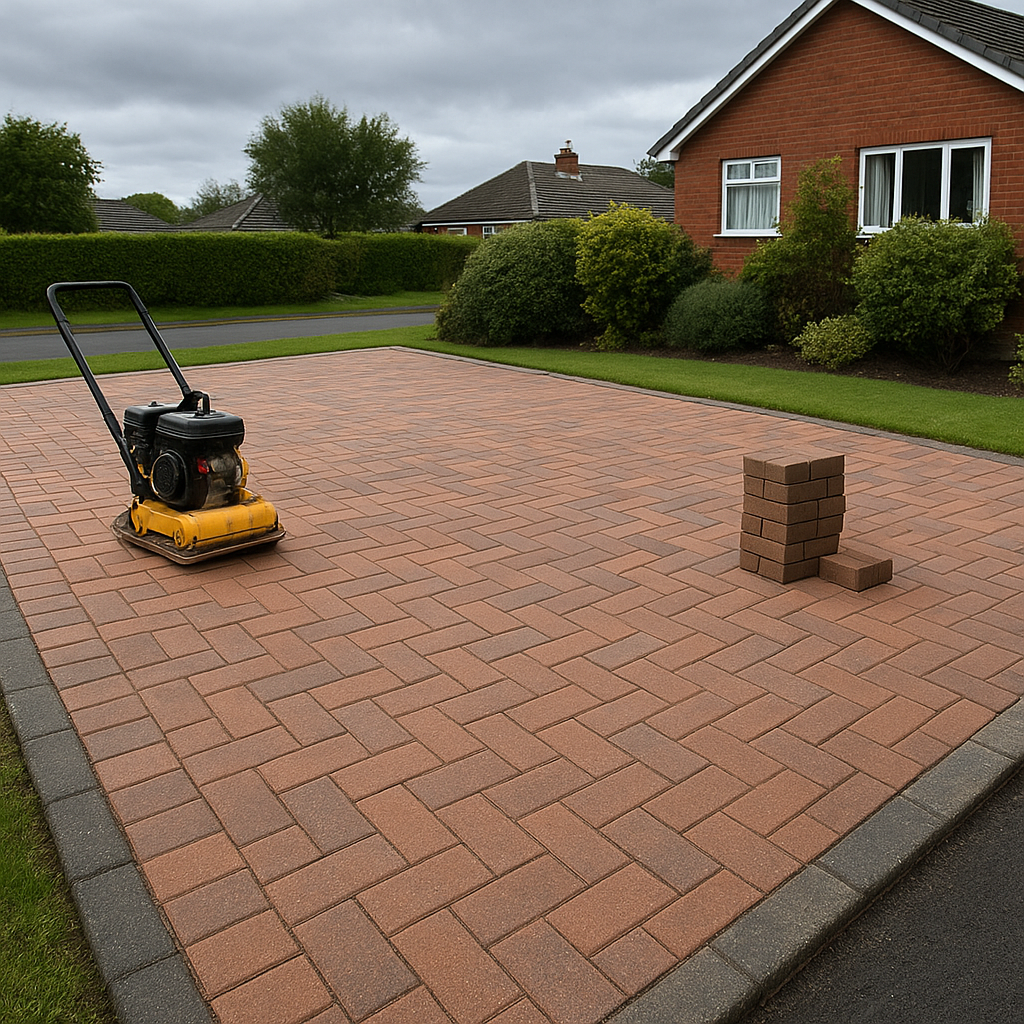
Preston projects commonly feature a selection of driveway types, each with distinct technical characteristics, installation complexities, and suitability for local conditions. Traditional concrete driveways offer durability but require careful curing and jointing to address movement from Preston’s clay soils. Block paving, a popular choice for both residential and commercial sites, provides flexibility and ease of repair but demands precise sub-base construction to prevent settling.
More recently, resin-bound surfaces have gained traction for their aesthetic versatility and permeability. These systems combine aggregate with a clear resin binder, facilitating water drainage and reducing surface runoff, a significant consideration given Preston’s flood risk zones. However, installation of resin-bound driveways requires specialist contractors and careful temperature control during curing, which can affect project timelines in the Lancashire climate.
Permeable driveways, including porous asphalt and gravel systems, are increasingly specified to meet Sustainable Urban Drainage Systems (SuDS) requirements. While these options support environmental compliance, they necessitate rigorous ground assessment to ensure adequate infiltration rates and prevent waterlogging. Material availability also influences supplier selection; for instance, block paving manufacturers such as Marshalls and Tobermore maintain regional distribution centres that can impact lead times and cost.
Assessing Driveway Options: Key Technical Criteria for Procurement
A thorough technical evaluation is essential before committing to a driveway solution in Preston. Ground preparation standards are paramount, particularly given the region’s clay and shale soils. The sub-base must be engineered to support expected loads and provide effective drainage. BS EN 13242 outlines specifications for aggregates used in sub-base construction, emphasising particle grading and cleanliness to ensure stability and water permeability.
Pavement thickness should be tailored to application. Domestic driveways typically require a pavement depth of around 150mm to 200mm, whereas commercial or industrial sites with heavy vehicle traffic may need thicknesses exceeding 300mm, incorporating reinforced layers. Inspection protocols should include verification of surface evenness within tolerances of 3mm over 2 metres, and joint integrity to prevent water ingress and frost damage. Compliance with BS 7533 series standards on pavements and paving is a critical benchmark for workmanship and material performance.
Evaluating Total Cost of Ownership in Driveway Projects
Upfront installation costs are only part of the financial equation when procuring driveways in Preston. Buyers frequently overlook the implications of maintenance cycles, refurbishment needs, and lifespan in the local environmental context. For example, while concrete driveways may present higher initial costs, their longevity can offset maintenance demands if properly designed and constructed.
Resin-bound and permeable surfaces, though potentially more expensive initially due to specialist labour and materials, can reduce long-term drainage infrastructure expenses and mitigate flood risks. However, procurement managers should assess the availability of replacement materials and spare parts. Regional suppliers’ stock levels and lead times for aggregates, resin binders, or block paving units can significantly affect project continuity, especially for phased developments or repairs.
Older driveway designs may offer cost advantages but often lack the efficiency and compliance features of modern systems. For instance, non-permeable surfaces can contribute to runoff problems requiring additional drainage solutions. Conversely, newer permeable technologies can deliver operational savings by reducing surface water management costs and extending pavement life, a factor increasingly relevant under Preston’s evolving planning policies.
Navigating Compliance and Regulatory Frameworks for Driveways in Preston
Local authority regulations under Preston City Council impose specific requirements on driveway construction, particularly concerning planning permissions and environmental impact. Projects within designated conservation areas or flood-prone zones may require additional consent and adherence to design guidelines that influence material choice and surface finish.
Integration of Sustainable Urban Drainage Systems (SuDS) is often mandated to manage surface water runoff effectively. Compliance with the Flood and Water Management Act necessitates that driveways incorporate permeable materials or drainage features that mitigate flood risk. Health and safety standards during installation and ongoing use must address site traffic management, ensuring pedestrian safety and minimising disruption.
Practical Procurement Scenarios: Real-World Driveway Projects in Preston
One scenario we encounter regularly involves a mid-scale residential redevelopment in Preston’s Ribbleton area, where the client required resin-bound surfacing to satisfy SuDS compliance and aesthetic objectives. The challenge was balancing the resin curing time against the Lancashire weather, which necessitated detailed project scheduling and contingency planning. The outcome was a durable, visually appealing driveway that met regulatory standards and client expectations.
In a commercial logistics yard upgrade near Preston Docklands, heavy-duty block paving was specified to support articulated lorries. This project required reinforced sub-base construction using high-quality aggregates conforming to BS EN 13242, sourced locally from a Lancashire quarry to ensure supply chain efficiency. The enhanced structural design extended pavement life and reduced downtime related to repairs, demonstrating the value of technical due diligence during procurement.
Another example involved a council-led refurbishment of historical suburban streets in Fulwood, where driveway materials had to match conservation area criteria. Sourcing appropriate block paving with traditional aesthetics from established manufacturers was critical. The project highlighted the importance of aligning procurement decisions with heritage considerations and regulatory constraints, underscoring the need for specialist knowledge in such contexts.
Addressing Common Queries from Procurement and Operations Professionals
What factors determine whether permeable driveways are suitable for Preston’s local flood risk zones? Suitability depends primarily on the site’s soil infiltration capacity, topography, and existing drainage infrastructure. In Preston, areas with heavy clay soils may require engineered permeable systems with sub-surface attenuation tanks or soakaways to manage runoff effectively. Additionally, compliance with local SuDS policies and flood risk assessments shapes the selection process.
How do material warranties and installation certifications impact long-term project risk management? Warranties provide assurance against premature failure due to material defects or installation errors, which is crucial in mitigating financial risks. Installation certifications, often issued by manufacturers or industry bodies such as the British Resin Bound Surfacing Association, confirm adherence to best practices and standards. These documents support liability management and can influence insurance and maintenance planning.
What inspection checkpoints should be prioritised during and after driveway installation to avoid common defects? Key checkpoints include verifying sub-base compaction and drainage, ensuring surface evenness and correct jointing, and confirming that materials meet specified standards. Post-installation inspections should assess curing quality for resin-bound surfaces, check for surface integrity and absence of cracking, and monitor drainage performance during rainfall events. Early detection of defects reduces costly remediation.
How does choice of driveway type influence fleet maintenance costs and operational efficiency for commercial users? Driveway surfaces that fail prematurely or provide inadequate support can increase tyre wear, suspension strain, and vehicle downtime. For example, poorly constructed block paving may develop unevenness leading to vehicle vibrations, whereas well-designed permeable surfaces reduce water pooling that can cause corrosion. Selecting durable, load-rated materials aligned with vehicle types optimises fleet longevity and operational flow.
Drawing Practical Insights Together and Exploring Local Driveway Company’s Expertise
Procurement and operational decisions regarding driveways in Preston require a nuanced understanding of local environmental conditions, technical standards, and regulatory frameworks. The choice of driveway type is not merely aesthetic but deeply intertwined with ground preparation, structural design, and compliance with drainage and planning policies. Experienced buyers recognise that upfront costs must be weighed against long-term performance, maintenance demands, and potential operational impacts.
Practical experience in Preston reveals that successful driveway projects depend on selecting materials and construction methods suited to local soils and climate, coordinating with specialist contractors familiar with regional challenges, and maintaining rigorous inspection regimes. Whether managing residential developments, commercial logistics yards, or conservation-led refurbishments, aligning procurement with these realities mitigates risks and enhances value.
For those seeking detailed guidance and tailored driveway solutions specific to Preston, the Local Driveway Company’s Preston page offers valuable insights and a portfolio of projects demonstrating their technical expertise and practical approach. This resource serves as a useful reference point for procurement professionals aiming to make informed, compliant, and cost-effective driveway investments in the region.