
In-Depth Perspectives on Driveways in Preston: What Industry Pros Must Know
Driveways form a critical component of infrastructure projects across Preston, influencing not only aesthetic appeal but also long-term operational efficiency and maintenance costs. For procurement managers, plant engineers, and operations directors involved in residential or commercial developments, understanding the nuances of driveways Preston is essential. The local geology, climate, and urban environment impose unique challenges and opportunities that directly affect material choice, installation methods, and equipment procurement. This article explores these factors with a focus on practical decision-making grounded in industry experience.
Distinguishing Driveway Types and Their Impact on Project Viability
In Preston, the driveway market is predominantly shaped by four main types: block paving, resin bound surfaces, tarmacadam, and concrete. Each type brings distinct installation demands, maintenance profiles, and equipment implications, all of which influence procurement and project planning.
Block Paving
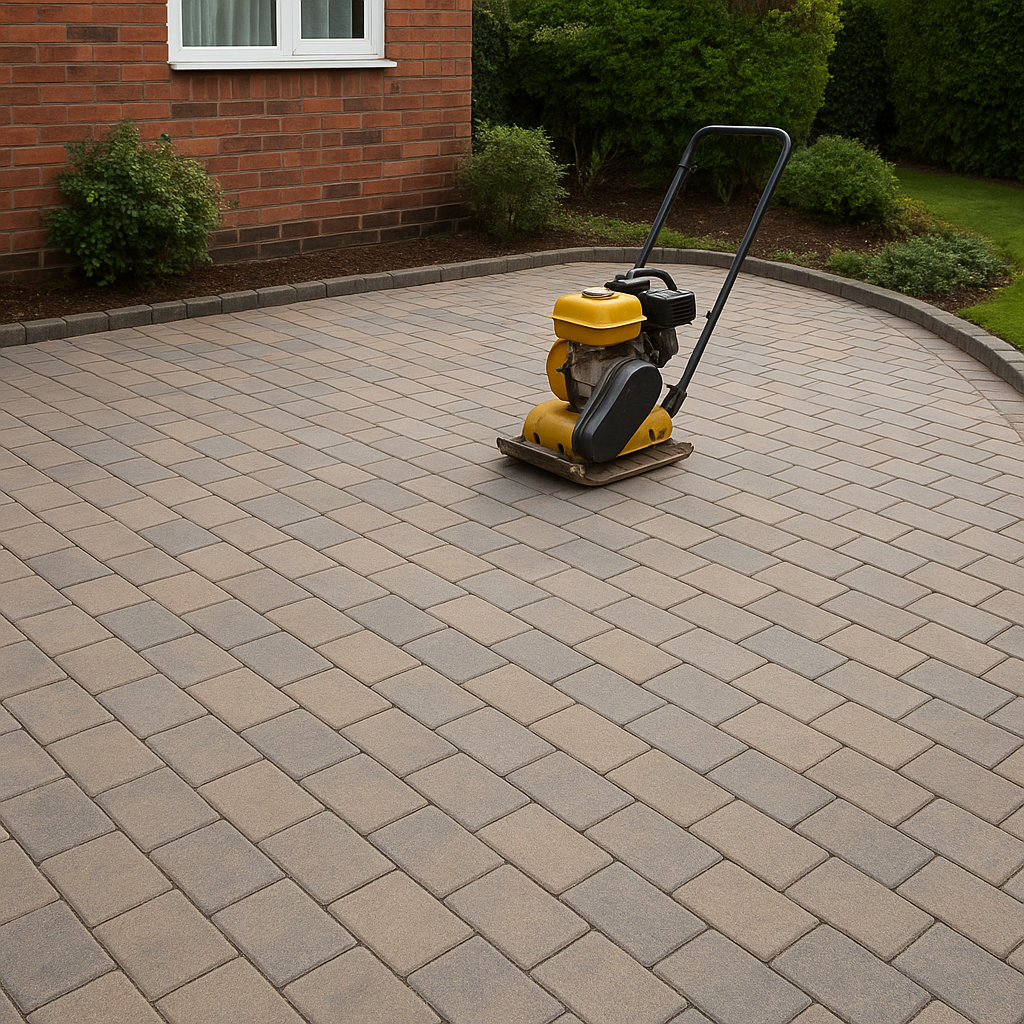
Block paving remains a popular choice in Preston due to its durability and visual versatility. Typically sourced from manufacturers such as Marshalls or Brett Landscaping, block paving involves laying individual concrete or clay blocks over a prepared base. This method demands precise sub-base preparation and compaction, often utilising vibrating plate compactors from brands like Wacker Neuson or Bomag. The modular nature of block paving allows for straightforward repairs, an important consideration for long-term maintenance budgeting.
However, block paving installation can be labour-intensive, requiring skilled operatives and specific equipment like screeding tools and block splitters. Installation timelines tend to be longer compared to resin bound or tarmac surfaces, which may affect project scheduling especially under tight deadlines common in Preston’s expanding suburban developments.
Resin Bound Surfaces
Resin bound driveways have gained traction for their seamless finish and permeability, aligning with Sustainable Urban Drainage Systems (SUDS) regulations increasingly enforced by local councils. These surfaces combine decorative aggregates with a clear resin binder, applied using specialised mixers and spreaders. Procuring resin and aggregate supplies can be challenging during periods of high demand, as was observed in a recent commercial project in Preston where resin shortages necessitated evaluating alternative suppliers swiftly to avoid costly delays.
Equipment for resin bound applications tends to be more specialised, including forced action mixers and trowelling tools suitable for spreading and levelling. The surface’s permeability reduces runoff, which is particularly advantageous in Preston’s relatively wet climate, mitigating flooding risks and complying with local environmental standards.
Tarmacadam
Tarmacadam or asphalt driveways offer cost-effective, durable solutions suitable for high-traffic areas. The installation process requires heavy-duty pavers and rollers, often sourced from manufacturers like Caterpillar or Dynapac. The equipment market for tarmacadam is robust, although buyer decisions must account for machine compatibility with site accessibility and volume requirements.
In Preston’s urban environments, tarmacadam is favoured for commercial car parks and municipal projects due to its rapid installation and repair capabilities. However, its impermeable nature means additional drainage solutions must be integrated to comply with local planning policies addressing stormwater management.
Concrete
Concrete driveways deliver high strength and longevity but come with longer curing times and more complex installation procedures. Equipment needs include concrete mixers, screeds, and power trowels. Procuring high-quality aggregates compliant with BS EN 12620 is essential to ensure durability, especially given Preston’s variable weather conditions.
Concrete’s rigidity can be a disadvantage on sites with poor soil stability, where subgrade movement may induce cracking. As a result, careful geotechnical assessment is often required before committing to concrete driveways in Preston’s suburban expansions.
Practical Technical Criteria for Evaluating Driveway Solutions Before Purchase
Before finalising a driveway solution, several technical criteria must be rigorously evaluated to ensure structural integrity and longevity. Soil composition is a primary concern; Preston’s variable geology, ranging from clay-rich areas to sandy substrates, affects drainage and load-bearing capacity. In practice, buyers frequently overlook thorough soil testing, which can lead to premature surface failure.
Drainage design must align with the chosen driveway type. For instance, impermeable surfaces like tarmacadam and concrete require well-planned fall gradients and drainage channels to prevent water pooling. Permeable options such as resin bound or specially designed block paving can alleviate some drainage demands but must still be evaluated against local rainfall patterns and ground absorption rates.
Material inspection is another critical factor. The quality of aggregates—size distribution, cleanliness, and mineral content—directly impacts surface durability. Binder types, especially in resin and tarmacadam, must be verified for compliance with British Standards, as improper curing or substandard components can compromise the driveway’s lifespan.
From an equipment perspective, compatibility with project scale and surface type is key. For example, compactors suitable for block paving bases differ significantly from those used for tarmacadam layers. In one scenario involving a medium-sized housing development in Preston, the procurement team had to ensure their fleet included both vibrating plate compactors and tandem rollers to handle diverse surface requirements efficiently.
Assessing Total Cost of Ownership: Beyond Initial Installation
While upfront installation costs often dominate procurement decisions, a comprehensive evaluation must incorporate total cost of ownership (TCO). This includes maintenance, refurbishment, repair, and equipment lifecycle expenses. Block paving may have higher initial labour costs but offers easier patch repairs and lower long-term disruption. Conversely, resin bound surfaces, though initially pricier due to material costs and specialised labour, can reduce maintenance frequency if installed correctly.
Equipment availability and lead times for spare parts in Preston’s regional market also influence TCO. For instance, older compactors from manufacturers like Bomag may have limited parts availability, leading to extended downtime and repair costs. Modern equipment, while sometimes more expensive to procure, often features improved fuel efficiency and quicker setup times, positively affecting overall project economics.
Refurbishment considerations are particularly salient on larger projects. A local council’s municipal car park upgrade in Preston demonstrated that investing in high-specification machinery and durable driveway materials upfront resulted in significantly lower costs over a 10-year horizon compared to cheaper alternatives that required frequent patching and resurfacing.
Navigating Compliance and Local Regulations in Preston Driveway Projects
Compliance with British Standards such as BS EN 12620 for aggregates and BS 7533 for block paving installation is non-negotiable for quality assurance. Additionally, Preston’s local planning authorities impose specific requirements on driveway construction, including permissions related to surface permeability and environmental impact assessments.
Sustainable Urban Drainage Systems (SUDS) compliance is increasingly enforced to mitigate surface water runoff and flooding risks. Driveways employing permeable materials or integrating drainage features like soakaways meet these criteria effectively. Procurement teams must ensure that design proposals align with these regulations to avoid costly redesigns or penalties.
Health and safety regulations also govern driveway installation. Safe operation of heavy equipment, proper site access controls, and adherence to COSHH guidelines for handling binders and chemicals are mandatory. In practice, project managers in Preston often integrate these compliance checks into supplier contracts to ensure accountability and reduce risks.
Real-World Procurement Challenges and Solutions in Driveway Installation
One common challenge encountered in Preston involves housing developers needing rapid installation of over 150 block paved driveways within tight planning deadlines. The procurement team coordinated with multiple suppliers, including Marshalls, to secure high-quality blocks and scheduled equipment hires meticulously. They also deployed experienced crews with proven efficiency to mitigate weather-related delays, typical in Preston’s climate.
Another example concerns a commercial contractor facing resin bound material shortages during a large-scale retail park project. Evaluating alternative suppliers required balancing product quality, delivery lead times, and compatibility with existing equipment. The team’s prior knowledge of resin manufacturers’ supply chains proved invaluable, enabling them to pivot quickly without compromising project timelines.
Local council projects upgrading municipal car parks in Preston illustrate the balancing act between budget constraints, longevity, and ease of future repairs. Here, a hybrid approach combining tarmacadam for high-traffic lanes and resin bound surfaces for pedestrian areas achieved compliance with environmental policies while optimising lifecycle costs.
Frequently Asked Questions About Driveways in Preston
What factors determine the best driveway material for Preston’s climate and soil conditions?
Preston’s climate is characterised by relatively high rainfall and occasional frost, while soil conditions vary from clay-heavy to sandy substrates. These factors influence drainage requirements, freeze-thaw resilience, and sub-base stability. Materials like resin bound or permeable block paving are advantageous for managing runoff, while tarmacadam and concrete require robust drainage solutions. Soil testing is essential to understand load-bearing capacity and to design appropriate sub-base layers tailored to the chosen surface.
How should procurement managers evaluate contractor bids to avoid common pitfalls in driveway installation?
Procurement managers should assess bids not only on cost but also on the contractor’s experience with local conditions, compliance with British Standards, and equipment suitability. Reviewing sample work, verifying references, and confirming supply chain reliability for materials and machinery are critical. One common pitfall is underestimating installation timelines or failing to account for weather-related delays, which can lead to cost overruns and compromised quality.
What are the typical maintenance requirements and lifecycle expectations for different driveway types?
Block paving typically requires periodic joint re-sanding and weed control, with an expected lifecycle of 20 to 30 years if properly installed and maintained. Resin bound surfaces generally last 10 to 15 years but need occasional cleaning to prevent aggregate exposure. Tarmacadam surfaces require regular crack sealing and resurfacing every 10 to 15 years, depending on traffic load. Concrete driveways have the longest lifespan, often exceeding 30 years, but are prone to cracking if sub-base preparation is inadequate.
How can compliance with local planning and environmental regulations be verified before project commencement?
Verification begins with consulting Preston’s local planning authority to obtain necessary permissions and reviewing applicable regulations, including SUDS requirements. Engaging with experienced local specialists can provide insights into common compliance issues and documentation needs. Additionally, independent site surveys and soil tests support design compliance, while specifying materials and installation methods aligned with British Standards ensures adherence to technical regulations.
Integrating Expertise and Local Insight for Successful Driveway Projects in Preston
Successful driveway projects in Preston demand a nuanced understanding of technical, regulatory, and environmental factors specific to the region. From careful selection of driveway types suited to local climate and soil conditions, to rigorous evaluation of materials and equipment, every decision influences long-term performance and cost-effectiveness. Operational challenges such as supply chain variability and compliance with evolving environmental policies further underscore the need for informed procurement and project management strategies.
Working with experienced local specialists who appreciate Preston’s unique market dynamics can provide invaluable support in navigating these complexities. Their knowledge of trusted suppliers, equipment compatibility, and regulatory landscapes helps mitigate risks and streamline project delivery. For those seeking detailed information and professional services tailored to Preston’s driveway requirements, the resources available at All Seasons Paving’s Preston page offer practical guidance grounded in real-world experience.