
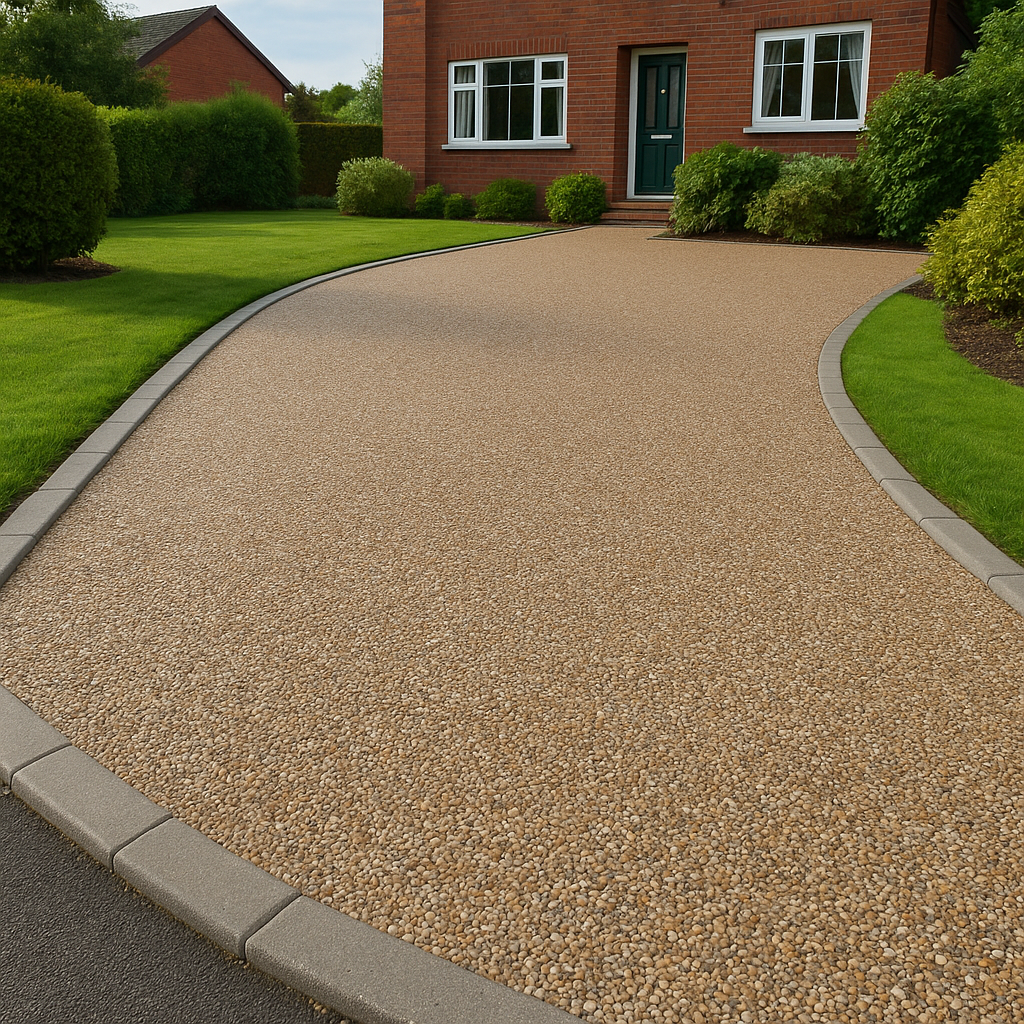
Comprehensive Insights into Resin Driveways in Preston: Practical Guidance for Procurement and Operations
Resin driveways have become a prominent choice in Preston for both residential and commercial applications, offering a blend of durability, aesthetic appeal, and permeability suited to the local environment. For procurement managers, plant engineers, and operations directors, understanding the technical nuances and operational implications of resin-bound and resin-bonded surfaces is essential to making informed decisions. This article delves into the critical aspects of resin driveways in Preston, drawing on real-world experience and industry standards to provide practical guidance tailored to this sector.
Understanding Resin Driveways: Why They Matter in Preston’s Context
In Preston’s climate, characterised by frequent rainfall and variable temperatures, the choice of driveway surfacing significantly impacts both longevity and maintenance requirements. Resin driveways primarily fall into two categories: resin-bound and resin-bonded systems. Both utilise a mixture of aggregates and resin binders but differ fundamentally in composition and application, which affects their suitability depending on site conditions.
Resin-bound surfaces are fully coated aggregates mixed with UV-stable resin before being laid, resulting in a smooth, porous, and durable finish. This permeability is crucial in Preston, where managing surface water runoff aligns with local sustainable drainage (SuDS) policies. Resin-bonded surfaces, by contrast, involve applying resin onto the prepared substrate and then broadcasting loose aggregate over it. While offering a textured finish, these surfaces tend to be less permeable and may require additional drainage considerations.
Operationally, procurement managers must weigh these characteristics against Preston’s soil profiles, predominantly clay-based with poor natural drainage. The substrate’s ability to support a resin driveway without excessive movement or cracking is vital. Compared to traditional paving options like concrete or block paving, resin driveways can reduce installation time and minimise excavation, but they demand rigorous site preparation to avoid premature failure.
In residential settings, the aesthetic flexibility and quicker installation times often drive adoption, while commercial premises benefit from the high durability and lower lifecycle costs. However, buyers frequently overlook the importance of substrate testing and local environmental factors, which can lead to costly remedial works down the line.
Differentiating Resin Driveway Variants and Their Impact on Buyer Decisions
The choice between resin-bound and resin-bonded systems influences not only the visual outcome but also functional performance and compliance considerations. Resin-bound driveways, with their fully coated aggregates, provide a consistent, smooth surface that is highly permeable. This feature supports SuDS compliance and reduces surface water pooling, a significant factor in Preston’s wet climate.
Aggregate selection within these systems varies by size, type, and finish, affecting skid resistance and maintenance cycles. For example, using angular aggregates such as granite or flint with a medium-size grading enhances texture and grip, which is crucial for safety in both residential driveways and commercial loading bays. Conversely, smoother aggregates like quartz may be preferred for aesthetic reasons but can increase cleaning demands and reduce slip resistance.
Resin formulations also differ among suppliers. Some products incorporate UV stabilisers, which prevent yellowing and degradation under Preston’s seasonal sun exposure. Curing times vary between manufacturers, influencing project timelines and equipment scheduling. For instance, fast-curing resins enable rapid project turnover but may require more precise mixing equipment and stricter temperature control during installation.
These technical differences impact equipment procurement as well. For resin-bound applications, mixers capable of consistent, high-shear blending are necessary, while resin-bonded systems may use spray applicators or manual broadcasting techniques. Buyers should consider the availability of specialist machinery in the used equipment market, especially when working on tight schedules or budgets.
Key Technical Criteria to Assess Before Committing to a Resin Driveway Purchase
Successful resin driveway installation in Preston hinges on meticulous preparation and quality control. One common pitfall is inadequate site investigation, which can result in substrate movement or moisture-related failures. It is imperative to conduct thorough soil testing, including percolation rates and load-bearing capacity assessments, before installation.
Substrate preparation must meet rigorous standards to ensure long-term adhesion and durability. This includes proper excavation, compaction, and the installation of suitable sub-base materials. In some cases, stabilising agents or geotextile membranes are necessary to manage the clay-rich soil prevalent in Preston, which can expand and contract seasonally.
Resin and aggregate quality require close scrutiny. Buyers should verify certification against BS EN 1504, which governs surface protection systems for concrete and related substrates, ensuring the materials meet performance and environmental standards. Additionally, checking for compliance with REACH regulations regarding chemical safety is advisable.
Installer expertise plays a decisive role. Calibration of mixing equipment and adherence to specified mixing ratios are critical process controls that affect the final surface integrity. In practice, we have observed projects where incorrect resin-to-aggregate ratios led to surface delamination within months, underscoring the need for experienced operatives and rigorous quality assurance protocols.
Evaluating Total Cost of Ownership for Resin Driveways in Preston
Procurement decisions must extend beyond initial installation costs to consider the total cost of ownership over the driveway’s lifespan. Resin driveways generally offer a favourable balance between upfront investment and maintenance expenses compared to conventional materials. However, regional factors in Preston, such as weather-induced wear and the availability of maintenance services, influence this calculus.
Local case studies demonstrate that residential estates with resin-bound driveways benefit from maintenance intervals of up to 10 years between resurfacing, provided that cleaning and minor repairs are conducted regularly. In commercial settings, high-traffic vehicle depots require more frequent inspection cycles and occasional resin reapplication to maintain skid resistance and surface cohesion.
Spare parts and support for installation equipment, including resin mixers and power floaters, must also be factored in. Brands such as Graco and Wagner dominate the market for resin application machinery; however, lead times for parts can extend procurement schedules. Buyers often underestimate the operational impact of equipment downtime, which can delay project delivery and increase labour costs.
Refurbishment planning is equally important. Resin reapplication involves surface preparation and removal of degraded resin layers, which can incur significant labour costs if not anticipated. This highlights the importance of selecting resin formulations with proven UV resistance and mechanical durability to maximise return on investment in Preston’s specific environmental conditions.
Navigating Compliance and Operational Compatibility in Resin Driveway Projects
Regulatory compliance is a critical consideration in resin driveway procurement. Preston falls under UK planning frameworks that increasingly prioritise sustainable drainage solutions to mitigate flood risks. Resin-bound driveways inherently support permeability requirements under SuDS guidelines, but resin-bonded systems may necessitate supplementary drainage installation to meet these standards.
Compatibility with existing drainage infrastructure is essential, particularly on sites with clay soils prone to waterlogging. Coordination with local authorities and drainage engineers ensures that resin driveway installations do not exacerbate runoff or cause subsurface water issues. In some cases, integrating permeable channels or soakaways alongside the driveway is necessary to maintain site hydrology.
Health and safety protocols require strict adherence during resin handling and installation. Chemical resins contain isocyanates and other reactive compounds that necessitate appropriate personal protective equipment and ventilation measures. Dust control is also critical, especially on urban sites in Preston with proximity to residential properties, to comply with environmental health regulations.
Real-World Procurement Scenarios Illustrating Resin Driveway Challenges and Solutions
One scenario involved a commercial fleet depot in Preston requiring a high-durability resin-bound surface capable of withstanding frequent heavy vehicle traffic and rapid turnaround times. The procurement team specified a medium-sized angular granite aggregate combined with a UV-stabilised resin to meet skid resistance and longevity demands. Site soil testing revealed significant clay content, prompting the inclusion of a geotextile membrane and a reinforced sub-base. The installation was completed within a tight four-week schedule, with equipment sourced from local suppliers experienced in resin-bound systems.
In a residential housing development near Preston city centre, aesthetic uniformity and planning constraints within a conservation area dictated the choice of a resin-bonded finish with natural stone aggregates matching neighbouring properties. Coordination with the local planning authority ensured compliance with visual guidelines. The procurement process included detailed supplier evaluations focusing on past project portfolios and certification of materials. Despite the slower curing time inherent in the resin-bonded system, careful scheduling minimised disruption to residents.
A public car park refurbishment project in Preston presented a budgetary challenge compounded by the need for rapid installation to minimise downtime. The operations director opted for a resin-bound system utilising a fast-curing polyurethane resin. Pre-installation soil compaction tests dictated the use of a high-performance sub-base stabiliser to address uneven substrates. Procurement included contingency plans for equipment rental to accommodate unforeseen delays. The project achieved completion two days ahead of schedule, maintaining operational continuity.
Addressing Common Questions from Procurement and Operations Professionals in Preston
What are the main differences between resin-bound and resin-bonded driveways in terms of installation and maintenance demands?
Resin-bound driveways involve mixing aggregates fully coated with resin before laying, resulting in a smooth, porous surface that allows water permeability and requires less frequent maintenance. Installation demands precise mixing and spreading equipment, with generally longer curing times but superior durability. Resin-bonded driveways apply resin onto the substrate, followed by loose aggregate broadcasting, producing a more textured finish that is less permeable and may require more frequent upkeep to replace dislodged aggregates. Maintenance for bonded surfaces often involves periodic top-up of aggregates and resin touch-ups, whereas bound surfaces primarily need surface cleaning and occasional resealing.
How should site conditions and substrate testing influence my choice of resin system and installation approach?
Site conditions such as soil type, moisture content, and load-bearing capacity are critical determinants of resin system selection. In Preston, clay-rich soils can expand and contract, risking substrate movement that compromises adhesion. Thorough soil testing including percolation and compaction analysis informs whether additional stabilisation measures, such as geotextiles or reinforced sub-bases, are necessary. Resin-bound systems are generally more forgiving with substrate irregularities due to their thickness and flexibility, but both systems require stable foundations. Failure to address these factors can lead to cracking or delamination, increasing long-term costs.
What are typical lifespan expectations for resin driveways in Preston’s climate, and how do maintenance schedules affect this?
Under typical conditions in Preston, well-installed resin-bound driveways can last between 10 to 15 years before requiring significant refurbishment, provided routine cleaning and minor repairs are conducted. Resin-bonded surfaces generally have shorter lifespans, around 7 to 10 years, due to aggregate loss and reduced permeability affecting substrate moisture levels. Maintenance schedules that include regular inspections, surface cleaning to prevent moss and algae buildup, and timely resealing can extend lifespan by several years. Environmental factors such as UV exposure and freeze-thaw cycles also influence degradation rates.
Are there specific local regulations or planning permissions I need to consider before installing a resin driveway in Preston?
Yes, local planning authorities in Preston require compliance with sustainable drainage systems (SuDS) to reduce surface water runoff and flood risks. Resin-bound driveways typically satisfy permeability requirements, but resin-bonded surfaces may necessitate additional drainage solutions. Conservation area restrictions may also affect material choice and colour palettes, especially in historic districts. It is advisable to consult Preston City Council’s planning department early in the procurement process to understand any site-specific constraints and to secure necessary permissions. Health and safety regulations regarding chemical handling during installation must also be observed.
Drawing Together Practical Expertise for Successful Resin Driveway Procurement in Preston
Selecting the appropriate resin driveway system in Preston requires a comprehensive understanding of the local environmental conditions, regulatory framework, and operational demands. The distinctions between resin-bound and resin-bonded systems extend well beyond aesthetics, influencing installation complexity, lifespan, and maintenance regimes. In practice, thorough site evaluation including soil testing and substrate preparation is a non-negotiable component of project success, often overlooked in initial procurement phases.
Value considerations must encompass not only upfront costs but also the total cost of ownership, factoring in equipment availability, refurbishment cycles, and service support. The interplay between resin formulations, aggregate choices, and installation equipment governs performance outcomes and compliance with local SuDS policies and health and safety standards. Real-world procurement scenarios from commercial depots to residential developments illustrate the necessity of tailoring solutions to specific project requirements and constraints.
For those seeking detailed technical guidance and professional installation services tailored to Preston’s unique conditions, the resource available at https://www.resindrivewayspreston.co.uk/resin-driveways/ offers invaluable insights. Engaging with suppliers and contractors who demonstrate adherence to industry standards and possess practical local experience can greatly enhance project outcomes and long-term asset performance.