
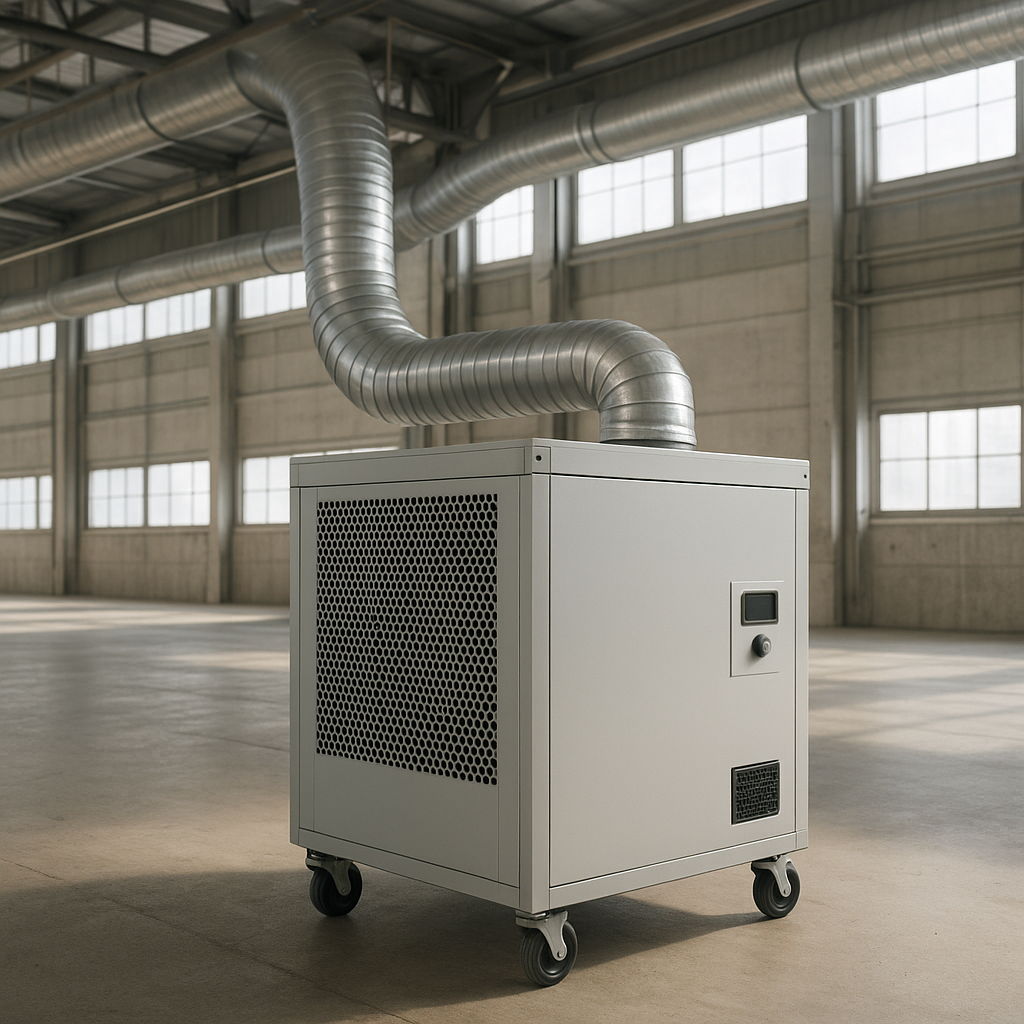
Strategic Considerations for Dehumidifier Hire in Industrial and Commercial Applications
Controlling ambient humidity is a critical factor across numerous industrial and commercial sectors, influencing everything from manufacturing quality to building fabric preservation and workplace safety. For many operations, dehumidifier hire offers a flexible and cost-effective alternative to outright purchase, particularly when the need is project-specific, seasonal, or urgent. This article draws on practical experience and technical insight to explore how procurement professionals and plant engineers can navigate the complexities of dehumidifier rental, ensuring the right equipment choice and operational success.
Understanding the Critical Role of Dehumidifier Hire in Operational Continuity
Humidity control directly impacts product integrity, equipment longevity, and compliance with health and safety standards. For example, in pharmaceutical manufacturing, excess moisture can compromise batch quality, while in heritage building maintenance, uncontrolled humidity accelerates deterioration of materials. Dehumidifier hire is often the preferred solution where temporary or variable demand exists, such as flood remediation projects, seasonal humidity spikes in warehouses, or temporary controlled-environment setups in construction or food processing.
One scenario we encounter regularly involves a logistics centre dealing with condensation issues during the winter months. Rather than investing in costly permanent installations which may be underutilised for much of the year, they opt for dehumidifier hire to manage peak periods. This approach avoids capital expenditure and allows flexible scaling according to operational need.
Unlike purchase, hiring also provides access to a wider range of specialised equipment without tying up budget or storage space. It enables rapid deployment in emergency cases, such as water ingress or flood aftermath, where immediate humidity reduction is essential to prevent mould growth and structural damage.
Decoding the Variants of Dehumidifiers Available for Hire and Their Practical Implications
Dehumidifiers broadly fall into two categories: refrigerant-based (condensate) and desiccant units. Refrigerant dehumidifiers operate by cooling air below its dew point to condense moisture and are typically more energy efficient at moderate temperatures, making them common in warehouses, manufacturing floors, and large commercial spaces. Brands like Munters, Ebac, and Dri-Eaz dominate this segment, offering models ranging from portable units with capacities around 20-30 litres per day to large industrial machines capable of extracting several hundred litres daily.
Desiccant dehumidifiers, by contrast, use moisture-absorbing materials and can operate effectively at lower temperatures and in environments where low dew points are critical, such as electronics assembly or pharmaceutical clean rooms. They tend to have higher energy consumption but provide precise control in challenging conditions. This type is often preferred for controlled-environment projects or where temperature-sensitive goods require humidity control without cooling.
Another important distinction is between portable units and fixed or large-scale industrial dehumidifiers. Portable units offer ease of relocation and are ideal for short-term projects or emergency use. Conversely, large industrial units, often skid-mounted or integrated into HVAC systems, suit continuous or large-area applications. The choice affects fleet composition within rental providers and ultimately influences availability and pricing.
For buyers, understanding how these variants affect the used equipment market and rental fleet composition is vital. Refrigerant units tend to have a larger secondary market and more readily available spare parts, whereas desiccant units, due to their specialised nature, may involve longer lead times for hire and higher maintenance scrutiny.
Key Technical Inspection Criteria to Evaluate Before Committing to Dehumidifier Hire
Selecting the right dehumidifier for hire requires more than matching nominal moisture extraction rates to the space volume. In practice, buyers frequently overlook factors such as actual air changes per hour, ambient temperature, and relative humidity levels, all of which influence dehumidifier performance. For instance, a 100-litre per day dehumidifier might underperform in a poorly ventilated area or where temperature fluctuates significantly.
Electrical compatibility is another critical consideration. Many industrial sites operate on three-phase power, but some portable units may require single-phase supply or specific voltage ratings. A common pitfall is assuming plug-and-play compatibility without verifying site infrastructure, leading to installation delays or the need for costly electrical modifications.
Technical inspection should also include a thorough review of maintenance history and current equipment condition. Checking filter cleanliness, refrigerant charge levels, desiccant integrity, and signs of wear on moving parts can prevent operational disruptions. Noise levels must also be assessed, especially when units are deployed in noise-sensitive environments like office buildings or hospitals.
An often-overlooked aspect is the calibration and reliability of control systems. Some industrial dehumidifiers offer digital humidity sensors and remote monitoring capabilities, which are invaluable for maintaining precise environmental conditions. Ensuring these features are functional and accurate can be decisive for sensitive applications.
Long-Term Value and Total Cost of Ownership: Rental Versus Purchase Considerations
When considering dehumidifier hire, it is essential to factor in total cost of ownership elements even within a rental context. For example, refurbishment quality directly impacts reliability and operational efficiency. Rental fleets maintained to a high standard, with regular servicing and genuine spare parts, reduce the risk of breakdowns that could delay critical projects.
Spare parts availability is another dimension influencing value. Older models, even if cheaper to rent or buy used, might suffer from discontinued components or inefficient energy use. This can increase operational expenditure and environmental impact. For instance, older refrigerant units using R22 refrigerant are not only less energy efficient but also subject to regulatory phase-outs under F-Gas regulations, complicating maintenance and compliance.
Lead times are particularly important during peak demand periods, such as post-flood recovery or seasonal humidity control, when rental equipment availability tightens. Delays in securing suitable dehumidifiers can lead to extended downtime and increased costs. Therefore, securing rental agreements with suppliers who maintain diverse and well-stocked fleets is a strategic advantage.
Energy efficiency differences between older and modern units also affect long-term running costs. Newer models often integrate inverter-driven compressors and advanced controls, offering significant savings over time. While these features may command higher rental rates, the operational cost benefits and reduced environmental footprint often justify the investment.
Navigating Compliance, Safety, and Compatibility Requirements in Dehumidifier Procurement
Dehumidifier procurement must align with relevant standards and regulations. For example, COSHH (Control of Substances Hazardous to Health) guidelines require that indoor air quality is maintained to minimise exposure to mould spores and other airborne contaminants. Selecting equipment with appropriate filtration and humidity control capabilities supports compliance with these health and safety mandates.
Electrical safety is governed by standards such as BS 7671 and directives on portable appliance testing (PAT). Ensuring hired equipment has up-to-date certification and has passed regular inspections is critical to avoid site safety violations.
Compatibility with existing HVAC systems is a frequent challenge, especially in retrofit scenarios. Integrating dehumidifiers without disrupting airflow patterns or causing pressure imbalances requires careful planning and technical coordination. Some projects demand bespoke ducting or controls integration, which may not be standard with rental units.
Environmental considerations have increased in importance, with F-Gas regulations imposing restrictions on certain refrigerants. Choosing rental dehumidifiers that comply with these environmental standards helps future-proof operations and avoids potential penalties. Noise pollution is another factor, particularly in urban or sensitive locations, where equipment might need acoustic enclosures or low-noise design features.
Real-World Procurement Scenarios Illustrating Practical Challenges and Solutions
In one instance, a food processing facility faced recurring mould risks during the summer months on their temperature-controlled packaging lines. They opted for refrigerant dehumidifier hire to maintain optimal humidity levels without disrupting ambient temperatures critical for food safety. The rental approach allowed them to scale capacity seasonally and access the latest energy-efficient units without capital outlay.
Conversely, an electronics manufacturing plant required extremely low dew-point conditions during sensitive assembly stages. Desiccant dehumidifiers were hired to achieve the necessary environment, as refrigerant-based units could not reliably maintain such low moisture levels at the ambient temperatures involved. The procurement team emphasised technical verification of moisture extraction rates and control precision before finalising the rental agreement.
Another common example involves flood recovery in large commercial properties. Rapid deployment of portable dehumidifiers was essential to prevent water damage and business interruption. The procurement challenge was securing sufficient units with appropriate extraction capacity and electrical compatibility within tight timeframes. Engaging a supplier with a comprehensive rental fleet and responsive logistics was crucial to the successful outcome.
Frequently Asked Questions About Dehumidifier Hire in Industrial Contexts
What factors determine whether a desiccant or refrigerant dehumidifier is more appropriate for my application?
The choice depends primarily on the operating temperature and required dew point. Refrigerant dehumidifiers perform efficiently in warmer environments above 15°C and are well suited to general humidity control in warehouses or commercial spaces. Desiccant units excel in cooler conditions and where ultra-low humidity is necessary, such as pharmaceutical clean rooms or electronics manufacturing. Energy consumption and maintenance complexity also differ, so the operational context and budget must be considered carefully.
How can I verify that a hired dehumidifier meets the required moisture extraction and airflow specifications?
It is important to request detailed technical datasheets and, if possible, operational test reports from the rental provider. Specifications should be matched against the actual environmental conditions, including temperature and relative humidity, rather than nominal ratings alone. Site surveys or trial deployments can help validate performance. Additionally, checking that the unit includes calibrated sensors and reliable controls ensures consistent operation aligned with process requirements.
What are the typical rental durations offered, and how flexible are contracts if project timelines shift unexpectedly?
Rental periods often range from a few days to several months, with many suppliers offering flexibility to extend or shorten contracts as project needs evolve. It is advisable to clarify terms regarding notice periods for returns or extensions upfront. Some contracts include provisions for emergency replacements or additional units should conditions change rapidly. This flexibility is a key advantage of hire over purchase, allowing better alignment with fluctuating operational demands.
Are there specialised servicing or technical support provisions included with industrial dehumidifier hire agreements?
Reputable rental agreements typically encompass routine maintenance, including filter cleaning, refrigerant top-up, and performance checks. Some providers offer on-site technical support or rapid response services to minimise downtime. It is important to understand the scope of included servicing and any additional costs for emergency repairs. In complex applications, access to expert advice on installation and operation can be invaluable to ensure optimal system performance.
Bringing Dehumidifier Hire Expertise to Your Operational Strategy
In industrial and commercial environments where precise humidity control is vital, dehumidifier hire offers a flexible and efficient solution that can be tailored to diverse operational challenges. The decision to hire rather than purchase is often driven by project-specific requirements, seasonal demands, or urgent remediation needs, making it essential for procurement managers and plant engineers to understand the nuances of dehumidifier types, technical specifications, and compliance factors. Drawing on extensive experience in fields ranging from food processing to flood recovery, buyers frequently find that a well-informed evaluation of capacity, power compatibility, and equipment condition significantly reduces risks of downtime and cost overruns.
For organisations seeking reliable and technically robust dehumidifier rental options, services like those outlined at DST Dehumidifiers’ dehumidifier rental page provide a comprehensive fleet suited to demanding industrial contexts. By engaging with suppliers who demonstrate transparency on equipment capabilities and support, decision-makers can ensure operational continuity and compliance without the burden of long-term capital investment or maintenance overhead. This strategic approach to humidity control procurement remains an indispensable part of industrial climate management.