
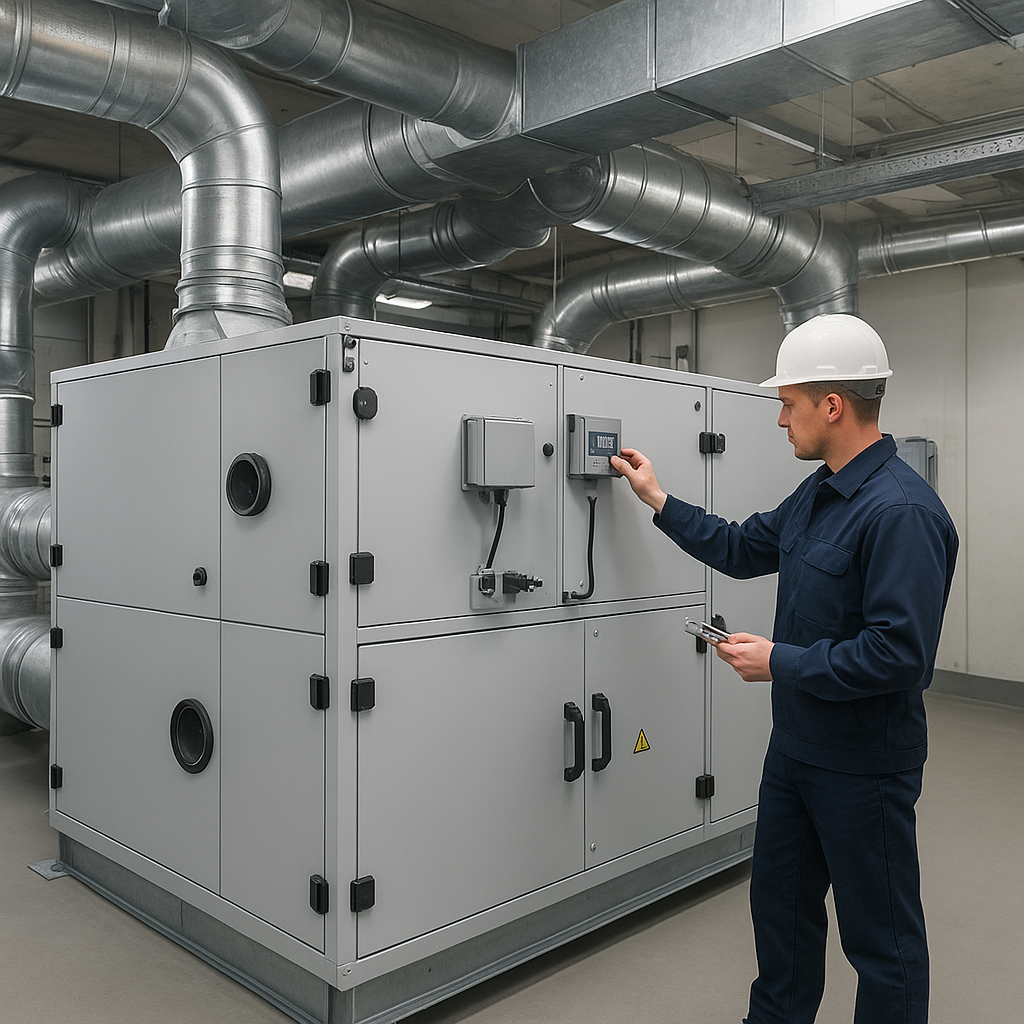
Mastering Air Control Systems: Insights from Industry Experts
Effective air control is a cornerstone of modern building management and industrial process environments. For procurement managers, plant engineers, and operations directors, partnering with genuine air control experts is essential to secure systems that deliver optimal indoor air quality, energy efficiency, and regulatory compliance. The selection, integration, and lifecycle management of air handling and ventilation control systems require specialised knowledge that extends well beyond product brochures or basic specifications. This article explores the technical complexities and practical considerations that define successful air control system procurement, drawing on real-world experience and industry insights.
Understanding the Varied Landscape of Air Control Technologies and How They Shape Buyer Decisions
The diverse range of air handling and control systems available today means that buyers must carefully evaluate the operational context before committing to a purchase. One fundamental distinction is between centralised and decentralised air handling units (AHUs). Centralised systems typically serve large buildings or complexes, distributing conditioned air through ductwork to multiple zones. These systems offer economies of scale and more unified control but require substantial upfront design and installation effort. Decentralised units, by contrast, serve individual rooms or areas independently, offering flexibility and modularity but sometimes at the cost of higher per-unit maintenance and less integrated control.
In practice, buyers frequently overlook the implications of this choice on maintenance regimes and system scalability. For example, a commercial office block with phased occupancy growth may benefit from decentralised units that can be added incrementally. In contrast, a hospital or data centre with stringent air purity and pressure control requirements will usually depend on centralised AHUs with sophisticated filtration and humidity management capabilities.
Beyond the physical layout, the type of control system embedded within the air handling equipment significantly influences operational efficiency and future-proofing. Pneumatic controls, once industry standard, are largely being phased out due to their limited precision and difficulty integrating with modern Building Management Systems (BMS). Analogue electronic controls remain in use in some legacy installations but lack the diagnostic and remote monitoring capabilities expected today.
Modern air handling solutions increasingly feature fully digital or IoT-enabled control systems that allow real-time data acquisition, remote adjustments, and predictive maintenance. Buyers must weigh the benefits of these advanced controls against potential challenges such as cybersecurity risks and the need for staff training. Modular air handling units with plug-and-play digital controls offer advantages in retrofit scenarios, reducing downtime and simplifying commissioning.
Key Technical Criteria to Evaluate Before Committing to an Air Handling System Purchase
When evaluating air handling systems, several technical parameters must be scrutinised closely to avoid costly mismatches or operational inefficiencies. Airflow capacity is paramount; the system must deliver the specified cubic metres per hour (m³/h) while maintaining acceptable static pressure. Buyers frequently underestimate the impact of pressure drops caused by filters, dampers, and ductwork design, which can reduce effective airflow and increase fan energy consumption.
Filtration standards are another critical consideration. Depending on the application—be it pharmaceutical manufacturing, food processing, or office environments—filters must meet relevant classes such as ISO 16890 or EN 779 to ensure particulate and microbial control. Air control experts will assess the filtration hierarchy, ensuring pre-filters, fine filters, and HEPA stages are appropriately specified and that maintenance access is viable.
Control system responsiveness and integration capabilities are often decisive. The ability of the AHU controls to interface seamlessly with existing BMS platforms via standard protocols such as BACnet or Modbus is essential for centralised monitoring and optimisation. Diagnostics functions, including fault detection and energy consumption tracking, support proactive maintenance and reduce unplanned downtime.
Build quality and maintainability must not be overlooked. Buyers should verify construction materials, corrosion resistance, and ease of access to components such as fans, coils, and filters. Environmental factors like ambient temperature, humidity, and potential chemical exposure at the installation site must also be factored in to prevent premature equipment failure.
Balancing Initial Investment and Long-Term Value: Total Cost of Ownership Considerations
Procurement decisions in air handling often focus on initial capital expenditure, but true value emerges when total cost of ownership (TCO) is fully considered. One scenario we encounter regularly involves evaluating whether to replace ageing equipment outright or to invest in refurbishment. Refurbishment can be cost-effective for units with sound structural integrity and readily available spare parts, but risks prolonging inefficiencies if core components like fans or control systems are obsolete.
Spare parts availability is a practical concern that can influence downtime risk and maintenance costs. Legacy systems from manufacturers such as Trane or Carrier may face extended lead times or require expensive custom parts, whereas contemporary modular units benefit from standardised components and broader supplier networks.
Energy efficiency is a key driver of lifecycle value. Modern AHUs with electronically commutated (EC) fans, variable frequency drives (VFDs), and optimised coil designs can reduce operational costs substantially compared to older models. The energy savings often offset higher acquisition costs within a few years, particularly where systems operate continuously or in energy-intensive sectors like pharmaceuticals or data centres.
Navigating Compliance and Ensuring Seamless Integration Within Regulatory Frameworks
Air handling systems must comply with a range of UK and international standards to ensure safety, environmental responsibility, and occupant wellbeing. BS EN 13779 provides guidelines for ventilation in non-residential buildings, addressing indoor air quality, thermal comfort, and energy efficiency. Compliance with F-Gas regulations is also critical where refrigerants are involved, mandating the use of low global warming potential (GWP) alternatives and leak monitoring.
Certification schemes such as Eurovent or AHRI offer buyers independent verification of system performance claims, including airflow, efficiency, and sound levels. While not mandatory, such certifications reduce procurement risk and facilitate benchmarking between vendors.
Compatibility with existing ventilation infrastructure and control platforms is often a hidden challenge. For example, integrating a new digital control unit into a building with legacy BMS software may require middleware or custom interfaces, adding complexity and cost. Early-stage technical due diligence by air control experts can identify these issues before procurement, avoiding later project delays.
Practical Procurement Scenarios Illustrating Real-World Challenges and Outcomes
In a recent project within a large-scale food processing plant in the East Midlands, an upgrade from outdated pneumatic controls to digital air handling units was undertaken to improve air quality and traceability. The facility faced strict hygiene standards and needed precise control over airflow to prevent cross-contamination. The procurement team chose modular AHUs with IoT-enabled controls, allowing real-time monitoring of filter status and humidity levels. This transition reduced energy consumption by 15 percent and improved compliance reporting efficiency.
Another example comes from a commercial office complex in London aiming to meet aggressive energy reduction targets imposed by its landlord. The chosen solution involved modular air handling systems featuring advanced variable air volume (VAV) controls. The system was integrated with the existing BMS through BACnet, enabling dynamic adjustment based on occupancy patterns detected by sensors. This approach allowed the client to balance occupant comfort with energy savings, achieving a 20 percent reduction in HVAC-related emissions over two years.
A pharmaceutical manufacturing facility in the North West required retrofitting ventilation to comply with updated Good Manufacturing Practice (GMP) standards. Precise humidity and particulate control were vital, alongside strict documentation for regulatory audits. The procurement process focused on bespoke AHUs with multi-stage filtration, humidity control coils, and fully programmable digital controls with audit trail capabilities. Despite longer lead times, the tailored solution ensured seamless regulatory compliance and operational reliability.
Addressing Common Queries from Procurement Managers and Technical Stakeholders
How do air control experts assess system scalability for future building modifications or expansions?
Scalability assessment involves evaluating both the physical capacity of AHUs and the flexibility of control systems. Experts examine whether units can accommodate additional modules or increased airflow without major redesign. Controls should support easy integration of new sensors or zones. In practice, this means selecting modular systems that allow phased expansion and ensuring communication protocols are open and standardised to avoid vendor lock-in.
What are the indicators of control system obsolescence that should prompt replacement rather than repair?
Key indicators include lack of vendor support, unavailability of spare parts, and incompatibility with modern BMS platforms. If diagnostic functions are minimal or non-existent, the risk of undetected faults increases. Additionally, outdated control systems often cannot meet current energy efficiency or emissions targets. When repair costs approach or exceed 50 percent of new system price, replacement is usually more cost-effective.
How can buyers effectively verify vendor claims on energy efficiency and emission reductions?
Verification requires requesting independent test reports or certification from recognised bodies such as Eurovent or AHRI. Site references and case studies with measured performance data provide further assurance. It is prudent to conduct on-site inspections and demand pilot installations or trials where feasible. Including performance guarantees in contracts can also align vendor incentives with buyer expectations.
What practical steps ensure smooth commissioning and post-installation support from air control system providers?
Clear communication of project timelines, detailed site surveys, and collaborative planning between supplier and site teams are critical. Comprehensive training for operating and maintenance staff reduces operational errors. Providers should offer remote monitoring services and rapid response teams for fault resolution. Documented commissioning procedures and thorough handover reports support long-term system reliability.
Bringing Expertise to the Forefront: Why Choosing the Right Air Control Partner Matters
Selecting an air handling system is a nuanced decision that hinges on deep technical understanding, thorough evaluation, and strategic foresight. Buyers frequently overlook the importance of aligning system type with operational context, which can cause costly inefficiencies or compliance risks in practice. The distinctions between centralised and decentralised units, alongside the evolution of control technologies from pneumatic to fully digital solutions, illustrate how critical it is to engage with air control experts who bring real-world experience to the procurement process.
Across sectors ranging from food manufacturing to commercial real estate, these experts help navigate complex technical criteria such as airflow capacity, filtration standards, and system integration requirements. They also guide clients through the total cost of ownership landscape, balancing upfront investment against factors like spare parts availability, energy efficiency, and maintenance costs. Compliance with regulatory frameworks and certifications further underscores the need for specialised knowledge when selecting and installing air handling equipment.
For professionals responsible for plant operations and procurement, resources like those offered by Konvekta provide valuable insights and solutions tailored to demanding environments. Their expertise in air control systems reflects a commitment to both innovation and practical service, ensuring that technical sophistication aligns with operational realities. More detailed information about their product range and expert services can be found at https://www.konvekta.co.uk/, offering a useful reference point for buyers seeking informed guidance in this critical field.