
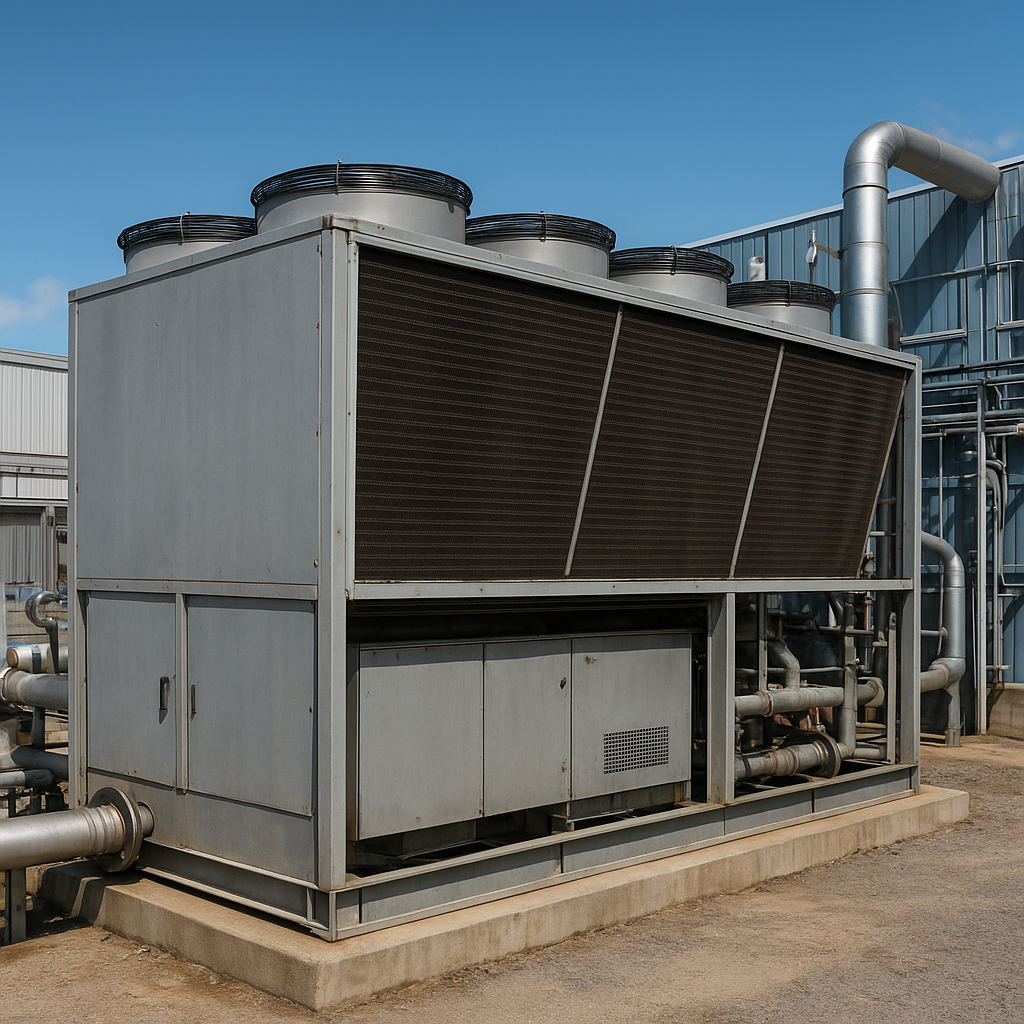
Expert Insights into Industrial Chiller Hire: Navigating Choices and Challenges with Penmann
Why Hiring Industrial Chillers Is a Strategic Operational Decision
For many industrial operations, the decision to hire an industrial chiller is far more than a simple rental transaction. It is a strategic move that addresses critical operational imperatives such as managing peak cooling loads, accommodating seasonal demand fluctuations, or responding swiftly to unforeseen equipment failures. In practice, these scenarios often arise in manufacturing environments where continuous process cooling is essential but capital investment cycles or project timelines make outright chiller purchase impractical.
One common scenario encountered in sectors like food processing or chemical manufacturing is the need for temporary capacity during maintenance shutdowns or plant expansions. Rather than committing to a new chiller purchase that may be underutilised outside these periods, hiring offers flexibility and risk mitigation. This approach enables operators to maintain production continuity without the burden of capital expenditure or long-term asset management.
Moreover, industrial chiller hire supports project-based requirements where short-term cooling solutions are needed to meet contract deadlines or pilot plant operations. The ability to deploy a reliable chiller quickly can prevent costly downtime and safeguard product quality, especially in temperature-sensitive processes. Consequently, procurement managers and plant engineers view hiring not merely as a stopgap but as a tactical option within their cooling strategy.
Understanding Industrial Chiller Variants and Their Impact on Procurement
Industrial chillers are not a one-size-fits-all category, and understanding the variants available in the hire market is crucial for matching equipment to operational needs. The primary types encountered in hire fleets include water-cooled, air-cooled, and evaporative chillers, each with distinct performance characteristics and site compatibility considerations.
Water-cooled chillers typically offer higher efficiency and are favoured in large-scale installations where access to cooling towers or chilled water loops exists. However, their footprint, water consumption, and the need for additional infrastructure can limit their suitability for rapid deployment or temporary hire. Air-cooled chillers, by contrast, are more self-contained, requiring only electrical power and space for airflow. This makes them popular for portable hire solutions and sites where water availability or discharge is restricted.
Evaporative chillers occupy a middle ground, offering enhanced efficiency through evaporative cooling but with higher water usage and some operational complexity related to water treatment. Their use in hire fleets tends to be specialised, often supporting sectors with seasonal or peak cooling spikes such as petrochemicals or power generation.
When selecting a hire chiller, capacity range and modularity are significant factors. Hire fleets commonly include portable units from around 50 kW up to several hundred kilowatts, with skid-mounted modular chillers enabling flexible capacity scaling. This modularity is particularly important in industries like pharmaceuticals, where phased expansions require incremental cooling additions without overinvestment.
Compressor technology also influences chiller suitability. Centrifugal compressors dominate high-capacity applications due to their efficiency at scale, while screw compressors offer reliability and moderate efficiency for mid-sized loads. Scroll compressors, often found in smaller portable units, are valued for their compactness and lower maintenance but may not meet the demands of continuous heavy-duty process cooling.
Key Technical Criteria to Evaluate Before Committing to Hire
Procurement teams frequently overlook critical technical inspection points when sourcing industrial chillers for hire, sometimes resulting in operational challenges. A thorough technical evaluation begins with verifying the integrity of the refrigeration circuit. This includes checking for leaks, compressor wear, and the condition of heat exchangers. For example, a food processing plant that hired an air-cooled chiller found after deployment that condenser fouling reduced cooling capacity, compromising product safety.
Control system sophistication is another essential criterion. Modern chillers often feature advanced PLC-based controllers with remote monitoring capabilities, allowing integration with existing plant automation systems. Compatibility here can significantly affect operational efficiency and fault response times. Older hire units with basic control panels may require manual intervention, increasing the risk of downtime.
Power supply requirements must be carefully assessed, particularly for sites with limitations on voltage or available phases. Additionally, the choice of refrigerant plays a pivotal role due to evolving environmental regulations. Buyers should confirm that the hire chiller uses compliant refrigerants, such as R449A or R513A, rather than phased-out high-GWP types like R404A, to avoid regulatory complications.
Noise emissions are also often a site-specific constraint. Urban or residential-adjacent industrial sites may require chillers with low noise ratings or additional acoustic enclosures, which should be clarified during procurement. In practice, this consideration can dictate whether an air-cooled or water-cooled chiller is more suitable for hire.
Long-Term Value and Total Cost Considerations in Hiring Industrial Chillers
While hiring is generally viewed as a short-term solution, total cost of ownership (TCO) considerations remain relevant. The refurbishment status and maintenance history of hire chillers have a direct impact on reliability and operational efficiency. Older units that have undergone comprehensive refurbishment can offer cost-effective performance, but this depends on the quality of parts replacement and testing protocols employed by the hire provider.
Spare parts availability is a critical factor, especially for compressors and electronic controls that can be prone to failure. Delays in sourcing components often translate into extended downtime, which in process-critical environments leads to significant financial losses. Therefore, procurement managers should inquire about the provider’s aftercare support and whether onsite maintenance services are included or available.
Energy efficiency is another dimension of value. Inverter-driven chillers, increasingly common in modern hire fleets, adjust compressor speed to match load requirements, reducing energy consumption during partial load operation. Conversely, older fixed-speed units may incur higher running costs despite lower upfront hire fees. For example, a beverage manufacturer switching from an older fixed-speed hire chiller to a modern inverter-driven unit observed a 15% reduction in energy costs during a three-month hire period.
Navigating Compliance and Compatibility in Industrial Chiller Hire
Compliance with safety and environmental standards is paramount when hiring industrial chillers. BS EN 378 sets out requirements for refrigeration systems concerning design, construction, and operation, with emphasis on safety and environmental protection. Buyers should ensure that hire equipment meets these standards, including pressure vessel certifications and leak detection provisions.
Refrigerant regulations under the F-Gas framework impose ongoing phase-outs of high-global warming potential substances. This affects the hire market composition, as providers must progressively update their fleets to comply. Using chillers with outdated refrigerants can expose operators to regulatory penalties and complicate site permitting.
Site compatibility extends beyond technical specifications to practical constraints such as footprint and water usage. Water-cooled chillers require significant water supply and treatment arrangements, which may not be feasible in all locations. Air-cooled units, while more straightforward, demand adequate airflow and space clearance. Noise restrictions may necessitate acoustic screening or the selection of quieter technologies. These factors should be evaluated in consultation with site engineers to ensure smooth integration.
Real-World Procurement Scenarios Illustrating Industrial Chiller Hire Challenges
One illustrative case involved a UK food processing plant experiencing sudden failure of its primary chiller during peak production. The plant urgently required a 300 kW air-cooled unit to maintain product safety and throughput. The hire provider delivered a portable chiller within 48 hours, with onsite commissioning support. This rapid response averted potential spoilage losses estimated at £100,000, demonstrating the critical role of industrial chiller hire in emergency contingencies.
In another example, a pharmaceutical manufacturer undertaking a phased cleanroom expansion opted for modular screw compressor chillers on hire. This approach allowed capacity to be scaled in line with project milestones, maintaining strict hygiene standards and ensuring reliability. The modular units featured advanced control systems compatible with the site’s building management system, enabling seamless integration and remote monitoring.
A petrochemical facility managing seasonal cooling demand spikes utilised evaporative chillers on short-term hire. The operation carefully evaluated water quality and corrosion risks before deployment, implementing rigorous water treatment protocols to protect heat exchangers and piping. This scenario highlights the importance of aligning chiller type selection with process and environmental factors to safeguard equipment longevity.
Common Questions from Procurement and Engineering Teams on Industrial Chiller Hire
What lead times are typical when arranging industrial chiller hire, and how does availability vary across chiller types and sizes?
Lead times for industrial chiller hire depend on the provider’s fleet size, geographic location, and the specific chiller type and capacity required. Air-cooled chillers in the 100–500 kW range tend to have shorter lead times due to their portability and commonality in hire fleets. Water-cooled or specialised evaporative chillers may require longer lead times for mobilisation, particularly if site-specific modifications or commissioning services are needed. Buyers should also consider seasonal demand spikes, which can affect availability and scheduling.
How can we verify that a hired chiller’s performance matches our process cooling specifications without onsite trial?
Performance verification typically involves reviewing manufacturer data sheets, recent test certificates, and operational logs from the hire provider. In practice, providers with robust quality assurance will offer commissioning reports and factory acceptance test documentation demonstrating compliance with specified cooling capacities and temperature stability. Additionally, remote monitoring and control systems can provide real-time performance data during the hire period, enabling early detection of deviations from expected parameters.
What are the implications of refrigerant choice in hire chillers regarding environmental compliance and potential site restrictions?
Refrigerant selection affects regulatory compliance, environmental impact, and sometimes site permitting. High-GWP refrigerants such as R404A are being phased out under F-Gas regulations, and their use is increasingly restricted in new or replacement equipment. Hire chillers equipped with low-GWP refrigerants like R513A or natural alternatives such as ammonia (in specialised applications) reduce regulatory risk and may ease permitting processes. Sites with stringent environmental policies or located in urban areas often require chillers with compliant refrigerants to minimise greenhouse gas emissions and avoid penalties.
How is maintenance handled during the hire period, and what responsibilities fall to the hirer versus the provider?
Maintenance responsibilities vary by hire agreement but typically, the provider manages routine servicing, fault diagnosis, and repairs as part of the contract. This arrangement ensures that the chiller remains in optimal condition, minimising downtime risks. The hirer is generally responsible for daily operational checks, ensuring correct usage, and notifying the provider promptly of any issues. Clear communication channels and defined service level agreements are essential to prevent misunderstandings and ensure rapid response to faults.
Drawing Practical Conclusions and Next Steps for Reliable Industrial Chiller Hire
Industrial chiller hire represents a nuanced procurement decision that extends well beyond cost considerations. Selecting the right hire solution demands detailed technical knowledge, including an understanding of chiller types, compressor technologies, and site-specific constraints. A well-chosen hire chiller can bridge production gaps, facilitate capital avoidance, and provide operational flexibility, especially for industries facing variable load profiles or project-driven cooling demands.
However, buyers frequently overlook critical inspection points such as control system compatibility, refrigerant compliance, and noise emissions, which can lead to costly downtime or regulatory complications. The total cost of ownership during hire involves more than headline rental rates; factors like efficiency, reliability, refurbishment quality, and aftercare support play decisive roles in the overall value delivered.
For organisations requiring dependable industrial chiller hire tailored to complex operational demands, comprehensive guidance and access to a diverse hire fleet are invaluable. Penmann offers a robust platform that addresses these multifaceted requirements across sectors from food and beverage to pharmaceuticals and petrochemicals. Their detailed offering, available at https://www.penmann.co.uk/hire/industrial-chiller-hire/, supports procurement managers and plant engineers in making informed decisions that balance technical rigour with practical operational realities.