
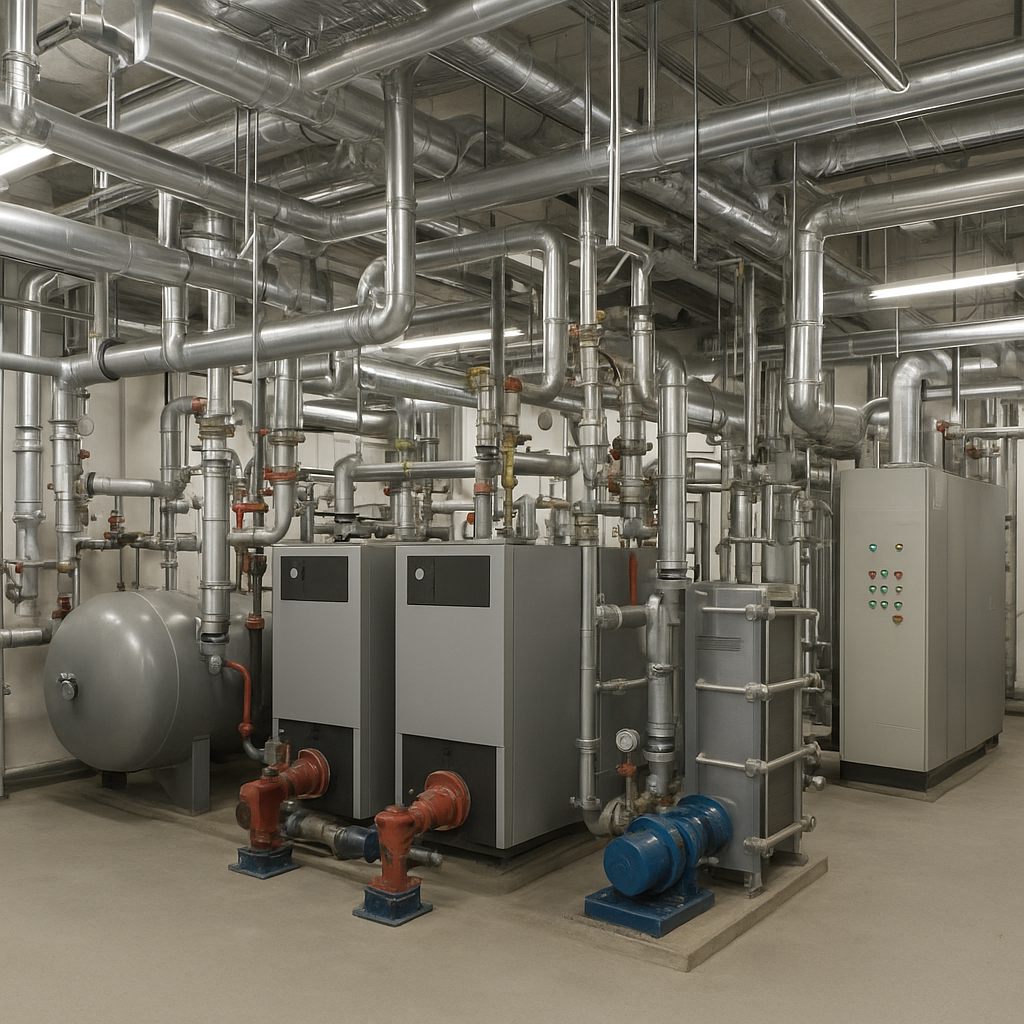
Comprehensive Insights into Mechanical Building Services for Effective Facility Management
Mechanical building services form the backbone of modern building operations, playing a pivotal role in ensuring occupant comfort, energy efficiency, and regulatory compliance. For procurement managers, plant engineers, and operations directors, understanding the technical nuances and practical considerations of mechanical systems is essential when managing existing infrastructure or planning new installations. This article delves into the complexities of mechanical building services, drawing on industry experience and real-world scenarios to guide informed decision-making. In particular, it examines how organisations like James Mercer Group deliver tailored mechanical building services solutions, supporting buyers in navigating this multifaceted sector.
Understanding the Critical Role of Mechanical Building Services in Modern Facilities
At its core, mechanical building services encompass the heating, ventilation, air conditioning (HVAC), plumbing, fire suppression, and specialist mechanical installations that maintain a building’s operational integrity. These systems directly influence the internal environment, impacting occupant health, safety, and productivity. For example, in healthcare settings, precise HVAC control is crucial to maintain infection control standards and air quality, while in commercial offices, energy-efficient heating and cooling systems contribute significantly to operational cost savings.
The procurement of mechanical building services is therefore not merely a technical exercise but a strategic decision. Selecting appropriate equipment affects building performance metrics such as thermal comfort, airflow rates, and humidity control. Moreover, the complexity of integrating these systems varies with the building type. A university campus might require modular mechanical plantrooms to accommodate phased refurbishments, whereas an industrial facility may prioritise robust, heavy-duty pumps capable of continuous operation under demanding conditions.
Operational reliability is another key factor. Mechanical systems often run continuously and are subject to wear, corrosion, or obsolescence. Procurement decisions that overlook these factors can lead to costly downtime or inefficient performance. Consequently, building owners and facility managers must approach mechanical building services with a comprehensive understanding of both the immediate and lifecycle impacts of their choices.
Differentiating Key Types of Mechanical Building Services and Their Influence on Procurement
Mechanical building services can be broadly categorised into HVAC systems, plumbing installations, fire suppression equipment, and specialist mechanical plant. Each category contains multiple variants, influencing procurement strategies and equipment sourcing.
HVAC systems, for instance, may include conventional air handling units (AHUs), variable refrigerant flow (VRF) systems, or chilled beam installations. AHUs, often custom-engineered, provide centralised air treatment and can be refurbished or replaced depending on system age and complexity. VRF systems, popular in commercial and education sectors, offer modularity and energy efficiency but may require sourcing from specific manufacturers such as Daikin or Mitsubishi, limiting flexibility in parts procurement.
Plumbing systems range from basic water supply and drainage to high-specification installations such as rainwater harvesting or greywater recycling systems. Fire suppression services include sprinkler systems, gas suppression units, and hydrant installations, each demanding compliance with rigorous regulatory standards and precise engineering.
The operational context heavily influences procurement decisions. For example, an industrial plant may require heavy-duty centrifugal pumps with mechanical seals rated for chemical resistance, sourced from manufacturers like Grundfos or KSB. In contrast, a university refurbishment project might prioritise modular, plug-and-play mechanical plantrooms that minimise site disruption. Such choices determine whether a buyer opts for new equipment, refurbished units, or bespoke engineered solutions.
Essential Technical Considerations When Evaluating Mechanical Systems Before Purchase
Technical evaluation is critical before committing to any mechanical building services purchase. Buyers frequently overlook the importance of verifying system design conformity and integration capability, which can lead to costly incompatibilities or performance issues post-installation.
One essential criterion is ensuring that equipment meets the relevant British Standards (BS EN) and aligns with Chartered Institution of Building Services Engineers (CIBSE) guidelines. For example, chilled water systems must demonstrate compliance with flow rate and pressure drop specifications to ensure efficient heat exchange. Verification of material specifications is also crucial, particularly in plumbing where corrosion resistance and pipework compatibility impact system longevity.
Control system compatibility is another vital factor. Modern mechanical services increasingly rely on Building Management Systems (BMS) for centralised monitoring and control. Equipment must feature compatible communication protocols such as BACnet or Modbus, or risk operational inefficiencies and increased maintenance complexity.
Performance metrics like flow rates, pressure drops, and temperature differentials should be rigorously evaluated. For example, in a recent procurement for a mid-sized NHS Trust, the buyer insisted on detailed manufacturer testing documentation confirming AHU performance under full load conditions, helping to avoid underperforming units that could compromise infection control airflows.
Finally, certification and testing documentation should be demanded to verify compliance and reliability. Factory acceptance tests (FAT) and site acceptance tests (SAT) records offer tangible evidence of equipment readiness and quality assurance.
Assessing Total Cost of Ownership: Beyond Initial Capital Outlay
While initial purchase price often dominates procurement discussions, total cost of ownership (TCO) provides a more holistic evaluation. Energy efficiency, maintenance requirements, spare parts availability, and system lifespan all significantly impact the long-term financial and operational viability of mechanical building services.
Energy consumption is a major factor. Older equipment, while potentially cheaper upfront, often suffers from reduced efficiency, leading to higher operational costs. However, in some cases, robustly built older pumps or chillers retain value due to their ease of maintenance and availability of aftermarket spare parts. For example, in a commercial office fit-out with tight deadlines, sourcing refurbished Grundfos pumps with proven reliability and readily available seals and bearings offered a cost-effective and low-risk solution compared to long lead times for new bespoke units.
Maintenance cycles and downtime risks must also be factored in. Systems with complex or proprietary components may incur higher maintenance costs or extended repair lead times. In contrast, modular mechanical plantrooms designed for easy access and component replacement can reduce downtime and associated costs.
Refurbishment versus new procurement decisions hinge on these TCO considerations. Refurbishment can extend equipment life and reduce capital expenditure but may introduce hidden costs if documentation is incomplete or parts are obsolete. Conversely, new equipment may demand longer lead times and higher initial investment but often delivers improved efficiency and compliance with current standards.
Navigating Compliance and Compatibility in Mechanical Building Services Procurement
Compliance with regulatory frameworks is non-negotiable in mechanical building services procurement. The Health and Safety Executive (HSE) regulations mandate safe operation and maintenance of mechanical plant, while environmental legislation increasingly influences equipment selection, particularly regarding energy efficiency and emissions.
Procurement teams must ensure that all mechanical services adhere to Building Regulations Part L, which governs the conservation of fuel and power. Compliance not only avoids enforcement penalties but also supports broader sustainability targets.
Compatibility checks are essential when retrofitting or upgrading existing installations. For example, integrating new air handling units into an older HVAC system requires verifying ductwork dimensions, electrical supply ratings, and control system interfaces. Failure to properly assess compatibility can result in costly site modifications or system underperformance.
Commissioning and handover documentation is another critical compliance area. Procurement managers should require comprehensive operation and maintenance manuals, test certificates, and commissioning records. These documents provide assurance that the equipment meets design intent and facilitates more straightforward future maintenance.
Real-World Scenarios Highlighting Procurement Challenges and Solutions in Different Sectors
A mid-sized NHS Trust recently faced the challenge of replacing aged HVAC chillers that no longer met infection control airflow standards or energy efficiency targets. The procurement team balanced the urgency of maintaining patient safety with sustainability goals by selecting modular chillers from a reputable manufacturer, alongside refurbished air handling units. This hybrid approach reduced lead times and capital outlay while ensuring compliance with HTM 03-01 standards.
In the education sector, a university undertaking a campus-wide refurbishment opted for modular mechanical plantrooms. This decision minimised disruption to ongoing teaching activities and allowed phased installation. The procurement process emphasised vendor experience with modular systems and the ability to deliver bespoke solutions that integrated seamlessly with existing infrastructure.
A commercial office fit-out project with tight deadlines required sourcing reliable refurbished pumps and air handling units. The procurement team leveraged supplier relationships to secure equipment with full testing documentation and warranties. Due diligence included on-site inspections and verification of control system compatibility, ensuring smooth integration into the building management system.
Addressing Common Questions in Mechanical Building Services Procurement
What are the key risks of choosing refurbished mechanical equipment without proper technical evaluation?
Refurbished mechanical equipment can offer cost savings and reduced lead times, but without thorough technical evaluation, buyers risk acquiring units with hidden defects, inadequate performance, or limited remaining lifespan. A common pitfall is failing to verify refurbishment quality, manufacturer certifications, or compatibility with existing systems. This oversight can lead to increased downtime, higher maintenance costs, and ultimately a poor return on investment.
How do energy efficiency regulations influence the selection of mechanical services in retrofit projects?
Energy efficiency regulations, such as Building Regulations Part L, significantly shape retrofit procurement. They require that any replacement or upgraded equipment meets minimum efficiency standards, which may exclude older technology. Buyers must consider not only equipment efficiency ratings but also system-wide impacts, such as control strategies and heat recovery options. Compliance ensures reduced operational costs and alignment with corporate sustainability commitments.
What documentation should be demanded from suppliers to ensure compliance and operational reliability?
Procurement managers should request comprehensive documentation including manufacturer test certificates, compliance declarations, commissioning records, and operation and maintenance manuals. Factory acceptance tests and site acceptance tests provide evidence that equipment meets performance specifications. Additionally, warranties and service agreements help safeguard against future operational issues.
How can procurement managers anticipate future maintenance challenges when selecting mechanical systems?
Anticipating maintenance challenges involves assessing equipment accessibility, availability of spare parts, and supplier support networks. Selecting systems with standardised components from established manufacturers reduces the risk of obsolescence. Reviewing maintenance history of similar equipment and consulting with operations teams can provide valuable insights. Incorporating modular designs also facilitates easier repairs and upgrades.
Bringing Expertise to Mechanical Building Services Procurement with James Mercer Group
Managing mechanical building services procurement demands a sophisticated understanding of technical specifications, operational contexts, and regulatory frameworks. The intricate balance between upfront costs, long-term operational efficiency, and compliance challenges requires expert guidance to navigate successfully. Organisations benefit from partnering with specialists who combine detailed sector knowledge with practical procurement experience to deliver solutions tailored to complex building environments.
James Mercer Group exemplifies this integrated approach, offering mechanical building services that address the nuanced requirements of diverse sectors. Their capability to source, refurbish, and supply mechanical equipment aligns with the demands of facility managers and procurement professionals seeking reliable, compliant, and efficient mechanical systems. For those exploring detailed options and practical solutions, reviewing the mechanical building services offered by James Mercer Group provides valuable insight into how expert support can enhance mechanical services procurement and operational outcomes.