
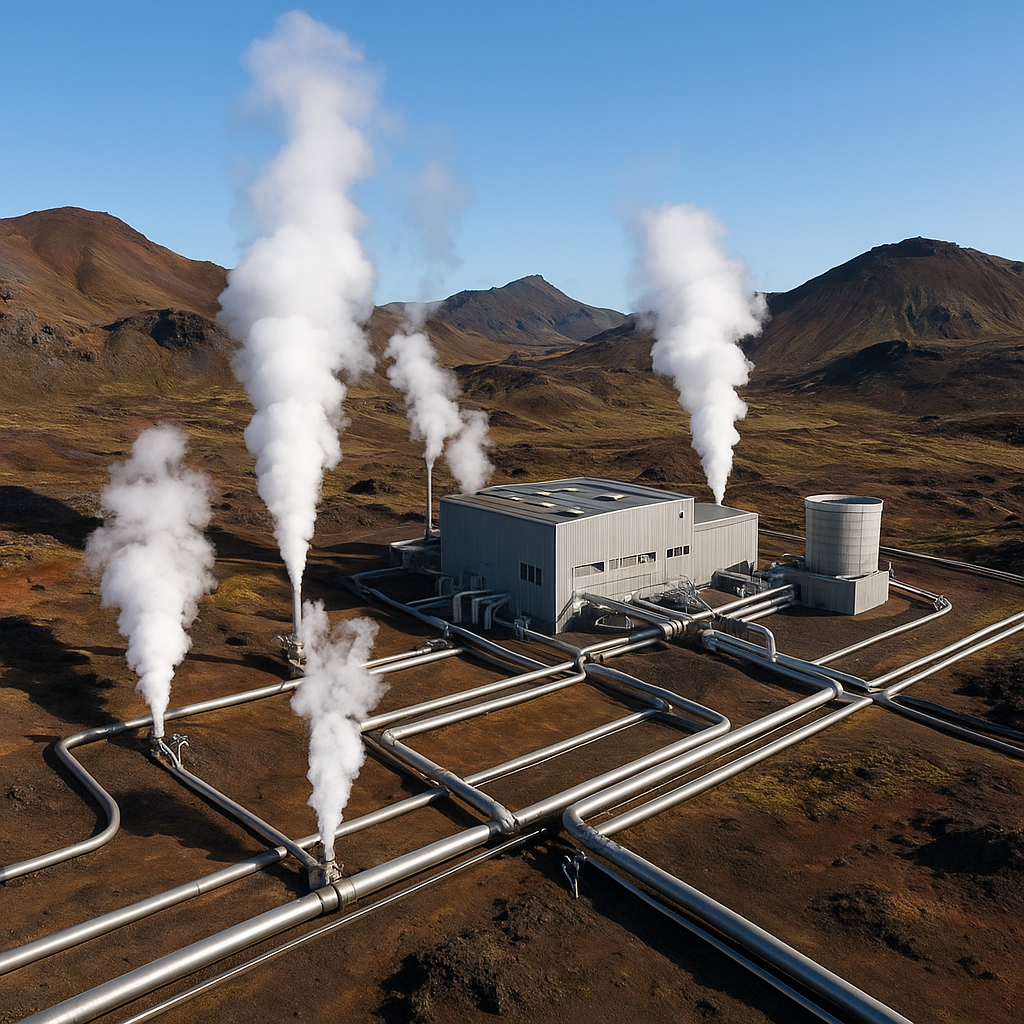
Partnering with a Geothermal Development Company: Navigating Technical and Operational Complexity in Renewable Energy
In the evolving landscape of renewable energy, geothermal power presents a reliable and sustainable option for many regions worldwide. However, the successful realisation of geothermal projects hinges critically on selecting the right geothermal development company. This choice goes far beyond a simple supplier relationship; it involves engaging a partner with deep technical expertise, practical experience in complex subsurface operations, and a nuanced understanding of equipment procurement and lifecycle management specific to geothermal energy. For procurement managers, plant engineers, and operations directors, appreciating the multifaceted role of a geothermal development company is essential to securing project viability and long-term operational success.
The Strategic Importance of Partnering with a Dedicated Geothermal Development Company
Geothermal energy projects are inherently complex, involving a unique set of operational and procurement challenges that differ significantly from other renewable technologies like solar or wind. The selection of a specialised geothermal development company influences not only the initial project design and equipment selection but also ongoing reservoir management and plant optimisation.
In practice, buyers frequently overlook the critical importance of subsurface expertise when engaging a developer. Geothermal reservoirs require careful assessment through advanced geological and geophysical techniques to ensure sustainability and avoid premature resource depletion. A competent geothermal development company brings proprietary or proven methods for reservoir characterisation, such as 3D seismic imaging and well logging, which are indispensable in reducing exploration risk and guiding drilling operations.
Furthermore, these companies play a pivotal role in navigating the evolving regulatory landscape. Geothermal projects must comply with rigorous environmental standards, including emissions controls, fluid reinjection mandates, and seismic risk mitigation. A developer familiar with local and international regulations can streamline permitting processes and ensure compliance, thereby avoiding costly delays.
Operationally, the integration of geothermal plants into existing grid infrastructure often presents challenges, particularly in regions with variable demand or limited transmission capacity. Experienced developers anticipate these issues early, advising on modular plant designs or hybridisation approaches that enhance grid compatibility and operational flexibility.
Differentiating Geothermal Development Models and Their Influence on Equipment and Services
Understanding the main geothermal plant types is fundamental when considering equipment procurement and service requirements. The three primary technologies—dry steam, flash steam, and binary cycle—each impose distinct technical demands that shape the choice of components and expertise needed from a geothermal development company.
Dry steam plants, which utilise steam directly from geothermal reservoirs, require turbines capable of handling high-temperature, high-pressure steam with potential impurities. The procurement of turbines in this category often involves manufacturers like Toshiba or Ormat, whose designs incorporate advanced materials resistant to corrosion and scaling. Buyers must evaluate turbine materials and coatings rigorously to mitigate erosion caused by silica or other geothermal minerals.
Flash steam plants operate by depressurising hot water to produce steam, necessitating robust separators and pressure control systems. The heat exchangers and piping used here must be engineered for high thermal efficiency and resistance to chemical corrosion. The choice between new or refurbished equipment is frequently influenced by project scale and budget constraints; for example, mid-sized plants in volcanic regions of Central America have successfully extended equipment life through selective refurbishment of flash steam plant components, balancing cost and performance.
Binary cycle plants are distinct in their use of secondary working fluids with lower boiling points, which are vaporised by geothermal heat to drive turbines. This technology demands specialised heat exchangers and closed-loop systems, often custom-engineered to site-specific fluid chemistry and temperature profiles. Procurement managers should scrutinise supplier experience with binary cycle components, as the market for new equipment can be limited, and lead times for bespoke heat exchangers can be lengthy.
The development model chosen directly affects the availability of geothermal-grade materials and the aftermarket for used or refurbished equipment. For instance, buyers in the binary cycle sector often face longer lead times and higher costs for new heat exchangers, prompting a greater reliance on refurbishment and spare parts provisioning. In contrast, dry steam plants may have a more established supply chain for turbines but require more stringent inspection protocols due to the harsher steam conditions.
Key Technical Criteria for Evaluating Geothermal Development Companies and Their Deliverables
When engaging a geothermal development company, technical evaluation must extend beyond credentials and project portfolios. One critical area is drilling technology capability. The company should demonstrate proficiency in advanced drilling techniques such as directional drilling and managed pressure drilling, which optimise well placement and reduce non-productive time. Moreover, their subsurface evaluation methods should include reservoir simulation and real-time monitoring to anticipate pressure changes and guide reinjection strategies.
Plant design inspection is another vital consideration. Materials must be corrosion-resistant and compatible with the chemically aggressive geothermal fluids typical in many reservoirs. Buyers should verify that design specifications include the use of stainless steel alloys or specialised coatings, and that modular components allow for scalability and easier maintenance.
Equally important is the developer’s experience in grid integration and resource management. The ability to design plants that accommodate fluctuating reservoir output and variable grid demand can significantly influence operational stability. A geothermal development company with a track record of implementing hybrid systems or advanced control algorithms offers a competitive advantage.
Total Cost of Ownership Considerations: Beyond the Initial Procurement Price
Procurement decisions in geothermal projects must consider the total cost of ownership rather than focusing solely on upfront capital expenditure. This includes evaluating refurbishment cycles, spare parts availability, and manufacturer support, all of which impact long-term operational costs.
In many geothermal projects, especially those utilising flash steam or binary cycle technologies, refurbishment of turbines and heat exchangers can extend asset life by several years. A case in point is a district heating project in Northern Europe, which faced budget constraints and opted for selective refurbishment of a binary cycle plant’s heat exchangers and pumps. This approach balanced capital costs with operational reliability, ultimately achieving a lower total cost of ownership compared to procuring entirely new equipment.
Conversely, buyers must weigh these savings against the efficiency gains of modern equipment. New turbines with improved blade designs and advanced materials offer higher thermal efficiency and reduced maintenance intervals but often come with longer lead times and higher initial prices. Procurement managers should assess whether the incremental efficiency gains justify the capital premium and potential project delays.
Spare parts logistics also play a key role. Projects in remote locations or emerging markets may experience extended delivery times for specialised geothermal components. Establishing robust supply agreements with OEMs or trusted third-party suppliers is therefore essential to avoid costly downtime.
Navigating Compliance, Safety, and Environmental Regulations in Geothermal Projects
Geothermal development is subject to a complex regulatory environment that affects every stage from exploration to operation. Compliance with drilling permits, emissions standards, and waste management protocols is mandatory and shapes procurement choices.
For example, the corrosive nature of geothermal fluids demands materials that meet standards such as ASTM A312 for stainless steel piping or NACE MR0175 for sulphide stress cracking resistance. Selecting components that comply with these standards reduces the risk of premature failure and environmental incidents.
Emissions controls are another critical factor. Some geothermal plants emit non-condensable gases such as hydrogen sulphide, requiring abatement technologies that meet local air quality regulations. The procurement of gas treatment systems and monitoring equipment must therefore align with these standards.
Seismic risk mitigation also influences design and materials. In tectonically active regions, developers must incorporate flexible piping, isolation systems, and real-time monitoring to reduce the risk of damage during seismic events.
Beyond technical compliance, effective stakeholder engagement and transparent reporting are increasingly demanded under environmental and social governance (ESG) frameworks. A geothermal development company adept at managing these requirements can facilitate smoother project approval and community relations.
Real-World Procurement Challenges and Solutions in Geothermal Energy Projects
One scenario encountered regularly involves a municipal utility in Southern Europe aiming to expand a binary cycle plant. The project was delayed due to lead times exceeding six months for specialised heat exchangers from a limited number of suppliers. By diversifying their procurement sources and engaging multiple manufacturers with proven geothermal experience, the utility reduced lead times and enhanced supply chain resilience.
In another case, an industrial-scale geothermal power plant in East Africa required refurbishment of high-grade turbines originally supplied by Siemens. The procurement team faced a decision between sourcing OEM parts, which were costly and had a six-month delivery, or third-party components with shorter lead times but variable quality. Through stringent inspection protocols and testing, the plant successfully integrated certified third-party parts, achieving cost savings without compromising reliability.
These cases highlight the importance of contract structuring that includes clear inspection and acceptance criteria, contingency planning for supply disruptions, and proactive communication with suppliers. Buyers benefit from establishing performance guarantees and service agreements tailored to the unique demands of geothermal equipment.
Addressing Common Queries from Procurement and Operations Professionals
How can procurement managers accurately assess the risk of equipment obsolescence in geothermal projects?
Equipment obsolescence risk is significant in geothermal projects due to the niche nature of many components and evolving technology standards. Procurement managers should conduct thorough market research to identify suppliers with ongoing product support and track records of long-term parts availability. Engaging with manufacturers who offer retrofit kits or upgrade paths can mitigate this risk. Additionally, maintaining a stock of critical spare parts and considering modular equipment designs that allow component replacement helps manage obsolescence proactively.
What technical due diligence steps are critical before engaging a geothermal development company?
Technical due diligence should include an in-depth review of the company’s experience with the specific geothermal technology planned for the project, including references and case studies. Assessing their subsurface evaluation capabilities, drilling expertise, and plant design methodologies is essential. A detailed audit of their compliance management processes, safety record, and ability to integrate with local grid infrastructure also informs decision-making. Site visits to existing projects and third-party engineering assessments can provide additional assurance.
How do operations directors manage fluctuating geothermal reservoir output and maintain steady power generation?
Fluctuating reservoir output is an operational reality in geothermal plants. Operations directors employ strategies such as reservoir pressure monitoring and adaptive reinjection to sustain reservoir health. Plant control systems with flexible turbine operation and load-following capabilities help maintain stable generation despite variable resource availability. Hybridisation with other renewables or energy storage can also balance output. Continuous reservoir modelling and data analytics enable proactive adjustments to operational parameters.
What are the emerging trends in geothermal technology that buyers should watch for in future procurement cycles?
Emerging trends include enhanced geothermal systems (EGS) that extend resource availability by artificially stimulating reservoirs, which requires advanced drilling and reservoir management technologies. Advances in corrosion-resistant materials and additive manufacturing promise improved component longevity and customisation. Digitalisation, including remote monitoring and predictive maintenance powered by AI, is becoming integral to operational efficiency. Buyers should also monitor developments in low-temperature binary cycle technologies that expand geothermal viability to new markets.
Bringing Expertise to Geothermal Energy: Why Informed Choices Matter
Partnering with a geothermal development company that combines deep technical knowledge, practical experience, and regulatory insight is vital to the success of any geothermal project. The intricacies of subsurface evaluation, plant design, and equipment procurement require a partner who understands the specific challenges and opportunities of the geothermal sector. Evaluating the right development company involves careful consideration of the technology type, equipment lifecycle, and compliance environment to ensure both cost-effectiveness and operational reliability.
Decisions around new versus refurbished equipment, supplier selection, and long-term maintenance strategies can have substantial impacts on project economics and sustainability. Understanding the total cost of ownership, not just upfront costs, is crucial for procurement managers aiming to optimise plant performance and minimise downtime. Real-world procurement scenarios reinforce the need for robust inspection protocols and contingency planning to navigate supply chain complexities inherent in geothermal development.
For those seeking a comprehensive perspective on geothermal energy solutions and the role of a dedicated geothermal development company, exploring the detailed offerings and expertise available at Star Energy’s geothermal services provides valuable insights grounded in practical industry experience. Their approach exemplifies the integration of technical depth and operational pragmatism essential for advancing renewable energy projects in today’s demanding environment.