
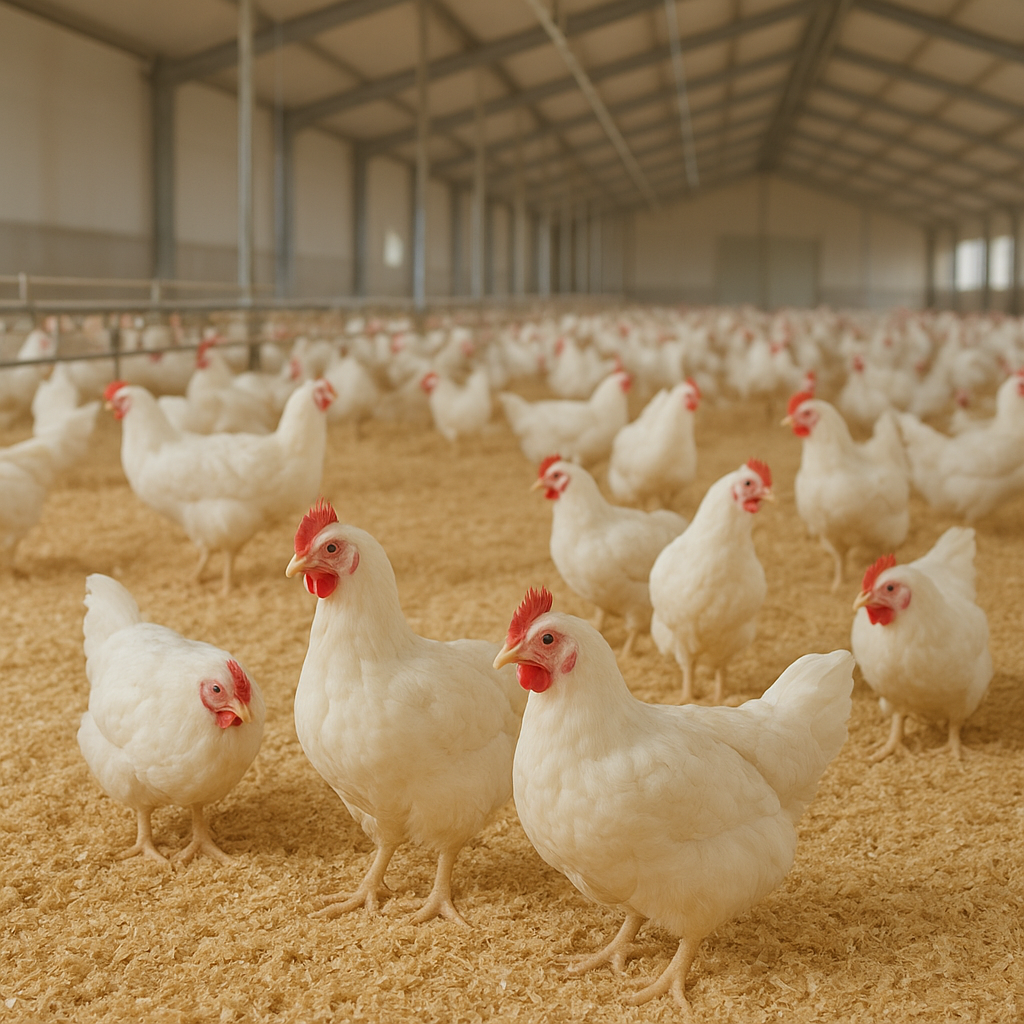
Choosing the Right Poultry Bedding Suppliers for Efficient and Sustainable Farm Operations
Understanding Why the Choice of Poultry Bedding Suppliers Is Crucial for Procurement and Farm Management
In commercial poultry production, the selection of poultry bedding suppliers is a decision that goes far beyond simple cost considerations. Bedding quality directly impacts bird health, welfare, and overall productivity. For instance, poor-quality bedding with inconsistent moisture levels can lead to increased ammonia emissions, which in turn causes respiratory stress and reduced growth rates. In practice, buyers frequently overlook the subtle variations in bedding material properties that influence these outcomes, leading to increased veterinary costs and compromised flock performance.
Supplier reliability and product consistency are equally critical. Poultry operations, especially those running multi-site facilities or high-throughput broiler farms, depend on a steady supply of bedding material that meets predetermined specifications. Disruptions or fluctuations in quality can interfere with inventory planning and biosecurity protocols, risking not only operational delays but also disease outbreaks. Bedding is often the first line of defence against environmental pathogens, making supplier selection a pivotal element in maintaining compliance with industry standards such as the Red Tractor Assurance Scheme and the Animal Welfare Act.
Moreover, bedding material choice interacts with environmental and welfare standards, shaping buyer decisions. Farms aiming to meet stringent welfare codes or environmental regulations must source bedding that supports effective moisture control and ammonia management. This relationship underscores why procurement managers cannot treat poultry bedding suppliers as interchangeable vendors but as strategic partners in farm management.
Differentiating Poultry Bedding Types and Their Influence on Supplier Selection and Equipment Compatibility
The market offers several primary bedding materials for poultry, with wood shavings, straw, hemp, and alternative substrates such as miscanthus or rice hulls being the most common. Each has distinct physical properties that affect suitability depending on the poultry sector—broilers, layers, breeders, or free-range systems.
Wood shavings are widely favoured for their high absorbency and relatively low dust levels. However, variation in particle size and resin content can affect dust generation and ventilation system wear. Straw bedding, while often cheaper and readily available, tends to compact more quickly and may elevate ammonia levels if not managed carefully. Hemp bedding has gained traction for its superior moisture-wicking ability and biodegradability, making it attractive for free-range egg producers seeking sustainable alternatives. Alternative substrates like miscanthus offer interesting environmental benefits but come with variable supply chains and require evaluation for dust and moisture characteristics.
The type of bedding also influences the condition and lifespan of poultry house equipment. For example, feeders and drinkers designed by manufacturers such as Big Dutchman or Chore-Time may experience accelerated wear if bedding dust levels are excessive or if moisture content leads to corrosion. Additionally, bedding characteristics affect cleaning machinery efficiency; straw’s tendency to mat can challenge standard litter scrapers, whereas wood shavings typically allow smoother operation. Procurement decisions must therefore consider how bedding choice integrates with existing or planned equipment, including any used poultry house machinery being acquired or refurbished.
Key Technical Inspection Criteria for Evaluating Poultry Bedding Suppliers Before Purchase
When evaluating suppliers, procurement managers need to conduct thorough technical inspections of the bedding material. Moisture content is a critical metric; materials exceeding 15 per cent moisture risk promoting bacterial growth and ammonia release, compromising bird health. Particle size distribution also matters, as excessively fine particles increase dust and respiratory risks, while overly coarse particles can reduce absorbency and comfort.
Absorbency rates should be verified through supplier-provided data or independent testing. In one scenario we encounter regularly, a mid-scale broiler integrator in Lincolnshire rejected a bedding batch after discovering its absorbency was 20 per cent below specification, which would have led to more frequent litter changes and increased labour costs.
Supplier capacity to meet volume demands with uniform quality is another evaluation point. Lead times and delivery logistics are essential, particularly for operations handling 30,000 birds or more, where delays can halt production cycles. Traceability and contamination control certifications—such as ISO 22000 or HACCP compliance—are increasingly demanded, ensuring that bedding does not introduce pathogens or chemical residues. Buyers should request documentation and, where possible, conduct site visits to supplier facilities to verify these claims.
Balancing Upfront Costs and Long-Term Value: Total Cost of Ownership Considerations with Poultry Bedding
In procurement, the lowest initial price does not always translate into the best value. Total cost of ownership (TCO) for poultry bedding includes factors such as bedding longevity, frequency of house clean-outs, and the impact on litter management systems. For example, a bedding with higher upfront costs but superior absorbency may reduce the need for frequent litter replacement, saving on labour and downtime. In practice, some buyers initially attracted by cheap straw bedding later faced increased ammonia control expenses and bird health issues, which negated any cost advantage.
Supplier aftercare also adds value. Reliable suppliers provide handling advice tailored to seasonal variations—such as managing humidity in winter months—and offer replacement batches or flexible delivery schedules. This support reduces operational risk and can improve bedding performance consistency.
Moreover, bedding type and supplier choice influence equipment maintenance cycles. For instance, abrasive bedding materials can increase wear on conveyor systems and cleaning machinery, affecting refurbishment schedules and spare parts availability. Buyers dealing with older poultry house equipment, such as feeders from Roxell or drinkers from Val-Co, should assess how the bedding interacts with their existing infrastructure and factor in potential maintenance costs when selecting suppliers.
Navigating Compliance and Compatibility in Poultry Bedding Procurement
UK regulations and welfare codes set clear expectations for acceptable bedding materials. The Red Tractor Poultry Assurance Scheme, for example, mandates that bedding must be dry, clean, and suitable to support bird welfare. Procurement managers need to ensure suppliers comply with these standards and provide evidence of such compliance.
Compatibility with environmental controls is another critical aspect. Bedding that retains excessive moisture can undermine ventilation efficiency, leading to elevated ammonia concentrations and environmental non-compliance. Waste management systems must also accommodate bedding disposal or recycling; some materials are more amenable to composting or anaerobic digestion, which aligns with sustainability goals increasingly demanded by retailers and consumers.
Supplier adherence to biosecurity protocols is equally important. Farms often require bedding suppliers to observe strict delivery procedures that minimise disease transmission risks, such as vehicle disinfection and controlled access. Integrating supplier biosecurity measures with farm-level protocols enhances overall disease prevention and protects flock health.
Real-World Procurement Scenarios Illustrating the Complexities of Selecting the Right Poultry Bedding Supplier
One illustrative case involved a 50,000-bird broiler operation in East Anglia struggling with persistent ammonia issues that affected bird welfare and ventilation system performance. After switching to a supplier providing high-absorbency wood shavings with verified moisture content below 12 per cent, the farm observed a measurable reduction in ammonia levels and improved growth rates. This change also allowed the ventilation system to operate more efficiently, reducing energy costs.
In another scenario, a free-range egg producer in Wales faced challenges balancing cost control with sustainability objectives. By sourcing hemp bedding from a specialised supplier offering robust logistics support, the producer not only met environmental goals but also benefited from the material’s superior moisture-wicking properties, which enhanced bird comfort without increasing cleaning frequency.
A multi-site integrator managing 15 farms across the Midlands streamlined procurement by consolidating bedding suppliers, insisting on uniform product specifications and delivery schedules. This approach reduced administrative overhead, ensured consistent bedding quality, and facilitated compliance audits across all sites.
Addressing Common Operational Questions from Procurement Managers and Operations Directors
How does moisture variability in bedding affect bird welfare and what practical steps can suppliers take to minimise this risk? Moisture variability directly impacts ammonia production, litter caking, and microbial growth, all of which compromise bird respiratory health. Suppliers can minimise this risk by implementing rigorous drying processes, conducting regular moisture testing, and maintaining controlled storage conditions to prevent moisture ingress. Clear communication about seasonal variations and batch testing results helps farms adjust bedding application rates proactively.
What are the lead time expectations for bulk poultry bedding deliveries and how should buyers plan inventory accordingly? Lead times vary depending on supplier capacity, bedding type, and logistics infrastructure but typically range from one to four weeks for large volumes. Buyers of high-throughput operations should maintain safety stock levels sufficient to cover at least two delivery cycles, factoring in seasonal demand spikes and potential transport disruptions. Early ordering and supplier relationship management are key to avoiding supply shortfalls.
In what ways do bedding suppliers assist with compliance documentation and product traceability to satisfy audit requirements? Established suppliers provide certificates of analysis, batch traceability records, and compliance declarations aligned with schemes such as Red Tractor and GlobalGAP. These documents support audits by demonstrating material origin, quality control measures, and adherence to biosecurity protocols. Some suppliers also offer digital tracking systems to facilitate real-time access to documentation.
How can switching bedding types impact existing poultry house infrastructure and what adjustments might be necessary to maintain performance? Switching bedding types can affect litter depth, moisture retention, and dust levels, which may require adjustments to ventilation rates, feeder and drinker heights, and cleaning schedules. For example, moving from straw to wood shavings might reduce litter compaction but increase dust, necessitating improved dust extraction. Operations with automated cleaning machinery may also need to recalibrate equipment settings to accommodate different bedding textures.
Drawing Together Insights on Selecting Poultry Bedding Suppliers for Sustainable, Efficient Poultry Production
Choosing the right poultry bedding suppliers is a multifaceted decision that intertwines operational efficiency, animal welfare, regulatory compliance, and sustainability. Procurement managers must look beyond price and focus on bedding quality parameters such as moisture content, absorbency, and particle size, all of which have direct implications for bird health and equipment longevity. Equally important is the supplier’s ability to deliver consistent product quality at scale, backed by transparent traceability and robust biosecurity measures.
Technical support and aftercare from suppliers can make a substantial difference in managing seasonal variations and adapting bedding application to evolving farm conditions. This partnership approach helps mitigate risks associated with bedding variability and enhances overall farm performance. Consideration of total cost of ownership, including equipment maintenance and litter management, ensures that bedding procurement aligns with long-term operational goals rather than short-term savings.
For poultry operations seeking expert guidance and reliable supplies tailored to UK farming conditions, exploring the detailed product range and supplier capabilities at Eden Products offers a practical starting point. Their focus on quality, consistency, and technical expertise reflects the complex demands of modern poultry production and supports informed procurement decisions rooted in real-world operational experience.