
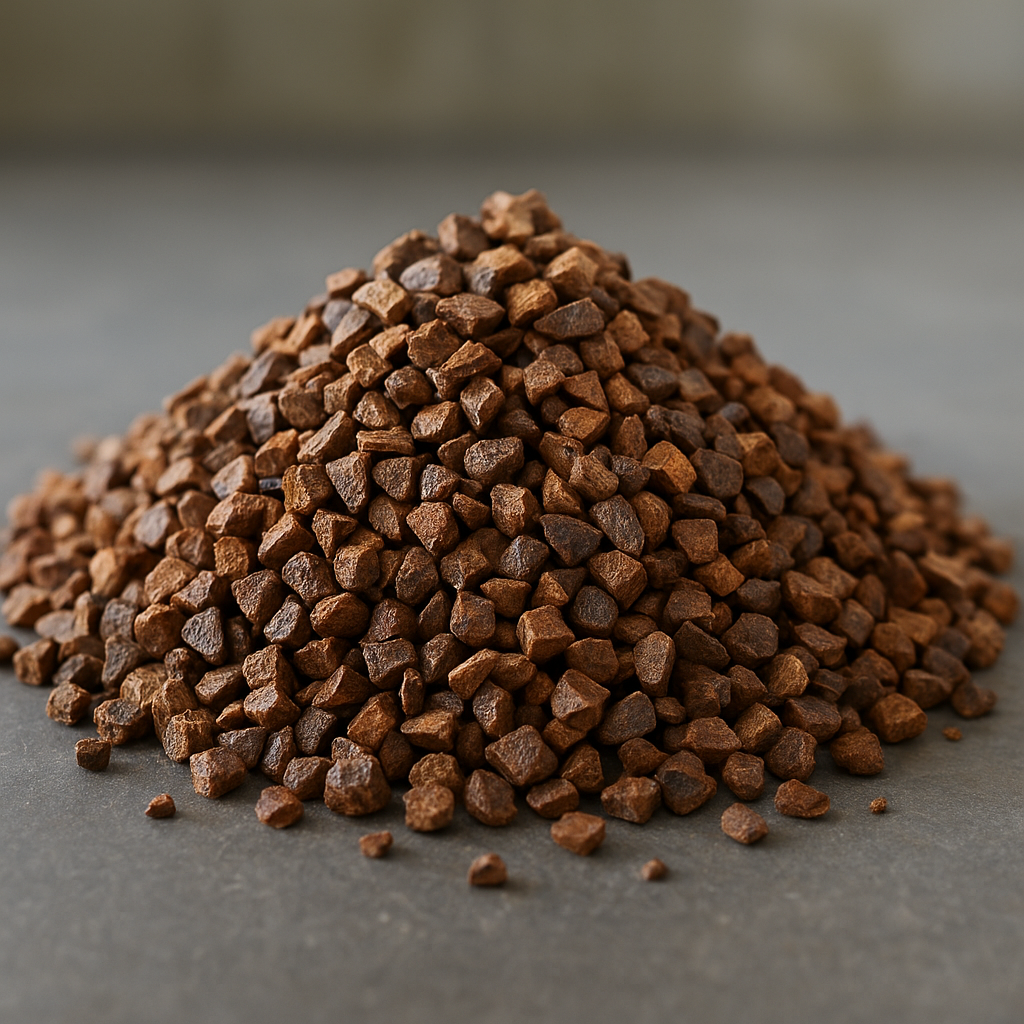
Expert Insights on Selecting and Procuring Coconut Shell Granules for Industrial Applications
Coconut shell granules have emerged as a vital raw material across several industrial sectors, prized for their durability, porosity, and sustainability credentials. Understanding their nuanced properties and procurement challenges is essential for operations directors, procurement managers, and plant engineers who rely on these granules for applications ranging from activated carbon production to abrasive blasting. This article provides an in-depth exploration of coconut shell granules, uncovering technical considerations, variant distinctions, compliance issues, and real-world purchasing scenarios that influence effective sourcing and utilisation.
Why Coconut Shell Granules Are a Strategic Choice in Industrial Sourcing
In recent years, industrial sectors have increasingly prioritised sustainable materials that do not compromise performance. Coconut shell granules fit this requirement well, offering a renewable source that is both cost-effective and technically advantageous. Their significance is particularly pronounced in water treatment, activated carbon manufacturing, and surface preparation processes, where material characteristics directly affect product quality and operational efficiency.
The physical properties of coconut shell granules, such as high lignin content and dense microstructure, lend themselves to superior hardness and porosity once processed. These traits enable efficient adsorption in filtration media and resilience in abrasive applications. However, procurement is not without its challenges. Buyers frequently face issues with supply consistency, as seasonal variations in coconut harvests can impact availability and quality. Moreover, differences in drying techniques, storage conditions, and handling can introduce variability in moisture content and contamination levels, complicating quality assurance.
Logistical factors also play a critical role. Coconut shells are predominantly sourced from tropical regions such as Southeast Asia, where infrastructure constraints may affect shipping timelines and batch uniformity. Understanding these dynamics is essential for maintaining stable supply chains and avoiding costly production interruptions.
Understanding the Variants of Coconut Shell Granules and Their Influence on Equipment and Application
Coconut shell granules are not a uniform commodity. They exist in several key variants, each with specific properties that determine their suitability for various industrial processes. The primary categories include raw granules, activated granules, and processed granules.
Raw coconut shell granules are typically characterised by their size distribution, density, and moisture content. These granules require further processing, such as carbonisation or activation, before use in applications like filtration. Within this category, granule size can range from coarse chunks exceeding 5 millimetres to fine particles below 1 millimetre. The choice of granule size directly influences the type of processing equipment employed. For instance, a plant using rotary kilns for carbonisation may prefer larger granules that facilitate uniform heat distribution, whereas ball mill systems handling finer particles might necessitate stringent size control to prevent equipment blockages.
Activated coconut shell granules have undergone chemical or physical activation to enhance surface area and porosity. These are crucial for high-performance filtration or adsorption tasks. Their density and porosity levels vary depending on activation methods, which in turn affect handling and compatibility with screening or grading equipment. Buyers must consider the abrasiveness of activated granules, as some activation techniques increase material brittleness, accelerating wear on processing machinery. This factor often influences decisions between investing in new equipment with enhanced abrasion resistance or retrofitting existing plants.
Processed granules may include treated or coated variants designed for specialised applications such as pharmaceutical-grade filtration or food processing. These types require strict control over moisture and impurity levels. Moisture content, in particular, is a critical parameter as excess water can cause agglomeration, reducing flowability and complicating feeding systems in automated plants. Similarly, impurity levels, including residual organic matter or sand, affect downstream equipment longevity and product purity.
Key Technical Criteria for Evaluating Coconut Shell Granules Before Purchase
When assessing coconut shell granules, several technical quality attributes must be scrutinised to ensure material suitability and operational reliability. Granulometry, or particle size distribution, is fundamental. Buyers should request detailed sieve analysis data to confirm that granule sizes fall within specified tolerances relevant to their equipment and end-use requirements. Uneven granule sizes can lead to inconsistent activation or filtration performance and cause excessive wear or clogging in processing lines.
Ash content is another critical metric. High ash levels indicate the presence of inorganic residues such as sand or soil, which can degrade the quality of activated carbon and damage rotary kilns or ball mills through abrasion. Typical ash content for high-quality coconut shell granules used in activated carbon production should not exceed 3 to 5 percent by weight. Volatile matter and fixed carbon content further define the granule’s chemical composition and energy potential during carbonisation. Buyers often refer to ASTM D3175 or ISO 1171 standards to benchmark these parameters, facilitating comparison across suppliers.
Contamination is a common pitfall in procurement. In practice, buyers sometimes overlook the presence of metal shards, plastic fragments, or organic residues that may originate from inadequate processing or handling. Such contaminants not only compromise product purity but also cause accelerated wear and unplanned downtime in milling or activation equipment. It is advisable to request material certificates and conduct independent laboratory testing as part of due diligence.
Balancing Initial Cost and Long-Term Value in Coconut Shell Granules Procurement
Procurement decisions should extend beyond upfront price considerations to encompass total cost of ownership (TCO). Granule quality directly impacts processing efficiency, equipment maintenance cycles, and yield consistency. For example, granules with elevated moisture levels may require extended drying times, increasing energy consumption and reducing throughput. Similarly, high impurity content can lead to more frequent equipment servicing or premature component replacement, driving up operational expenditure.
Another factor influencing TCO is supplier reliability. In one scenario, a chemical processing plant sourcing coconut shell granules for rotary kiln carbonisation experienced repeated production delays due to inconsistent batch quality from a low-cost supplier. The resulting downtime and product rejects outweighed the initial savings, prompting a switch to a supplier with more stringent quality control and transparent lead times. This case underscores the importance of integrating logistical performance and quality assurance into vendor evaluation frameworks.
On the equipment side, the choice between refurbished and new machinery tailored to handle specific granule types involves a nuanced cost-benefit analysis. Refurbished kilns or mills can offer significant capital savings but may lack advanced abrasion-resistant linings or moisture management features found in modern units. When handling particularly abrasive or moist coconut shell granules, investing in new equipment with enhanced durability and automated feeding systems may yield better long-term value despite higher upfront costs.
Compliance, Regulatory Frameworks, and Industry Compatibility for Coconut Shell Granules
Compliance with environmental and safety regulations is a growing concern in sourcing coconut shell granules. Dust control measures are mandatory in many jurisdictions to protect worker health and prevent explosion hazards in processing facilities. Procurement managers must verify that suppliers adhere to local and international safety standards, including REACH in the European Union or OSHA guidelines in the United States, where applicable.
Waste disposal protocols also influence sourcing decisions. Some industrial processes generate residues containing coconut shell ash or activated carbon fines, which require proper handling to avoid environmental contamination. Buyers should ensure suppliers provide documentation on waste management practices and that their granules meet thresholds for heavy metals or other regulated substances.
Quality certifications and traceability are particularly critical in sectors such as pharmaceutical filtration or food-grade activated carbon production. Certifications like ISO 9001 and ISO 14001 demonstrate a supplier’s commitment to quality management and environmental stewardship. Traceability systems enable buyers to track batch origin, processing dates, and compliance documentation, which supports regulatory audits and customer assurance.
International procurement demands additional diligence through supplier audits and thorough review of shipping documentation. Language barriers and differing quality standards in coconut-producing regions necessitate close collaboration with trusted intermediaries or local agents to verify compliance.
Real-World Procurement Scenarios Highlighting Sector-Specific Challenges and Solutions
A water treatment company sourcing coconut shell granules for granular activated carbon filters encountered issues with granule size uniformity. The plant’s filtration units required granules predominantly between 2 and 4 millimetres to maintain optimal flow rate and adsorption efficiency. Variability in supplier batches led to premature filter clogging and reduced lifespan. By implementing stricter sieve analysis criteria and partnering with suppliers offering consistent granulometry, the company improved filter performance and reduced replacement frequency.
In abrasive blasting, a service provider needed coconut shell granules with tightly controlled hardness and particle distribution to achieve surface preparation without damaging delicate substrates. The decision involved evaluating multiple suppliers’ granulometry data, contamination levels, and moisture content. Ultimately, the provider selected a supplier offering pre-screened granules with low moisture and minimal fines, enabling smoother blasting operations and less equipment wear.
A chemical processing plant faced challenges with granule moisture and ash content affecting rotary kiln operation. High moisture caused steam generation inside the kiln, leading to temperature fluctuations and increased energy consumption. Elevated ash content accelerated refractory lining degradation, raising maintenance costs. After switching to granules with certified moisture below 8 percent and ash under 4 percent, the plant observed improved kiln stability and reduced downtime.
Addressing Common Questions from Procurement and Operations Leaders on Coconut Shell Granules
How does granule size distribution affect equipment wear and process efficiency across typical applications?
Granule size distribution plays a crucial role in both equipment longevity and process outcomes. In equipment such as rotary kilns and ball mills, uneven or excessively coarse granules can cause mechanical impacts that accelerate wear on linings and grinding media. Conversely, overly fine particles may lead to dust generation and blockages in feeding systems. Process efficiency also depends on granule size, as it influences heat transfer during carbonisation and flow characteristics in filtration beds. Maintaining a narrow size distribution tailored to specific equipment specifications is essential for optimised performance and reduced maintenance.
What inspection protocols are critical to avoid introducing contaminants that could damage processing lines or degrade final product quality?
Effective inspection protocols include comprehensive sieve analysis, moisture testing, and chemical composition evaluation. Visual inspections should identify foreign materials such as stones, metals, or plastic fragments. Laboratory tests for ash content and volatile matter confirm the purity and combustion behaviour of granules. In addition, magnetic separation can remove ferrous contaminants before processing. Implementing batch traceability and supplier audits further reduces the risk of contamination adversely affecting equipment or product quality.
Are there industry-recognised standards or certifications that assure granule quality and traceability for responsible sourcing?
Yes, several standards provide frameworks for assessing and certifying coconut shell granule quality. ASTM standards such as ASTM D3175 outline methods for proximate analysis, including moisture and ash content determination. ISO 9001 certification indicates a supplier’s adherence to quality management systems, while ISO 14001 reflects environmental management compliance. For sectors requiring stringent purity, additional certifications like food-grade compliance or pharmaceutical-grade traceability may be necessary. These standards help buyers ensure material consistency and responsible sourcing.
In what ways do different grades of coconut shell granules impact the lifespan and performance of activated carbon production equipment?
Different grades vary in hardness, moisture, and impurity content, all of which affect equipment wear and operational stability. High-grade granules with low ash and moisture reduce abrasive wear on rotary kiln linings and decrease the risk of corrosion or fouling. In contrast, lower-grade granules with elevated impurities can cause accelerated deterioration, resulting in more frequent maintenance and potential production interruptions. Selecting the appropriate grade based on application requirements and equipment capabilities is vital for maximising equipment lifespan and maintaining consistent activated carbon quality.
Drawing Practical Conclusions on Selecting and Procuring Coconut Shell Granules with Confidence
Successfully sourcing coconut shell granules demands a comprehensive, technically informed approach that extends well beyond price comparison. Buyers must prioritise detailed evaluation of granulometry, moisture content, and impurity profiles to ensure material compatibility with their specific equipment and end-use applications. Overlooking these factors can lead to costly operational disruptions, premature equipment failure, and compromised product quality.
Equally important is the reliability and compliance of suppliers. In practice, the most seamless procurement outcomes arise from partnerships with vendors who maintain consistent quality standards, adhere to environmental and safety regulations, and provide transparent documentation and traceability. This foundation supports smoother logistics and reduces risks associated with international sourcing complexities.
For organisations seeking a trusted and technically diverse source of coconut shell granules, Aura Products offers a comprehensive portfolio backed by industry expertise. Their detailed product specifications and commitment to quality provide procurement professionals with the insight necessary to make informed decisions tailored to their operational needs. Exploring their range can provide valuable reference points for aligning granule selection with both performance and sustainability goals.