
Understanding the Role of Logo Mats in Corporate Flooring Solutions
A Comprehensive Guide to Choosing and Evaluating Logo Mats for Commercial Environments
Logo mats serve a dual purpose in corporate environments: they are both a practical component of facility maintenance and a powerful branding tool. Far beyond simple floor coverings, logo mats contribute significantly to operational efficiency by controlling dirt and moisture while reinforcing corporate identity right at the building entrance. For procurement managers, plant engineers, and operations directors, selecting the right logo mats requires a detailed understanding of material properties, technical specifications, and compliance criteria. This article explores these facets in depth, drawing on real-world procurement experience and sector-specific insights to help professionals make informed decisions about logo mats.
Why Logo Mats Are a Strategic Choice Beyond Branding
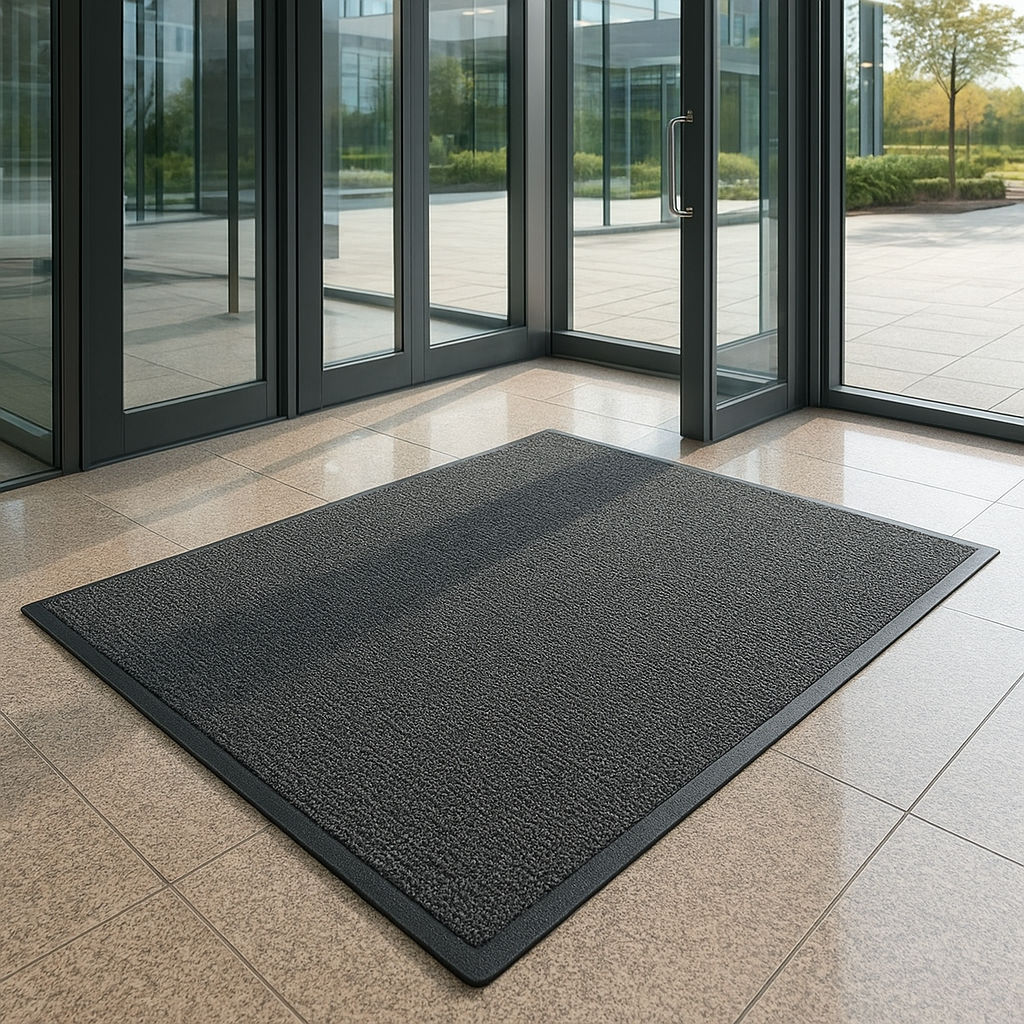
In high-traffic corporate settings, logo mats perform essential functions that impact both operational costs and safety compliance. Their primary operational role is to trap dirt, dust, and moisture before these contaminants enter interior spaces. This is especially critical in sectors such as finance and hospitality, where maintaining pristine floor conditions is both a hygiene and aesthetic imperative. By reducing the ingress of dirt, logo mats prolong the lifespan of interior flooring and reduce cleaning frequency, which translates directly into lower maintenance costs.
Beyond functionality, logo mats act as a frontline brand ambassador. Positioned at entrances and reception areas, they provide an immediate visual cue that reinforces corporate identity and professionalism. In practice, companies with consistent branding across all touchpoints, including entrance matting, report stronger client impressions and enhanced brand recall. However, the quality and design fidelity of the logo mat are crucial; low-quality printing or poor durability can undermine this effect and lead to frequent replacements.
From a compliance perspective, logo mats must not only meet aesthetic and operational needs but also contribute to workplace safety. Mats that fail to control moisture effectively can lead to slip hazards, potentially exposing organisations to liability issues. Therefore, investment decisions around logo mats should integrate considerations of durability, safety certifications, and ease of maintenance to ensure a positive net impact on operational performance.
Distinguishing Between Logo Mat Types and Their Practical Applications
Logo mats are available in several construction types, each suited to distinct operational contexts. The most common variants include woven, tufted, and rubber-backed mats. Woven logo mats typically offer high-definition logo reproduction and a luxurious finish, making them ideal for corporate reception areas where visual impact is paramount. Their durability is moderate, and they usually require regular cleaning to maintain appearance.
Tufted mats, on the other hand, feature densely packed fibres that provide enhanced durability and dirt-trapping capabilities. These are often preferred in industrial or retail environments where foot traffic is heavy and soil ingress is a constant concern. The tufted construction allows for a balance between resilience and clear logo display, especially when combined with dye sublimation printing techniques that embed the logo into the fibres themselves.
Rubber-backed mats are the go-to choice for environments where slip resistance and moisture containment are critical. The rubber backing ensures the mat stays securely in place, reducing trip hazards and preventing water seepage beneath the mat. These mats are frequently deployed in warehouses, manufacturing plants, and hospitality entrances where exposure to wet conditions and heavy foot or vehicle traffic is common. The downside can be a less vivid logo appearance compared to woven alternatives, but modern printing methods have narrowed this gap.
Material composition is another crucial factor. Nylon mats offer excellent wear resistance and colour retention but can be more expensive. Polypropylene is a cost-effective synthetic option with good moisture resistance but lower UV stability, which may be a concern for outdoor placements. Natural fibre mats, such as coir, provide an eco-friendly option with strong dirt scraping capabilities but generally lack the durability and print fidelity required for detailed logos.
Bespoke logo mats differ from modular or standard-sized mats primarily in their customisation level and scalability. Bespoke mats are tailored exactly to a client’s dimensions and branding, offering a seamless aesthetic but potentially higher lead times and replacement costs. Modular mats, composed of interlocking tiles, provide flexibility for phased rollouts or multi-site deployments but may compromise the visual continuity of the logo if not carefully designed.
Critical Technical Factors to Assess Before Procurement
When evaluating logo mats before purchase, several technical criteria warrant close scrutiny. Pile density is a primary factor influencing durability and dirt retention. Mats with higher pile density generally withstand wear better and trap more dirt, but they may also retain more moisture, necessitating more frequent drying or cleaning. Backing adhesion quality is equally important to prevent delamination, which can cause trip hazards and reduce mat lifespan.
Edge finishing deserves particular attention. Mats with well-sealed or reinforced edges resist fraying and curling, which not only prolongs service life but also ensures safety compliance. Anti-slip certifications, such as compliance with BS 7976 slip resistance testing, are essential for corporate environments, especially public-facing spaces. These certifications provide assurance that the mat will maintain traction even when wet, reducing the risk of falls.
Logo reproduction fidelity is another critical factor. Buyers often overlook the difference that print method makes. Screen printing offers vibrant colours but can fade rapidly under heavy foot traffic, whereas dye sublimation embeds the logo into the fibres for superior longevity. In high-traffic zones, colour fastness should be a key evaluation criterion, with suppliers ideally providing test data or samples demonstrating resistance to abrasion and UV exposure.
Practical on-site factors include mat thickness and compatibility with door clearances. A common pitfall is purchasing mats too thick for automatic doors, which can impede door operation and cause premature mechanical failure. Floor levelling must also be considered, as uneven surfaces can lead to mat movement and increased trip risk. Site surveys and trial installations are advisable before committing to large orders.
Assessing Total Cost of Ownership and Long-Term Value
In procurement, the upfront purchase price of logo mats tells only part of the story. Total cost of ownership (TCO) incorporates lifespan, maintenance, refurbishment options, and replacement logistics. For instance, a manufacturing plant in the Midlands recently faced a decision between low-cost polypropylene tufted mats and higher-priced nylon woven mats for their main entrance, which sees heavy forklift traffic. While the cheaper mats had a lower initial cost, they required replacement within 18 months due to excessive wear and fading. The nylon mats, though more expensive upfront, lasted over four years and maintained brand visibility throughout, ultimately delivering better value.
Refurbishment or replacement parts availability is another factor affecting TCO. Some bespoke mats with proprietary backing systems can be costly and slow to repair, whereas modular systems allow for quick tile replacement, minimising downtime. Lead times must be factored into procurement planning; suppliers with shorter turnaround times reduce operational disruption, particularly for multi-site rollouts that require synchronised delivery.
Efficiency considerations also include cleaning regimes. Durable mats that trap more dirt reduce the frequency and intensity of floor cleaning, which saves labour and chemical costs. However, more complex cleaning methods may be needed to preserve logo print quality, especially with high-end woven mats. Buyers should assess supplier recommendations and compatibility with existing maintenance capabilities.
Navigating Compliance and Compatibility in Corporate Environments
Logo mats in commercial buildings must adhere to various safety and regulatory standards. BS 7976 slip resistance testing is widely regarded as the benchmark for anti-slip performance in the UK. Mats that achieve a satisfactory Pendulum Test Value (PTV) help ensure compliance with workplace safety regulations and reduce liability risk. Fire retardancy is another important consideration, particularly in public buildings and hospitality venues. Mats should comply with relevant fire safety standards such as BS EN 13501-1 to mitigate fire hazards.
Compatibility with floor heating systems is an emerging concern in modern office and retail environments. Thick or rubber-backed mats can insulate the floor surface, reducing heating efficiency and potentially causing uneven floor temperatures. Procurement managers should verify mat thermal conductivity specifications and consult with heating system providers to ensure optimal performance.
Accessibility is a further dimension. Under the Equality Act 2010, buildings must accommodate individuals with mobility impairments. This includes ensuring that mats do not create undue trip hazards or impede wheelchair access. Mat thickness and edge beveling must be carefully specified, and mat placement should avoid obstructing tactile paving or other accessibility features.
Real-World Procurement Scenarios Highlighting Sector-Specific Challenges
One scenario we encounter regularly is a financial services firm seeking high-end woven logo mats for multiple office receptions. Their priority was brand consistency across sites combined with a low-maintenance solution. The procurement team opted for nylon woven mats with dye sublimation printing, which provided vibrant, durable logos and allowed for simple vacuum cleaning. The mats’ moderate pile height was compatible with automatic door systems, avoiding operational issues.
In contrast, an industrial warehouse in the North West required rubber-backed bespoke logo mats capable of withstanding chemical spillages and heavy foot and vehicle traffic. The chosen mats featured a reinforced nitrile rubber backing resistant to oils and acids, and a low-profile tufted surface for durability. This specification was critical to meet health and safety regulations while maintaining brand visibility in a harsh environment.
The hospitality sector presents unique challenges balancing aesthetics with hygiene. A large hotel chain integrated logo mats in busy lobbies and conference centres, where appearance and ease of cleaning ranked equally high. They selected polypropylene mats with antimicrobial treatments and quick-drying properties. The mats were modular to allow easy replacement of high-wear sections without full mat replacement, minimising disruption during peak guest periods.
Common Questions From Procurement and Facilities Managers About Logo Mats
What factors determine the durability of logo mats in different environmental conditions?
Durability depends primarily on the mat’s material composition, construction method, and maintenance regime. Nylon fibres, for example, resist wear and colour fading better than polypropylene but at a higher cost. Environmental conditions such as exposure to UV light, moisture, and chemical contaminants also affect longevity. In outdoor or semi-covered entrances, UV resistance and backing adhesion are critical. Regular cleaning and prompt drying help preserve the mat’s structural integrity and logo clarity.
How do logo mats affect overall cleaning and maintenance schedules?
Logo mats reduce the volume of dirt and moisture entering a building, thereby decreasing the frequency and intensity of floor cleaning elsewhere. However, the mats themselves require care to maintain appearance and safety. High-quality woven or tufted mats may need vacuuming and occasional deep cleaning, while rubber-backed mats might require hosing or specialist treatments. Additionally, preserving logo print quality may necessitate avoiding aggressive cleaning chemicals or methods that could degrade dyes or fibres.
Are there eco-friendly options for logo mats without compromising performance?
Recent innovations include mats made from recycled nylon or polypropylene and backing adhesives with low volatile organic compounds (VOCs). Natural fibre mats such as coir and jute also offer sustainable alternatives but may fall short in durability and print fidelity for detailed logos. Buyers should weigh the environmental benefits against operational requirements, especially in high-traffic or moisture-prone areas, where synthetic mats typically perform better.
What are typical lead times for custom logo mat orders and how does this affect project planning?
Lead times vary depending on mat complexity, size, supplier capacity, and printing method. Custom woven or tufted mats with dye sublimation printing may take between four to eight weeks from order to delivery. Rubber-backed mats with simpler logos can be faster, often within two to four weeks. Procurement managers must factor these timelines into project schedules, especially for phased rollouts or coordinated multi-site installations, to avoid delays in operational readiness.
Drawing Practical Insights for Informed Logo Mat Decisions
Choosing the right logo mats involves more than simply selecting a design that fits corporate branding. It requires a detailed understanding of technical specifications, environmental conditions, and regulatory frameworks. In practice, buyers frequently underestimate the importance of factors such as pile density, backing quality, and print method, leading to premature wear or safety risks. Equally, considering total cost of ownership often reveals that investing in higher-quality mats initially reduces long-term expenditure through fewer replacements and lower maintenance demands.
The sector-specific examples discussed—from financial services to manufacturing and hospitality—illustrate how tailored logo mat solutions can address distinct operational challenges. Whether it is withstanding chemical exposure in an industrial warehouse or balancing aesthetics and hygiene in a hotel lobby, the right mat is a strategic asset that supports both functionality and brand presence.
For procurement managers and operations directors seeking detailed guidance and a broad selection of professional logo mat options, resources such as logo mats provide comprehensive product ranges coupled with expert technical support. This ensures that the selection process is informed by industry standards and practical experience, ultimately aligning with both operational needs and corporate identity goals over the long term.