
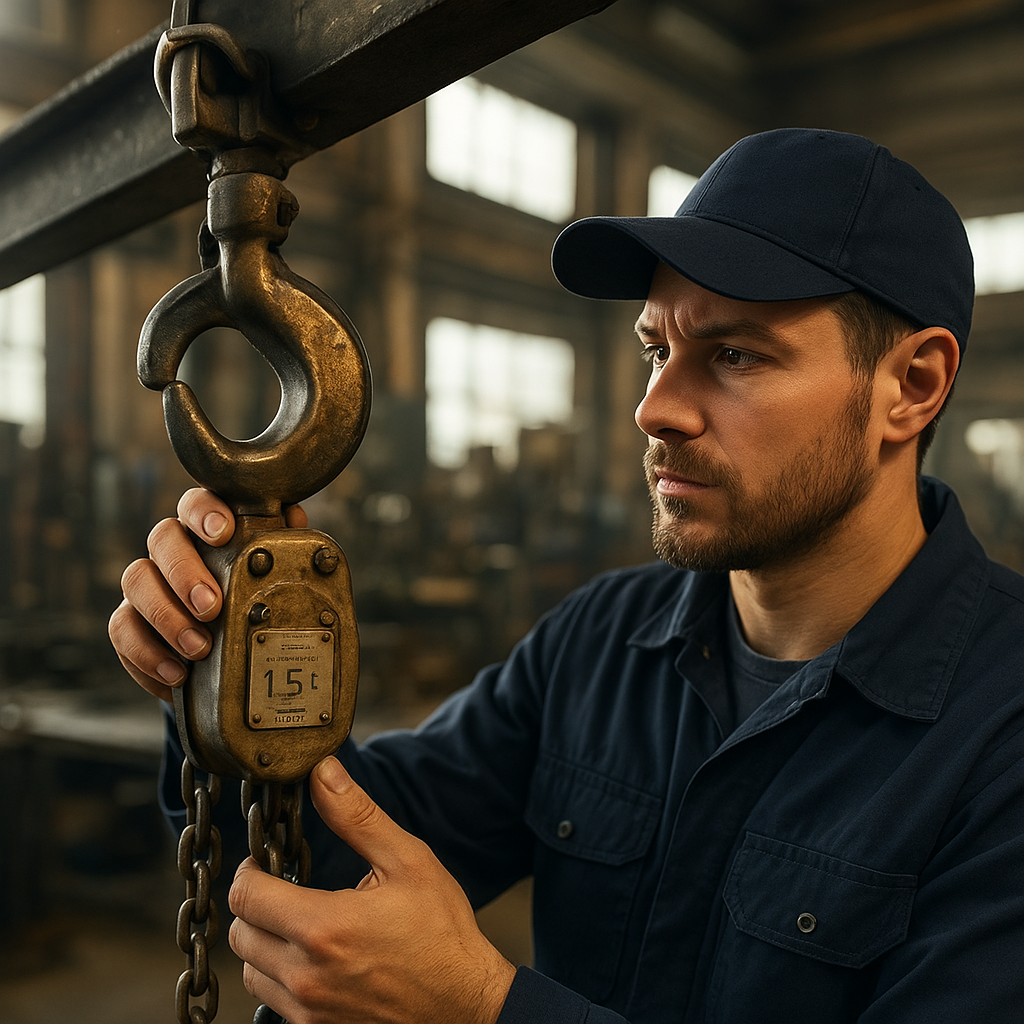
Expert Guidance on Selecting Manual Handling Lifting Devices for Industrial Efficiency and Safety
Why Choosing the Right Manual Handling Lifting Device is a Critical Operational Decision
Manual handling lifting devices play a pivotal role in maintaining workplace safety and operational efficiency across numerous industrial sectors. Selecting the appropriate lifting aid is not merely a matter of convenience; it directly influences injury rates, productivity, and regulatory compliance. In practice, procurement managers frequently underestimate how the right device can mitigate musculoskeletal disorders, a leading cause of lost workdays in manufacturing and warehousing environments.
Operationally, the correct lifting equipment reduces manual strain on workers and streamlines material flow. For example, replacing outdated chain blocks with mechanised trolley systems can significantly cut load handling times on an assembly line, thereby enhancing throughput. However, balancing these benefits against budget constraints and compliance requirements remains a common challenge. Buyers often struggle to reconcile initial purchase price with long-term usability and safety performance, which can lead to costly equipment mismatches or premature replacement demands.
Distinguishing Between Key Types of Manual Handling Lifting Devices and Their Market Implications
Manual handling lifting devices encompass a range of mechanical aids designed to assist in the safe movement of loads without resorting to fully automated cranes. Typical categories include chain blocks, lever hoists, manual trolleys, and geared hoists. Each device type caters to different operational needs and environments, and understanding these nuances is essential for informed procurement.
Chain blocks, for instance, are widely used for vertical lifting in manufacturing and maintenance settings due to their simplicity and reliability. Lever hoists offer greater flexibility, allowing both vertical and horizontal load movement, which suits warehouse operations handling irregular or awkwardly shaped items. Manual trolleys facilitate load transfer along beams or rails and are integral in assembly lines or construction sites requiring precise lateral load positioning.
The choice between new and used equipment often hinges on device type. Chain blocks and lever hoists tend to have a robust second-hand market, with many buyers attracted by cost savings and the availability of spare parts from established brands like CM or Yale. Conversely, trolleys and more complex geared hoists are less frequently purchased used due to tighter compatibility demands and wear concerns, making new purchases more common.
Capacity and ergonomics are equally critical. Heavy-duty lifting in automotive manufacturing might necessitate devices rated for 2 to 5 tonnes with smooth operation to avoid production delays. In contrast, lighter loads in warehousing might prioritise portability and ease of use. Sector-specific considerations like exposure to harsh environments in construction also influence device selection, favouring corrosion-resistant materials and sealed mechanisms.
Practical Technical Criteria for Evaluating Manual Lifting Equipment Before Purchase
Before committing to a purchase, rigorous inspection and evaluation of manual handling lifting devices are indispensable. Buyers often overlook the importance of thorough technical scrutiny, which can lead to safety hazards or costly downtime. Key elements to verify include valid load testing certificates and evidence of compliance with relevant safety standards. These certificates confirm that the device has been subjected to proof loads exceeding its rated capacity without failure.
Physical inspection should focus on wear indicators such as chain elongation, hook deformation, and corrosion, especially when considering second-hand items. Brake mechanisms and control levers require particular attention since their failure could lead to uncontrolled load drops. It is advisable to assess maintenance records or refurbishment quality reports to ensure that any repairs meet manufacturer specifications.
Compatibility with the existing infrastructure is often a decisive factor. For example, mounting points on overhead beams must match the trolley’s dimensions and load rating. Power source considerations, while less relevant for manual devices, may come into play for geared hoists with electric assist. Spatial constraints, including clearance heights and aisle widths, impact device manoeuvrability and operator safety.
Balancing Purchase Price with Total Cost of Ownership in Manual Lifting Device Procurement
While upfront purchase price is a significant consideration, total cost of ownership (TCO) offers a more comprehensive perspective that buyers should adopt. Investing in reliable brands or newer technologies often yields better long-term value than opting for the cheapest option. For example, a reputable manufacturer’s chain block with readily available spare parts and straightforward maintenance procedures can reduce downtime and repair costs substantially compared to an unknown brand or heavily used equipment.
Lead times for spare parts are a practical concern frequently overlooked. In one scenario involving a medium-sized food processing plant, procurement of a second-hand lever hoist appeared cost-effective but resulted in extended downtime because critical components were obsolete and difficult to source. Conversely, devices from manufacturers with robust aftermarket support, such as Kito or CM, enable quicker repairs and refurbishment, improving operational continuity.
Refurbishment is often a viable alternative to new equipment, especially for chain blocks and lever hoists. Quality refurbishment can restore load-bearing components and safety mechanisms to meet original standards. However, it requires expert inspection and certification to ensure compliance. Buyers should factor in the cost and availability of refurbishment services when considering used equipment. Efficiency gains from modern designs, such as improved brake systems or ergonomic handles, can further justify investing in newer models despite higher initial costs.
Navigating Compliance and Industry Standards When Selecting Manual Handling Lifting Equipment
Compliance with UK and European regulations is fundamental to safe manual handling lifting device use. The Lifting Operations and Lifting Equipment Regulations 1998 (LOLER) impose strict requirements on equipment inspection, maintenance, and safe operation. In practice, buyers must ensure that all devices have documented thorough examinations by competent persons at prescribed intervals.
The Provision and Use of Work Equipment Regulations 1998 (PUWER) also apply, mandating that equipment is suitable for the task, properly maintained, and used by trained personnel. Failure to comply can expose organisations to legal liabilities and increased insurance premiums, especially in high-risk sectors like manufacturing and logistics where load handling incidents are more frequent.
Certification and operator training are integral to compliance. Procuring lifting devices with clear certification records and ensuring staff undergo appropriate training reduces the risk of accidents and equipment misuse. From a plant engineer’s perspective, integrating these requirements into procurement specifications streamlines safety audits and regulatory inspections.
Real Procurement Scenarios: Applying Expertise Across Industry Contexts
One scenario we encounter regularly involves a medium-sized automotive parts manufacturer upgrading from basic chain blocks to mechanised trolleys to improve line efficiency. The previous setup relied heavily on manual lifting that slowed production and increased injury reports. After evaluating trolley systems compatible with existing overhead rails, the client selected a modular solution capable of handling 3-tonne loads with smooth lateral movement, significantly reducing handling times and operator fatigue.
In warehouse operations, a logistics firm integrated portable lever hoists to handle irregularly shaped loads safely and accelerate order fulfilment. The flexibility of lever hoists allowed workers to lift and position heavy items without additional lifting equipment, improving turnaround times while adhering to strict health and safety standards. The procurement team prioritised devices with robust braking systems and ergonomic handles to reduce strain during repetitive tasks.
Construction sites present unique challenges due to harsh environments and mobility requirements. A contractor sought lifting devices that could withstand exposure to dust, moisture, and rough handling while remaining easy to transport between sites. The solution involved selecting corrosion-resistant chain blocks with sealed mechanisms and lightweight manual trolleys designed for quick installation on temporary scaffolding beams, balancing durability with operational practicality.
Answering Practical Questions from Procurement and Operations Leaders
What are the main differences between mechanical and manual lifting aids in terms of maintenance and safety?
Mechanical lifting aids typically incorporate powered components such as electric or pneumatic drives, which introduce additional maintenance complexity compared to purely manual devices. Mechanical systems require regular servicing of motors, controls, and electrical safety checks, in addition to the standard inspection of load-bearing components. From a safety standpoint, mechanical aids offer more consistent lifting force and can reduce operator fatigue but demand rigorous adherence to maintenance schedules to prevent failures. Manual lifting aids, while simpler, rely heavily on operator technique and can be safer if used correctly but pose a higher risk of misuse or overloading if not properly supervised.
How can I verify the condition and reliability of used manual lifting equipment before purchase?
Verification involves a combination of physical inspection, documentation review, and testing. Buyers should request recent load test certificates and thorough examination reports conducted by qualified inspectors. Visual examination must focus on signs of wear, particularly on chains, hooks, and braking systems. It is also prudent to assess the equipment’s maintenance history, including any refurbishment work, to ensure compliance with manufacturer standards. Where possible, conducting an independent inspection or engaging a specialist to evaluate the device prior to purchase can safeguard against hidden defects and ensure reliability.
What factors should be considered to ensure compatibility with existing plant and infrastructure?
Compatibility hinges on several technical parameters. The mounting method of the lifting device must align with the structural characteristics of existing beams or support frameworks. Load capacity and beam ratings need to match to prevent structural overload. Spatial constraints, such as ceiling height, aisle width, and clearance around the device, impact operational safety and efficiency. Additionally, the device’s method of movement—whether manual trolley, push trolley, or motorised—must suit the workflow and user capabilities. Power requirements for mechanical aids must also be considered if electrical or pneumatic supplies are limited.
How does operator training influence the effectiveness and safety of manual handling lifting devices?
Operator training is crucial for maximising both the safety and efficiency of manual handling lifting devices. Well-trained personnel understand load limits, correct handling techniques, and emergency procedures, reducing the risk of accidents and equipment damage. Training also ensures operators can identify early signs of device malfunction or wear, prompting timely maintenance interventions. In sectors such as manufacturing and logistics, comprehensive training programmes contribute to regulatory compliance and foster a safety culture, which in turn improves overall operational performance.
Drawing Together Practical Knowledge with Trusted Resources for Informed Equipment Choices
Manual handling lifting devices constitute a fundamental component of safe and efficient material handling strategies across diverse industrial sectors. The decision to procure specific devices demands a careful balance of technical evaluation, compliance adherence, and long-term cost considerations. By understanding the distinctions between device types, scrutinising technical condition, and considering total cost of ownership, procurement managers and plant engineers can make informed choices that enhance workplace safety and operational productivity.
Compliance with regulatory frameworks such as LOLER and PUWER remains non-negotiable and should be integrated into procurement specifications alongside practical usability concerns. Real-world scenarios across automotive manufacturing, warehousing, and construction illustrate how tailored device selection can address sector-specific challenges effectively. Operator training and maintenance regimes further underpin the safe deployment of manual handling lifting devices.
For organisations seeking reliable, compliant mechanical lifting aids, exploring the offerings at Alan Campbell Engineering Services provides access to a range of carefully selected equipment. Their expertise and product portfolio support buyers in navigating the complexities of manual handling equipment procurement with confidence and technical assurance.