
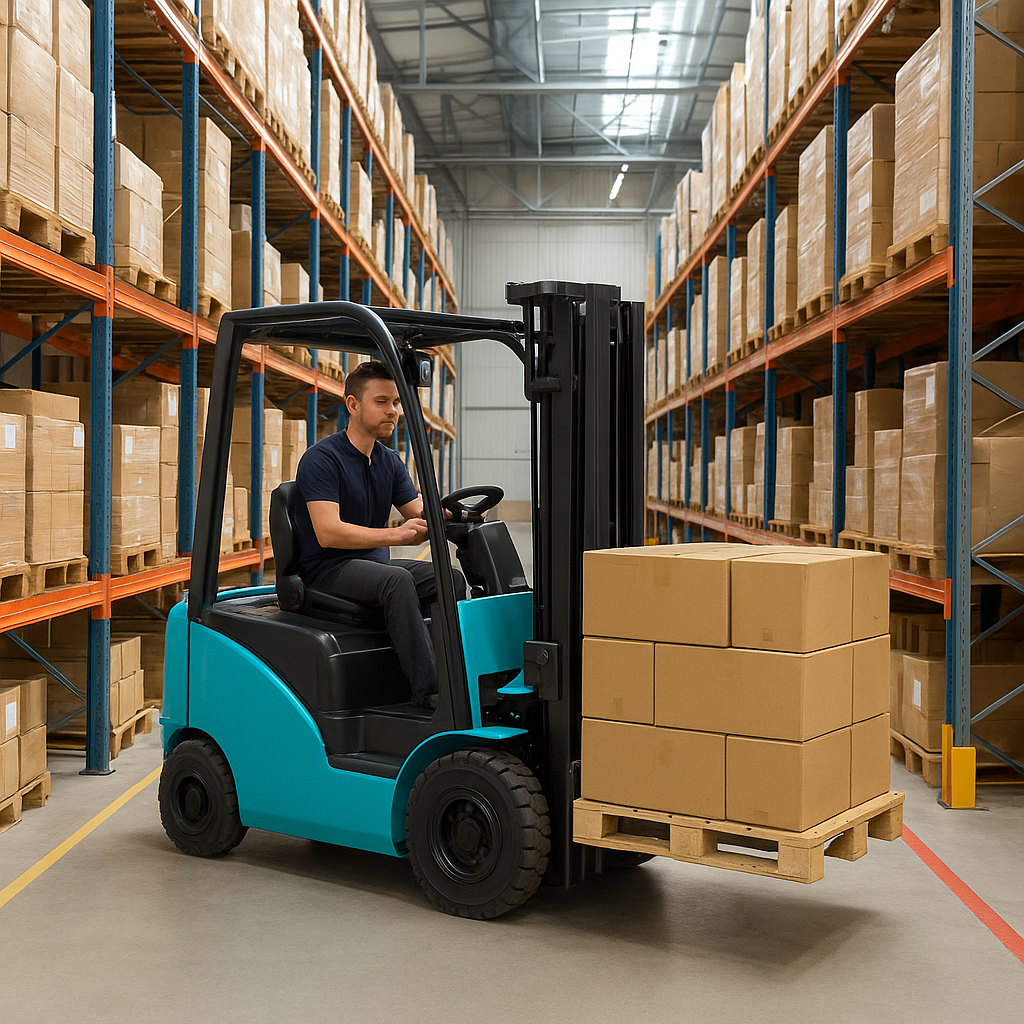
Strategic Insights into Forklift Hire for Industrial and Logistics Operations
Forklift hire has become an essential operational strategy for many industrial, warehousing, and construction businesses navigating fluctuating demands and capital constraints. Selecting the right forklift hire solution involves more than just choosing a machine; it requires an informed evaluation of equipment types, technical condition, compliance factors, and total cost implications. Drawing on practical industry experience, this article explores the complexities of forklift hire decisions, providing procurement managers, plant engineers, and operations directors with a detailed perspective that reflects real-world challenges and solutions.
Why Forklift Hire is a Strategic Choice for Industrial Operations
In practice, forklift hire is often a response to the unpredictable rhythms of industrial workloads and project-specific demands. For instance, a food distribution centre facing seasonal surges may find that hiring additional forklifts for peak periods avoids the financial strain of purchasing machines that would remain underutilised for much of the year. This flexibility is particularly valuable in sectors where lead times for new equipment can extend beyond several weeks, threatening operational continuity.
One scenario encountered regularly involves manufacturers launching a new product line requiring temporary increase in material handling capacity. Rather than committing capital expenditure to new forklifts, they opt for hire to maintain cash flow and hedge against market uncertainties. Similarly, companies undergoing facility upgrades or relocation can use forklift hire to bridge gaps without tying up resources in permanent assets that may not align with future layouts or workflows.
Beyond financial considerations, forklift hire supports risk management by providing access to specialist models and allowing fleet versatility. For example, a warehouse might typically operate standard counterbalance trucks but require narrow aisle or 4-way reach trucks for specific projects. Hiring these specialist machines on demand reduces the need for long-term investment and maintenance overheads, while ensuring operational capability.
Understanding Forklift Variants and Their Impact on Hire Decisions
The variety of forklift types available for hire reflects the diverse operational environments and load handling requirements across industries. The primary categories include counterbalance forklifts, reach trucks, pallet trucks, and specialist equipment such as 4-way or narrow aisle trucks.
Counterbalance forklifts remain the most common, with subtypes powered by electric batteries, diesel, or LPG. Electric counterbalance trucks are favoured indoors for their zero emissions and quiet operation, making them ideal for food processing facilities or pharmaceutical warehouses. Diesel counterbalance forklifts, by contrast, provide robust performance in outdoor settings like construction sites or timber yards, where ventilation constraints are less restrictive. LPG-powered trucks offer a middle ground, suitable for mixed indoor-outdoor use, often in manufacturing plants with designated outdoor storage areas.
Reach trucks are specialised for high racking and narrow aisles, predominantly used in warehousing sectors demanding high-density storage optimisation. Their design allows operators to extend the forks into racks, enabling efficient stacking up to heights of 10 metres or more. Pallet trucks, whether pedestrian or powered, serve as flexible tools for horizontal load movement in environments where forklifts might be impractical or unnecessary, such as retail stockrooms or light industrial assembly lines.
Specialist forklifts like 4-way trucks or very narrow aisle (VNA) machines accommodate unique spatial constraints. For example, automotive parts manufacturers often deploy narrow aisle trucks to maximise floor space, requiring precise machine specifications and often trial periods before hire commitment to ensure compatibility with racking systems and load profiles.
The decision between new and used hire equipment further influences procurement outcomes. New hire machines offer the latest technology, improved ergonomics, and reduced emissions but come with higher hire rates. Used hire fleets, often sourced from respected manufacturers such as Toyota, Linde, or Jungheinrich, can provide cost-effective solutions when refurbishment is thorough and maintenance regimes are transparent. Buyers should weigh availability and reliability against budget constraints and operational criticality.
What to Inspect and Evaluate Before Committing to Forklift Hire
Technical evaluation is crucial to avoid operational disruptions and safety incidents. A common pitfall is neglecting detailed inspection of the forklift’s load capacity, which must align precisely with the heaviest loads expected in operation. Overestimating capacity can lead to unsafe practices, while underestimating reduces efficiency.
Mast condition is another vital aspect. Buyers frequently overlook mast wear or mast chain integrity, which can affect lifting smoothness and safety. Tyre condition demands careful attention, particularly the distinction between solid and pneumatic tyres. Solid tyres are preferred on smooth indoor surfaces for durability, whereas pneumatic tyres offer better traction and shock absorption outdoors but require regular pressure checks and maintenance.
Safety features must be verified, including seat belts, warning alarms, horns, and emergency stop functions. These are often mandated under PUWER (Provision and Use of Work Equipment Regulations) 1998, which require equipment used at work to be safe and properly maintained. Compliance with LOLER (Lifting Operations and Lifting Equipment Regulations) 1998 is equally important, ensuring lifting equipment is thoroughly examined and fit for purpose. Buyers should request service histories and inspection certificates to confirm adherence to these regulations.
Service history review provides insight into the maintenance regime and potential downtime risks. For example, a logistics operator once hired a fleet of used electric forklifts without verifying battery health or charge cycle records, resulting in unplanned downtime during peak periods. Thorough assessment of battery condition, hydraulic systems, and electrical components helps anticipate operational reliability.
Balancing Cost and Value: Total Cost of Ownership Considerations in Forklift Hire
While the headline hire rate is the most visible cost element, total cost of ownership (TCO) considerations extend to fuel or power consumption, operator training, maintenance support, and downtime impact. For instance, electric forklifts generally incur lower operational costs due to reduced fuel expenses and simpler servicing, but require investment in charging infrastructure and trained operators familiar with battery handling.
Refurbishment status significantly affects reliability and spare parts availability. Older equipment from manufacturers like Hyster or Clark can be cost-effective if well maintained, but buyers must assess the vendor’s parts supply network and refurbishment quality. Inadequate refurbishment can lead to higher repair frequency and unplanned interruptions.
Lead times also influence cost dynamics. Urgent hire needs often attract premium rates but can prevent costly project delays. Conversely, planned procurement through hire agreements with service support can reduce hidden costs by ensuring machines remain operational and compliant throughout the hire period. Some providers include regular servicing and breakdown support as part of the hire contract, mitigating the risk of extended downtime.
Navigating Compliance, Safety, and Compatibility in Forklift Hire
Compliance with safety regulations is non-negotiable in forklift hire agreements. Workplace safety standards require that hired forklifts meet the same criteria as owned equipment, including routine inspections, operator certification, and environmental regulations.
Environmental restrictions increasingly impact forklift choice. Many warehouses now prohibit diesel forklifts indoors due to emissions, pushing operators towards electric or LPG alternatives. Compliance with the Clean Air Act or local environmental directives should be confirmed with the hire provider.
Compatibility issues extend to attachments and load handling accessories. For example, a pallet inverter or side-shifter attachment may be necessary to handle specific loads. Ensuring the hired forklift can accommodate these attachments without compromising stability or safety is critical. Additionally, compatibility with existing fleet infrastructure, such as charging stations or maintenance protocols, should be evaluated.
Operator certification requirements, often mandated by the Health and Safety Executive (HSE), must be supported by the hire provider. Reliable suppliers typically offer training or documentation to confirm operators are qualified to use the specific forklift model, which is essential for compliance audits and insurance purposes.
Real-World Procurement Challenges and Solutions in Forklift Hire
A mid-sized logistics warehouse in the Midlands faced a seasonal peak requiring a rapid scale-up of material handling capacity. The operation needed a mix of electric reach trucks for narrow aisle picking and powered pallet trucks for dockside movement. Purchasing new equipment was impractical due to budget cycles and lead times exceeding six weeks. By opting for forklift hire, the warehouse secured immediate access to a diverse fleet, maintaining throughput without capital outlay. The hire provider’s flexible terms allowed adjustment of fleet size as demand fluctuated, demonstrating the operational agility hire can deliver.
In another case, a construction firm operating across multiple sites required robust diesel counterbalance forklifts capable of tackling uneven terrain and heavy loads. The project experienced unexpected delays in equipment delivery, threatening site deadlines. Hiring diesel forklifts provided an effective stop-gap, ensuring continuity of operations. The firm prioritised providers with solid maintenance support due to harsh operational environments, highlighting the importance of service agreements in hire contracts.
An automotive parts manufacturer faced spatial constraints in their warehouse and sought specialist narrow aisle forklifts to optimise storage density. Precision in specification was vital, as the machines had to navigate tight racking systems and handle heavy loads safely. The manufacturer arranged trial hire periods to validate machine suitability. This approach mitigated risk before committing to longer-term hire agreements and ensured that operational requirements were met without costly errors.
Addressing Common Questions from Procurement and Operations Professionals
How does forklift hire compare to purchase in terms of flexibility and long-term cost efficiency?
Forklift hire offers superior flexibility, especially for businesses with fluctuating or project-driven demand. It allows companies to scale their fleet up or down without the financial and logistical burdens of ownership. While purchase may appear more cost-effective over an extended period, hire avoids capital expenditure, depreciation, and maintenance liabilities. The choice depends on the operational profile; hire is advantageous for short-term or unpredictable needs, whereas purchase suits stable, high-utilisation scenarios.
What are the critical technical parameters to verify when selecting a hire forklift to avoid operational risks?
Essential parameters include load capacity aligned with the heaviest expected loads, mast condition, tyre type and wear, and the presence of key safety features such as seat belts and alarms. Verifying the service history and maintenance records is critical to anticipate potential downtime. Compliance with PUWER and LOLER regulations must be confirmed to ensure legal and safety standards are met. Additionally, the suitability of attachments and compatibility with operational environments should be reviewed.
In what ways does forklift hire help businesses adapt to seasonal or project-based demand fluctuations?
Forklift hire allows businesses to respond quickly to seasonal peaks or project-specific requirements without long-term commitments. It enables access to specialist equipment that may only be needed temporarily, reducing the risk of idle assets. Hire agreements often include flexible terms and support services, allowing businesses to adjust fleet size and composition as needs evolve, thus maintaining operational efficiency without excessive overhead.
What steps should be taken to ensure compliance with health and safety regulations during the hire period?
First, confirm that the hired forklift has current inspection and maintenance certificates demonstrating compliance with PUWER and LOLER. Ensure operators hold valid certification for the specific equipment. Review the hire provider’s safety documentation and training support services. Maintain records of all safety checks and incidents during the hire period to satisfy audit requirements. Finally, verify that the forklift meets environmental standards applicable to the workplace.
Bringing Expertise and Practical Insight Together: Choosing the Right Forklift Hire Partner
Deciding on forklift hire is a nuanced process that demands a clear understanding of operational needs, technical specifications, and regulatory frameworks. Working with hire providers who offer transparent service histories and flexible terms tailored to specific industry requirements helps ensure that the equipment delivered aligns with practical challenges faced on the ground. The importance of thorough technical evaluation and compliance verification cannot be overstated, as these factors directly influence operational reliability and safety.
Informed procurement decisions balance cost, value, and risk, recognising that the cheapest hire rate does not always translate into the lowest total cost of ownership. Efficient hire agreements incorporate maintenance support and service responsiveness, which mitigate downtime and protect productivity. Whether managing seasonal demand surges, project-specific tasks, or ongoing fleet supplementation, hiring forklifts with expert guidance enables businesses to remain agile and competitive.
For organisations seeking a comprehensive forklift hire solution backed by industry expertise and a diverse, well-maintained fleet, exploring the KS Lift Trucks forklift hire service offers a practical starting point. Their approach reflects the depth of knowledge and operational insight essential to making forklift hire a strategic asset rather than a simple rental transaction.