
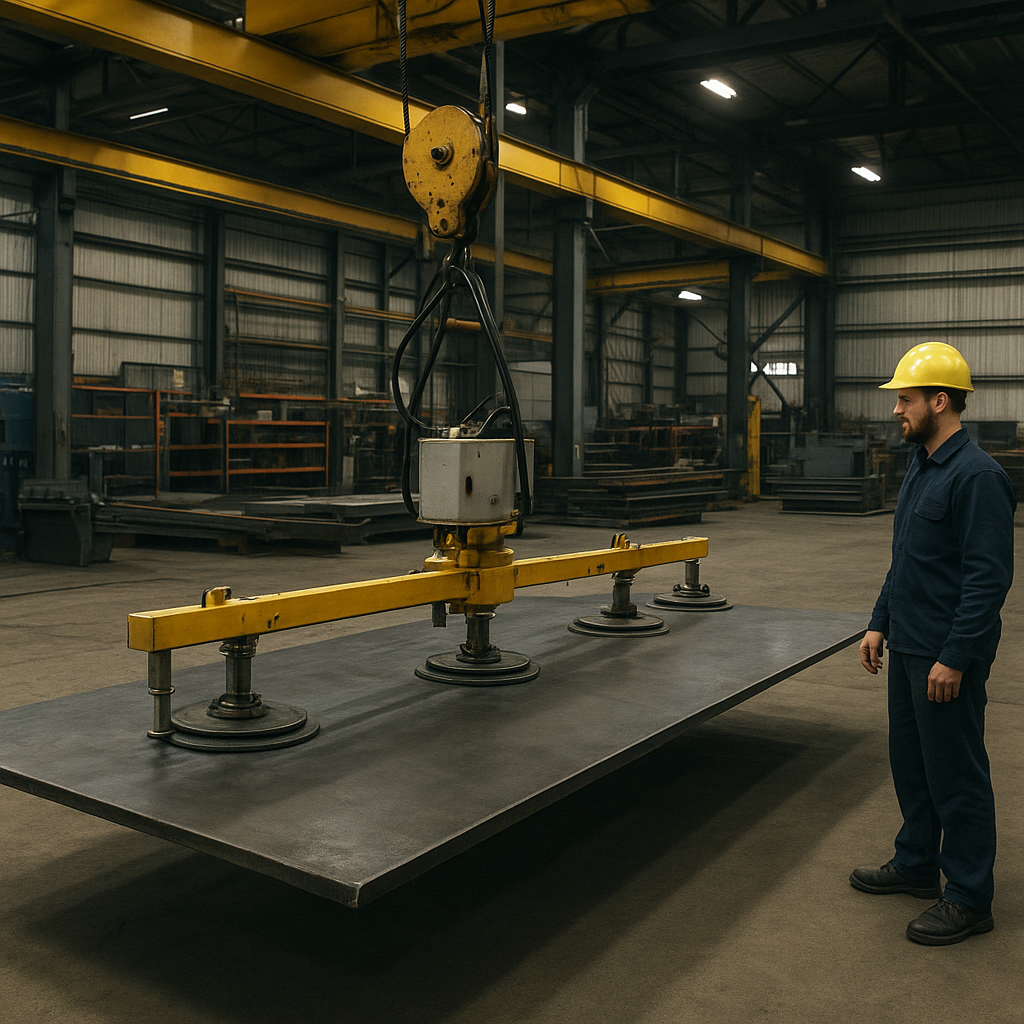
Expert Insights on Vacuum Lifting: Navigating Procurement and Operational Challenges
Vacuum lifting has become a cornerstone of modern materials handling, offering significant advantages in efficiency, safety, and versatility across a range of industrial sectors. For procurement managers, plant engineers, and operations directors, understanding the nuances of vacuum lifting technology is essential to making informed decisions that align with operational demands and regulatory compliance. This article delves into the technical complexities, practical evaluation criteria, and cost considerations that define successful vacuum lifting procurement and deployment.
Understanding the Spectrum of Vacuum Lifting Systems and Their Market Impact
Vacuum lifting equipment is not a one-size-fits-all solution. Buyers frequently encounter two primary categories of vacuum generators: electrically powered vacuum pumps and compressed air venturi systems. Each has distinct operational implications. Electric vacuum pumps, common in brands like Schmalz, offer continuous vacuum generation with higher energy efficiency and quieter operation. However, they require stable electrical supply and tend to have more complex maintenance demands. Conversely, venturi systems, which rely on compressed air, are often favoured in facilities with existing compressed air infrastructure, especially where intermittent lifting cycles prevail. Yet, they consume more energy overall and can increase operational costs if used continuously.
Another critical factor influencing equipment selection is the nature of the payload. Vacuum lifting frames vary from single-pad designs, ideal for uniform, non-porous surfaces, to multi-pad and modular systems tailored for irregular or fragile materials. For instance, in glass handling or composite panel fabrication, multi-pad vacuum lifters with individually controlled suction zones prevent damage by adapting suction force to the surface area and material sensitivity. Porous materials, such as untreated timber or certain plastics, often require specialized vacuum cups with enhanced sealing or pre-treatment (like surface coating) to ensure secure lifting.
These technical distinctions shape the used equipment market significantly. Buyers targeting scalability and flexibility may prioritise modular, multi-pad systems that can be reconfigured for different tasks, while those focused on high-volume, repetitive lifting might opt for fixed single-pad systems with robust vacuum generation. Understanding these variants helps procurement professionals anticipate future operational needs and avoid costly mismatches between equipment capabilities and application demands.
What Every Buyer Must Verify Before Investing in Vacuum Lifting Equipment
In practice, inspection and evaluation criteria for vacuum lifting equipment extend well beyond surface condition. One common pitfall is overlooking vacuum integrity during pre-purchase assessments, especially with second-hand units. Buyers should rigorously test the vacuum system for leaks by monitoring vacuum pressure stability under load conditions. The condition of seals and vacuum cups is paramount, as wear or damage can compromise lifting safety and result in costly downtime.
Mechanical components such as suspension points, articulations, and load frames must be scrutinised for signs of fatigue or deformation. These components bear the dynamic stresses of lifting and manoeuvring heavy loads, and failure here can lead to catastrophic incidents. It is advisable to request full service histories and maintenance records, ensuring the equipment has been regularly inspected and maintained according to manufacturers’ guidelines.
Compliance with current safety standards is non-negotiable. For instance, vacuum lifters used as lifting attachments are subject to BS EN 13155, which specifies safety requirements and testing protocols. Additionally, adherence to LOLER (Lifting Operations and Lifting Equipment Regulations 1998) in the UK requires valid certification and thorough examination records. Buyers should verify that the equipment holds up-to-date certificates and that any modifications or repairs have been documented and compliant with these standards.
Balancing Cost and Value: Total Cost of Ownership Considerations for Vacuum Lifters
Evaluating the total cost of ownership (TCO) is crucial when comparing new versus refurbished vacuum lifting equipment. While refurbishment can present an attractive upfront saving, it often carries hidden costs. One practical example is the availability of spare parts for older models. Brands like Piab or Schmalz maintain extensive support networks, but parts for discontinued models may have long lead times or require custom fabrication, impacting equipment uptime.
Refurbishment quality varies widely; some vendors replace only cosmetic components, leaving critical vacuum pumps or electrical systems untouched. This can lead to premature failures and increased maintenance expenditure. Warranty coverage is another consideration. New equipment typically comes with manufacturer-backed warranties, providing peace of mind that refurbished units may lack.
Operational efficiency is a further factor. Older vacuum lifters generally consume more energy, especially if fitted with legacy vacuum pumps or venturi systems. Modern units incorporate energy-saving features such as variable speed drives and intelligent control systems that reduce power consumption without compromising performance. Over a typical equipment lifecycle, these efficiencies can translate into significant cost savings, justifying higher initial investments.
Navigating Compliance and Integration: Industry Standards and Compatibility Factors
Vacuum lifting equipment must operate within a complex regulatory framework to ensure safety and legal compliance. LOLER mandates regular thorough examinations, which include functional testing of vacuum systems, structural integrity assessments, and verification of control systems. PUWER (Provision and Use of Work Equipment Regulations) also applies, requiring that equipment is suitable for its intended purpose and maintained in safe condition.
Integration with existing crane infrastructure is a frequent challenge. Load capacities must be carefully matched; a vacuum lifter with a rated load exceeding crane capacity presents a safety risk, while underutilised crane capacity can be inefficient. Control interface compatibility is another practical concern. Some older cranes use analogue controls, while modern vacuum lifters often require digital or programmable logic controllers (PLCs) for operation, necessitating bespoke control solutions or adaptors.
Specialised sectors such as glass handling or sheet metal fabrication demand bespoke vacuum lifting solutions. Glass panels require vacuum lifters with tailored suction cup materials and layouts to avoid stress concentrations, while sheet metal fabrication may require vacuum lifters with adjustable frames to accommodate varying sheet sizes and weights. Compliance with material-specific handling protocols is essential to minimise product damage and operator risk.
Real-World Procurement Scenarios Demonstrating Practical Vacuum Lifting Solutions
One scenario we encounter regularly involves a medium-sized automotive parts manufacturer seeking to replace manual handling with vacuum lifting gantries. Their challenge was to increase throughput amid growing order volumes while improving operator safety. The chosen solution featured electrically driven vacuum lifters with multi-pad suction frames, enabling safe handling of alloy engine components with irregular shapes. This upgrade reduced lifting times by 30% and nearly eliminated repetitive strain injuries.
In another case, a logistics warehouse specialising in large glass panels faced difficulties adapting to varied load dimensions. They evaluated modular vacuum lifters against fixed-frame systems. The modular option, with configurable suction pads and quick-change frames, allowed the warehouse to handle different panel sizes without investing in multiple dedicated lifters. This flexibility enhanced operational agility and reduced capital expenditure.
Meanwhile, an aluminium extrusion plant explored refurbished vacuum lifters to balance budget constraints against the need for reliable, high-cycle equipment. After thorough inspection and refurbishment by a specialist, the plant acquired units with upgraded vacuum pumps and new seals. This approach extended asset life by five years, provided warranty-backed reliability, and achieved a lower total cost of ownership compared to purchasing new equipment outright.
Addressing Common Queries from Procurement and Operations Professionals
How do I determine the right vacuum lifting capacity for variable load sizes and materials?
Determining the correct vacuum lifting capacity requires a detailed understanding of the maximum weight, surface area, and material characteristics of the loads typically handled. It is prudent to specify equipment with a safety margin of at least 25% above the maximum anticipated load to accommodate variations and ensure operational safety. Additionally, the design should consider the vacuum cup arrangement to distribute load evenly, particularly for irregular or delicate materials. Consulting with experienced suppliers and reviewing case studies in similar industries can provide valuable guidance tailored to specific operational contexts.
What maintenance routines are essential to sustain vacuum lifter performance and compliance?
Routine maintenance is vital for ensuring vacuum lifters remain safe and efficient. Key tasks include daily visual inspections of vacuum cups and seals for wear or damage, regular functional testing of vacuum sensors and alarms, and scheduled servicing of vacuum generators according to manufacturer recommendations. Detailed records of maintenance and inspections support compliance with LOLER and BS EN 13155 requirements. Neglecting these routines can lead to vacuum leaks, reduced lifting capacity, and potential safety hazards.
Can vacuum lifting equipment be safely used outdoors or in corrosive environments, and what adaptations are necessary?
Using vacuum lifting equipment outdoors or in corrosive environments requires careful specification. Exposure to moisture, dust, or chemical agents can degrade seals and electrical components, compromising reliability. Equipment intended for such conditions should feature corrosion-resistant materials such as stainless steel or specialised coatings, sealed electrical enclosures, and vacuum cups made from materials resistant to environmental degradation. Additionally, regular inspection intervals should be shortened to detect early signs of wear or corrosion. Proper training for operators on environmental considerations is also essential.
What are the risks of purchasing used vacuum lifting equipment, and how can they be mitigated through inspection and certification?
Purchasing used vacuum lifting equipment can carry risks including hidden mechanical wear, outdated components, and non-compliance with current safety standards. To mitigate these risks, buyers must conduct thorough inspections focusing on vacuum integrity, mechanical condition, and service history. Verifying the validity of safety certifications and ensuring compliance with BS EN 13155 and LOLER is critical. Engaging third-party experts for condition assessments and requesting demonstrations under load conditions can further reduce the likelihood of acquiring unsuitable equipment.
Drawing Together Practical Knowledge and Resources for Confident Vacuum Lifting Decisions
Vacuum lifting technology presents a compelling solution across many industrial applications, but its success depends on aligning equipment selection with the specific operational demands, regulatory frameworks, and long-term cost implications. An informed procurement approach that includes rigorous technical evaluation, thorough inspection, and consideration of total cost of ownership can prevent costly downtime and enhance workplace safety.
Procurement managers and plant engineers must balance immediate budget constraints against future operational efficiency and compliance risks. Whether choosing new or refurbished equipment, understanding the distinctions between vacuum generation methods, load handling capabilities, and integration requirements is essential. Practical experience reveals that overlooking these factors often results in suboptimal equipment choices and increased operational challenges.
For those seeking to explore a broad range of vacuum lifting equipment options with detailed technical specifications, the selection available at DLH Online offers a valuable resource. It provides access to trusted vacuum lifting solutions catering to diverse industrial needs, supporting professionals in making well-informed, practical decisions tailored to their unique operational contexts.