
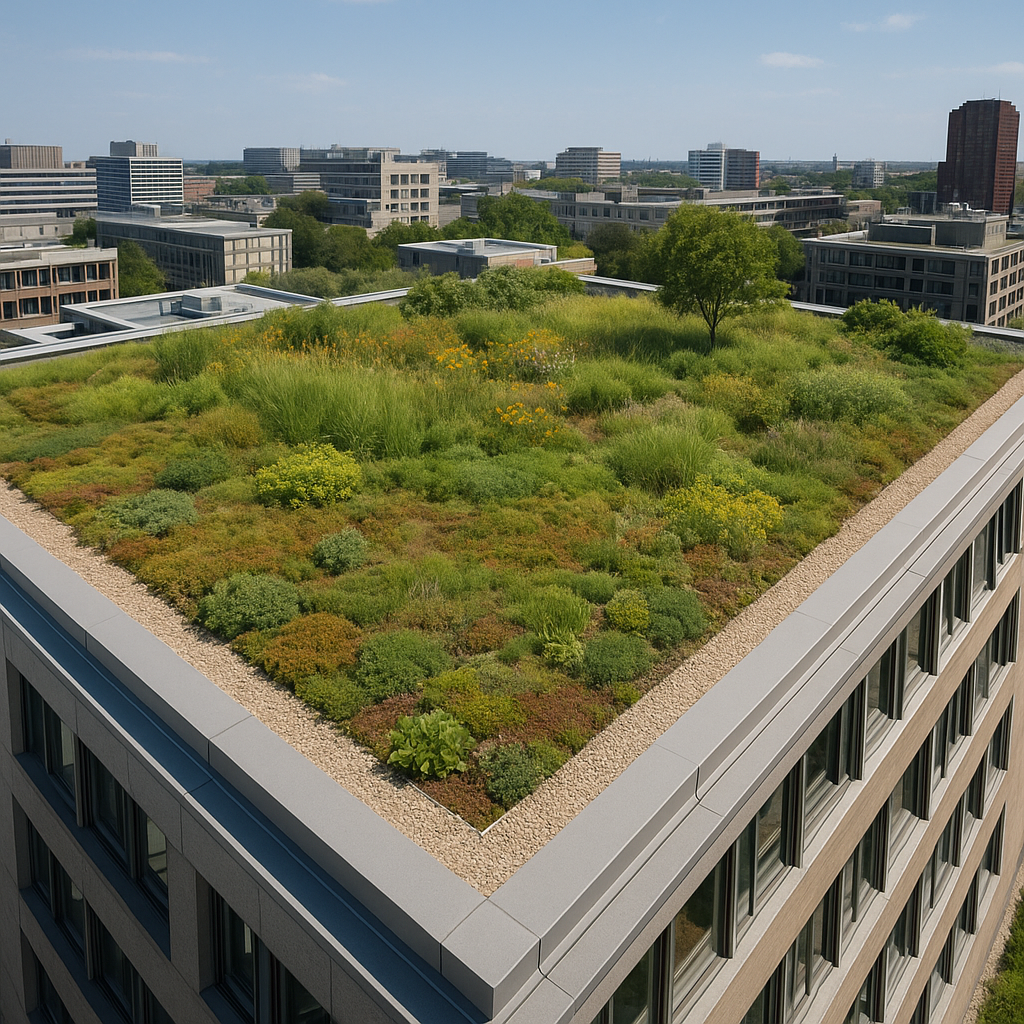
Understanding Green Roof Systems: Expert Insights for Informed Procurement and Operational Success
How advanced green roof solutions shape sustainable building strategies and operational efficiency
Green roof systems have become a pivotal element in sustainable construction and urban infrastructure projects. For procurement managers, plant engineers, and operations directors, selecting the right green roof system involves more than aesthetic preference; it is a strategic decision that impacts building performance, regulatory compliance, and lifecycle costs. The integration of vegetation on rooftops offers benefits that extend from improved thermal regulation and stormwater management to enhanced biodiversity in urban settings. However, the complexity of these systems demands technical expertise and practical experience to ensure the chosen solution aligns with the specific operational and environmental goals of a project.
Why Green Roof Systems Are a Strategic Choice for Procurement and Operations
In practice, green roof systems represent a significant opportunity to advance sustainability targets while delivering tangible operational advantages. Beyond their visual appeal, these systems contribute to passive temperature control by insulating buildings against heat loss in winter and overheating in summer. This reduces HVAC energy consumption, an important consideration for procurement when assessing long-term operational savings versus initial capital outlay.
Stormwater management is another critical factor. Green roofs retain and delay runoff, mitigating flood risks and reducing demand on urban drainage systems. For municipal projects, especially in flood-prone areas, this function can be decisive when justifying investment. Furthermore, green roofs support urban biodiversity by creating habitats for pollinators and bird species, aligning with increasing environmental regulations and biodiversity net gain (BNG) targets emerging in the UK and Europe.
Nevertheless, procurement challenges are often underestimated. Buyers frequently overlook the need to balance upfront installation costs with ongoing maintenance budgets and compliance with evolving standards. A common pitfall is selecting systems based solely on price or supplier claims without adequate technical evaluation, which can lead to premature failures or costly retrofits.
Differentiating Green Roof Systems: Extensive, Intensive, and Hybrid Solutions and Their Market Impact
Green roof systems broadly fall into three categories: extensive, intensive, and hybrid (or semi-intensive). Each type differs in substrate depth, vegetation complexity, maintenance needs, and structural demands, influencing procurement decisions and aftermarket support.
Extensive green roofs are characterised by shallow substrates typically between 50 and 150 millimetres and low-maintenance vegetation like sedums, mosses, and hardy grasses. Their lightweight nature makes them suitable for retrofit projects on existing roofs with limited load capacity. In such cases, buyers often prioritise modular systems with integrated drainage layers and lightweight soil media, sourced from manufacturers known for reliable, easy-to-install products. For example, systems using lightweight mineral soils supplied by companies like ZinCo or Optigreen are common in commercial office refurbishments where minimal disruption is critical.
Intensive green roofs resemble traditional gardens, with substrate depths exceeding 200 millimetres, supporting shrubs, small trees, and diverse plant species. These systems demand robust waterproofing membranes, root barriers, and often require irrigation infrastructure. Procurement managers handling municipal parks or large commercial developments must consider the complexity of installation and long-term maintenance contracts, including access for landscaping teams and irrigation system servicing. The market for spare parts such as irrigation valves, sensors, and replacement modules tends to be more specialised, often involving bespoke solutions.
Hybrid or semi-intensive green roofs combine features of both, offering moderate substrate depth and plant diversity. These systems are increasingly popular in industrial estates where balancing ecological benefits with functional requirements, such as supporting solar arrays or rooftop equipment, is necessary. The secondary market for components like drainage mats, filter fabrics, and root barriers is active but requires careful compatibility checks to avoid system failures.
Buyer considerations also differ significantly between retrofit and new-build contexts. Retrofitting often limits substrate depth and system weight, pushing preference towards extensive or hybrid systems. Conversely, new builds allow for more intensive solutions with integrated structural support, enabling higher biodiversity and multifunctional use.
Critical Technical Evaluation Criteria Before Selecting a Green Roof System
Due diligence in technical evaluation is essential prior to procurement commitment. One of the foremost criteria is assessing the building’s structural load capacity. Green roof systems add dead loads from substrate, vegetation, and retained water. For example, an extensive system may add 60 to 150 kilograms per square metre, while intensive systems can exceed 300 kilograms per square metre. Structural engineers must confirm that the roof can safely support these loads, including additional live loads such as maintenance personnel.
Substrate depth and composition are equally critical. Buyers should verify that soil media meet standards for weight, nutrient content, and water retention suited to the chosen vegetation. A common issue we encounter is the use of inappropriate media that either dry out too quickly or retain excessive moisture, leading to plant stress or premature membrane degradation. Quality control should include sampling and laboratory analysis where possible.
Waterproofing membranes and root barriers form the system’s protective backbone. These components must be compatible; for instance, some polymeric root barriers can chemically react with certain bituminous membranes, compromising integrity. Familiarity with products like GAF’s EverGuard or Sika’s root-resistant membranes is beneficial when specifying systems. Inspection protocols should confirm membrane uniformity, absence of punctures, and proper detailing at penetrations and edges.
Drainage layers and modular components require scrutiny as well. Effective drainage prevents waterlogging and reduces load stress. Buyers should check the permeability rating and compressive strength of drainage mats or boards. Modular trays or panels, increasingly used in urban retrofit projects, must be inspected for fit and secure interlocking to prevent displacement during installation or high winds.
Total Cost of Ownership and Value: Beyond Initial Procurement Price
While upfront costs often dominate procurement discussions, total cost of ownership (TCO) provides a more comprehensive perspective. Installation complexity varies widely; for example, intensive green roofs may require specialist contractors and longer project timelines, increasing initial expenditure. However, these systems often deliver higher energy savings and extended service life.
Maintenance cycles are a significant consideration. Extensive roofs typically require biannual inspections and minimal upkeep, whereas intensive roofs involve regular irrigation, fertilisation, and pruning. Procurement managers should evaluate contract terms for maintenance services and consider in-house capability versus outsourcing. The availability and lead times of spare parts such as irrigation components, membrane repair kits, or soil amendments also affect operational continuity. In one scenario involving a healthcare facility retrofit, delayed delivery of root barrier replacements led to a temporary suspension of rooftop access, illustrating the risks of poor supplier support.
Comparing older systems with modern innovations is crucial. Advances in substrate formulations, such as the incorporation of hydrophilic polymers, have improved water retention and reduced irrigation needs. Similarly, new membranes offer enhanced UV and chemical resistance, extending system lifespan. Refurbishment feasibility depends on the condition of these components; replacing membranes can be costly and disruptive, so buyers should assess refurbishment history and residual warranty periods when acquiring existing systems or refurbishing aged installations.
Navigating Compliance, Standards, and Integration with Building Regulations
Green roof procurement must align with relevant British and European standards. BS 8616 is a key specification providing guidance on substrate depth, vegetation types, and construction details. Compliance with this standard ensures system durability and performance. Additionally, achieving BREEAM credits for sustainable building design often requires documented environmental benefits from green roof systems, such as improved stormwater management and biodiversity enhancement.
Environmental regulations increasingly influence design choices. Urban runoff reduction targets set by local authorities may mandate minimum retention volumes, dictating substrate composition and drainage capacity. Biodiversity net gain obligations require evidence of habitat creation or enhancement, influencing plant species selection and maintenance regimes.
Integration with existing building services is a practical challenge. Roof penetrations for ventilation or solar mounting must be carefully detailed to maintain waterproofing integrity. Structural load limits imposed by local codes may restrict substrate depth or require reinforcement, especially in seismic zones or areas with heavy snow loads. Coordination with building control authorities and early engagement with structural engineers can prevent costly redesigns.
Real-World Procurement Scenarios Highlighting Sector-Specific Challenges and Solutions
A municipal office complex retrofit in the Midlands illustrates a common challenge. The existing roof had limited load capacity, ruling out intensive systems. Procurement managers specified an extensive green roof with a lightweight mineral substrate and modular trays sourced through ABG Building Solutions. Tight installation windows during autumn required close scheduling with suppliers and contractors to avoid delays that could expose the waterproof membrane to winter weather. The project succeeded in meeting urban runoff reduction targets and delivered noticeable thermal comfort improvements.
At an industrial estate warehouse in the South East, an intensive green roof was installed to support an integrated solar panel array. Coordination between green roof suppliers and renewable energy contractors was essential to ensure panel mounts did not compromise root barriers or drainage. The procurement team evaluated multiple system proposals, prioritising those with proven compatibility and robust warranties. This hybrid approach maximised roof utility, combining ecological benefits with energy generation.
In a commercial retail park refurbishment in Greater London, procurement managers faced budget constraints but required long-term reliability. They balanced upfront costs against warranty terms and supplier reputation, eventually selecting a system featuring proven waterproof membranes and modular soil trays available from ABG Building Solutions. The decision was informed by detailed reference checks and assessment of spare parts availability, demonstrating the importance of supplier credibility in complex projects.
Addressing Common Questions from Procurement and Operations Professionals
How do green roof system types affect ongoing maintenance complexity and costs, especially in multi-storey versus single-storey buildings?
Maintenance demands vary significantly with system type. Extensive roofs generally require minimal interventions, suitable for multi-storey buildings where access is limited or costly. Intensive roofs, with their diverse plant species and irrigation needs, often incur higher costs and necessitate regular access for horticultural care. Multi-storey installations may face logistical challenges for maintenance teams, sometimes requiring specialised equipment or safety measures. Single-storey buildings typically allow easier access, reducing maintenance complexity regardless of roof type, but the system choice still influences frequency and scope of upkeep.
What inspection protocols should be mandated before acceptance of a green roof installation to avoid common failures?
Pre-acceptance inspections should verify membrane integrity, checking for punctures, blisters, or incomplete seams. Substrate depth and uniformity must be confirmed against specifications, as uneven layers can cause plant stress or water pooling. Drainage components should be tested for permeability and secure installation. Visual assessment of plant health, where vegetation is already established, helps identify early issues. Documentation of material certifications and installation records is essential to support warranty claims and future maintenance planning. Engaging third-party specialists for detailed inspections can mitigate risks often overlooked by in-house teams.
In what ways does substrate composition influence plant species selection and system sustainability under varying UK weather patterns?
Substrate composition dictates water retention, nutrient availability, and thermal buffering, directly impacting plant viability. For example, sedum species favoured in extensive roofs tolerate shallow, well-drained substrates with low nutrient content, making them resilient to drought and frost common in the UK climate. Conversely, intensive roofs with deeper, nutrient-rich soil support a broader range of species but require irrigation during dry spells. Selecting substrate blends that balance moisture retention with drainage is critical to prevent root rot or drought stress, ensuring system sustainability throughout seasonal variations.
How do procurement managers evaluate supplier credibility and product guarantees in a market with diverse manufacturers and solution providers?
Supplier credibility is assessed through a combination of factors including track record, client references, and product certifications. Managers often request case studies or site visits to verify performance claims. Product guarantees should cover both materials and workmanship, with clear terms on warranty duration and conditions. Availability of spare parts and technical support networks is scrutinised to minimise downtime risks. Established suppliers like those featured on ABG Building Solutions are valued for their comprehensive portfolios and consistent after-sales support, which provide additional assurance in complex procurement scenarios.
Bringing It All Together: Making Informed Decisions on Green Roof Systems with Industry Expertise
Selecting a green roof system is a multifaceted decision that requires a blend of technical knowledge, operational foresight, and regulatory awareness. Buyers who invest time in understanding substrate dynamics, structural constraints, and maintenance implications position themselves to achieve sustainable outcomes that extend well beyond installation. Real-world experience demonstrates that early engagement with suppliers and consultants, alongside rigorous inspection protocols, mitigates common pitfalls and enhances value over the asset’s lifecycle.
Moreover, considering total cost of ownership rather than just initial price reveals the true financial impact of different system types. Modern materials and innovative design approaches continue to evolve, offering improved performance and reduced maintenance burdens. However, these benefits must be weighed against refurbishment feasibility and spare parts availability, especially when managing older installations or large-scale retrofits.
For procurement professionals seeking detailed technical guidance and tailored green roof solutions, resources such as ABG Building Solutions provide an extensive portfolio and expert support. Their experience across diverse sectors, from commercial developments to municipal infrastructure, helps buyers navigate complex requirements and make informed decisions that deliver measurable environmental and operational benefits.