
In-Depth Insights into Rock Sweets: A Strategic Consideration for Promotional Confectionery Procurement
Rock sweets have long held a special place in the confectionery world, combining visual appeal with nostalgic charm. For procurement managers and operations directors in promotional merchandise sectors, understanding the complexities behind rock sweets is essential. These sweets are more than just colourful candy sticks; they represent a strategic choice that impacts brand engagement, logistical planning, and compliance management. This article delves into the technical, operational, and regulatory dimensions of rock sweets, providing expert insights for decision-makers navigating this specialised product category.
Understanding the Strategic Value of Rock Sweets in Promotional Campaigns
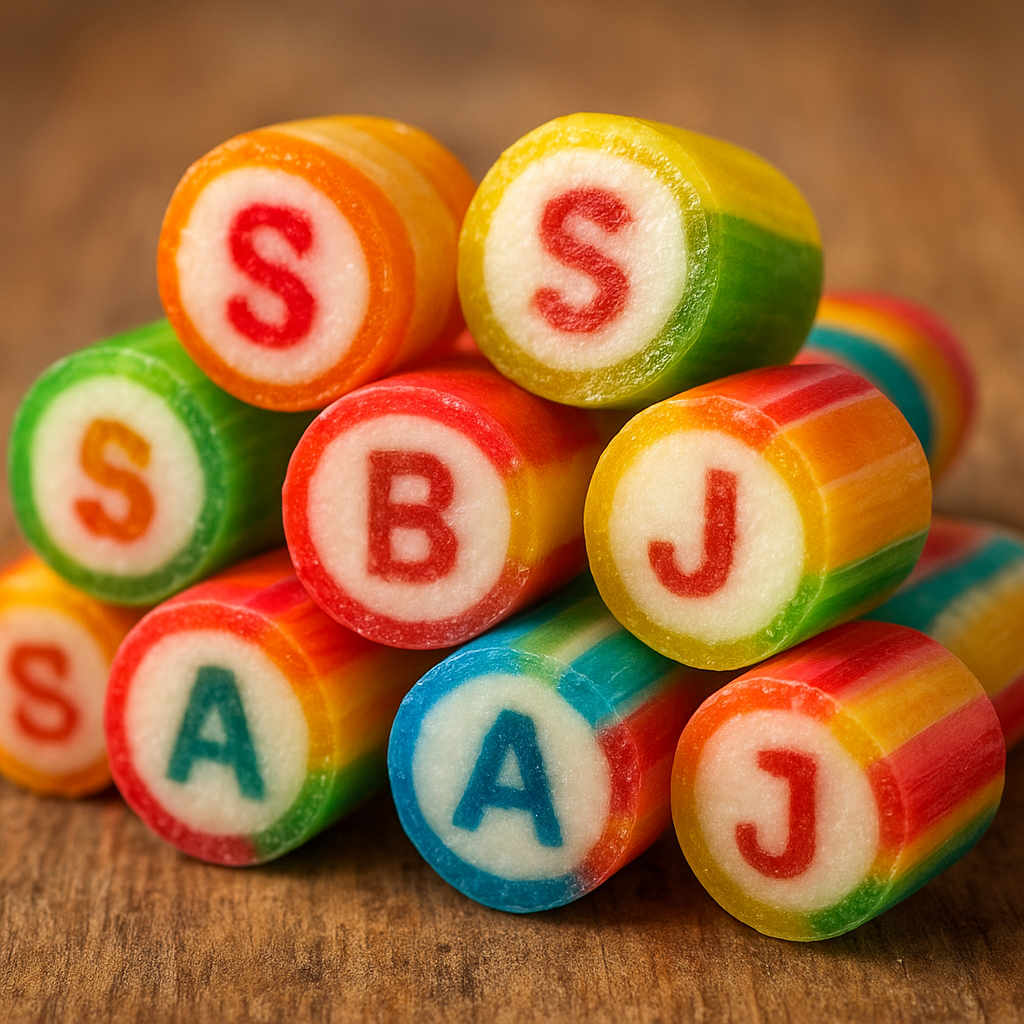
Rock sweets stand out in promotional confectionery due to their tactile nature and vivid, often personalised designs. Unlike many other sweets, their cylindrical shape and embedded lettering or patterns offer an immediate visual connection to a brand or message. This makes them particularly effective at events, retail promotions, and corporate gifting where distinctiveness can drive consumer recall.
From an operational perspective, incorporating rock sweets into merchandise portfolios requires balancing the uniqueness of the product with practical considerations. For example, while rock sweets can elevate a promotional campaign’s aesthetic, they demand careful handling in packaging and distribution to prevent damage such as surface cracking. Moreover, their relatively rigid form factor affects packing density, influencing shipping costs and storage requirements.
In sectors such as event management, retail chains, and corporate gifting, rock sweets often complement broader confectionery procurement strategies. Event organisers frequently leverage their novelty for giveaways that align with themed campaigns, while retail chains may integrate rock sweets into seasonal bundles where shelf appeal and brand messaging are paramount. Corporate gifting companies tend to appreciate the customisation potential, using lettered sweets to create personalised experiences for clients and partners.
Variants of Rock Sweets and Their Influence on Procurement Decisions
Not all rock sweets are created equal. The primary variants include traditional cylindrical rock sweets, lettered or customised rock sweets, and novelty-shaped versions. Each variant introduces specific manufacturing complexities that affect procurement considerations.
Traditional rock sweets, often found in seaside resorts, are typically uniform in diameter with simple striped patterns. Their production commonly involves continuous extrusion followed by cutting and cooling. Lettered rock sweets, however, require an intricate layering and assembling process to embed precise lettering or logos throughout the length of the candy. This complexity increases manufacturing time and costs, and demands suppliers with specialised craftsmanship and equipment.
Novelty-shaped rock sweets, such as hearts or seasonal motifs, add another layer of complexity. These variants often require bespoke moulds or cutting dies, which influence minimum order quantities and lead times. For buyers, understanding these differences is crucial because they directly impact pricing, availability, and the feasibility of rapid turnaround orders.
Beyond shape and design, sugar composition and formulation also vary among rock sweets. Variants with higher sugar crystallisation can be more prone to surface cracking but might offer enhanced flavour retention. Colour stability is another consideration; certain dyes degrade faster under light or heat, shortening shelf life and complicating storage logistics. Buyers must assess these factors relative to their distribution environments and anticipated shelf duration.
The choice of variant also dictates equipment requirements. Smaller artisanal producers may rely on hand-crafted production lines, whereas larger manufacturers deploy automated extrusion and high-speed cutting machinery. Each option carries implications for product consistency, cost, and scalability.
Critical Technical Criteria for Evaluating Rock Sweets Before Purchase
Technical evaluation of rock sweets extends beyond visual inspection. Buyers should prioritise product consistency, focusing on uniformity of diameter, clarity and precision of embedded lettering, and resistance to surface defects such as cracking or bloom. In practice, inconsistent diameter often signals process instability, which can lead to packaging inefficiencies and consumer dissatisfaction.
Letter clarity is a paramount quality indicator, especially for lettered rock sweets used in branding. Blurred or skewed lettering may arise from inadequate temperature control during extrusion or insufficient curing times. Buyers often overlook this during initial sampling, only to discover issues at scale that disrupt promotional timelines.
Packaging integrity must be scrutinised carefully. Rock sweets are hygroscopic and susceptible to moisture ingress, which can cause stickiness or microbial growth. Compliance with food safety standards such as BRC Food Safety and HACCP is mandatory, and packaging materials should provide adequate barrier properties. Buyers should request certificates of analysis and audit reports from suppliers to verify adherence to these standards.
Supplier capability is another critical factor. For custom lettered rock sweets, lead times can vary significantly depending on the complexity of the design and batch size. Minimum order quantities often reflect the setup time and cost of tooling. In one scenario encountered in the corporate gifting sector, a buyer underestimated the lead time for a bespoke lettered design, resulting in delayed product delivery. Early supplier engagement and clear communication of design specifications can mitigate such risks.
Total Cost of Ownership and Operational Efficiency in Rock Sweets Procurement
Procurement decisions should be informed by total cost of ownership rather than headline price alone. While rock sweets may appear premium, spoilage rates and storage demands can substantially affect overall value. For example, sweets with poor colour retention or high moisture sensitivity require climate-controlled environments, increasing warehousing costs.
Where production or customisation occurs in-house, machinery considerations become paramount. Buyers frequently consider legacy equipment from manufacturers like Bosch or JBT, which offer proven reliability but may suffer from spare parts scarcity and longer maintenance downtimes. The availability of replacement parts and technical support should be factored into cost assessments, as unplanned equipment failures can halt production and delay order fulfilment.
Operational efficiency also benefits from suppliers who offer flexible batch sizes and rapid turnaround times. Inventory holding costs can be minimised by aligning production schedules closely with demand forecasts. Some suppliers provide just-in-time delivery models, which reduce capital tied up in stock and mitigate risks associated with product expiry.
Navigating Compliance and Compatibility in Confectionery Supply Chains
Food safety regulations in the UK and EU impose strict requirements on rock sweets, including accurate labelling of ingredients, allergens, and nutritional information. Buyers must ensure suppliers comply with these legal obligations to avoid recalls or reputational damage. Traceability is especially critical when dealing with promotional confectionery, as clients in sectors such as healthcare or education may demand comprehensive documentation to meet corporate social responsibility standards.
Compatibility with point-of-sale display standards is another consideration. Rock sweets intended for retail must fit within existing merchandising formats or require bespoke packaging solutions. Packaging must protect the sweets while allowing clear visibility of branding elements, which can be challenging given the sweets’ cylindrical form and vibrant colour patterns.
Real-World Procurement Challenges and Solutions in the Confectionery Sector
One common challenge arises in the events sector, where a mid-sized organiser sought lettered rock sweets for a large-scale festival. The initial procurement plan underestimated the customisation complexity, resulting in lead time overruns. By establishing a direct line of communication with the supplier and adjusting event timelines, the organiser successfully secured the sweets without compromising quality. This case underlines the importance of early engagement and realistic scheduling.
Retail chains integrating rock sweets into seasonal promotional bundles face volume forecasting challenges. A regional supermarket chain experienced surplus inventory due to overestimating demand for a Christmas campaign. Incorporating dynamic sales data and maintaining flexible order agreements with suppliers helped optimise stock levels in subsequent campaigns.
Corporate gifting companies frequently balance aesthetic demands with compliance to dietary restrictions. For example, a multinational client required sugar-free lettered rock sweets free from common allergens. Procuring such specialised variants necessitated working with suppliers who could guarantee formulation transparency and certification, ensuring client satisfaction while maintaining brand integrity.
Common Queries from Procurement and Operations Teams Regarding Rock Sweets
What are the main quality parameters to verify during incoming inspection of rock sweets?
Incoming inspection should focus on dimensional consistency, verifying that the diameter of each sweet aligns with agreed tolerances to ensure uniform packaging and presentation. Lettering clarity must be checked under appropriate lighting to detect any blurring or colour bleeding, which can impair brand messaging. Additionally, surface integrity is critical; signs of cracking or moisture damage can indicate storage or transport issues. Packaging should be intact, with seals unbroken and barrier properties confirmed to preserve freshness.
How do custom lettered rock sweets affect production timelines compared to standard variants?
Custom lettered rock sweets require more intricate manufacturing processes, as each letter or design must be carefully constructed within the candy matrix. This layering and assembly extend production time, often necessitating longer curing periods to set the embedded lettering properly. Consequently, lead times are typically longer than for standard rock sweets, and minimum order quantities may be higher to justify setup costs. Early planning and detailed specification sharing with suppliers are essential to manage expectations and avoid delays.
What equipment considerations should be made when planning to produce or personalise rock sweets in-house?
In-house production demands specialised extrusion and cutting machinery capable of maintaining consistent temperature and pressure to preserve product quality. Equipment must allow precise control over layering processes for lettered variants. Maintenance access and spare parts availability should be evaluated, particularly if sourcing second-hand machines from brands like Bosch or JBT. Additionally, operators require training to manage nuanced processes such as temperature calibration and product cooling to prevent defects like cracking or uneven lettering.
How can buyers ensure compliance with food safety and labelling standards while maintaining creative freedom in promotional confectionery?
Balancing compliance and creativity involves partnering with suppliers knowledgeable in food safety regulations such as BRC and HACCP. Buyers should request detailed ingredient disclosures and allergen declarations early in the design phase to incorporate necessary labelling without compromising on visual impact. Working with suppliers who offer flexible packaging solutions can help integrate regulatory information discreetly. Furthermore, maintaining traceability throughout the supply chain ensures accountability and facilitates rapid response if issues arise.
Bringing It All Together: Making Informed Choices for Lettered Rock Sweets in Promotional Campaigns
Choosing rock sweets for promotional purposes involves far more than selecting an attractive confectionery item. The nuances of rock sweet variants, from traditional cylindrical forms to bespoke lettered designs, carry operational implications that influence cost, quality, and compliance. Procurement managers and operations directors must apply a detailed understanding of production methods, inspection criteria, and supplier capabilities to secure products that align with both marketing objectives and regulatory requirements.
In practice, buyers frequently overlook key factors such as lead times for customisation or the fragility of the product during transport, leading to costly delays or product inconsistencies. Considering total cost of ownership, including storage needs, spoilage risk, and machinery maintenance, is vital for sustaining efficiency and value. Additionally, compliance with food safety standards and compatibility with packaging and display systems cannot be compromised, especially in sectors with heightened scrutiny.
For those seeking reliable, high-quality options, lettered rock sweets represent a compelling synthesis of tradition and brand engagement. Platforms such as Promotional Candy offer valuable resources for sourcing these specialised sweets, providing detailed specifications and responsive supply chains that address the practical challenges outlined here. Their offering of lettered rock sweets is well-positioned to support procurement professionals aiming for precision customisation within a robust compliance framework. Engaging with such suppliers enables organisations to harness the full potential of rock sweets in their promotional campaigns with confidence and clarity.