
Expert Considerations for Procuring Thermal Rolls in Retail and Point of Sale Environments
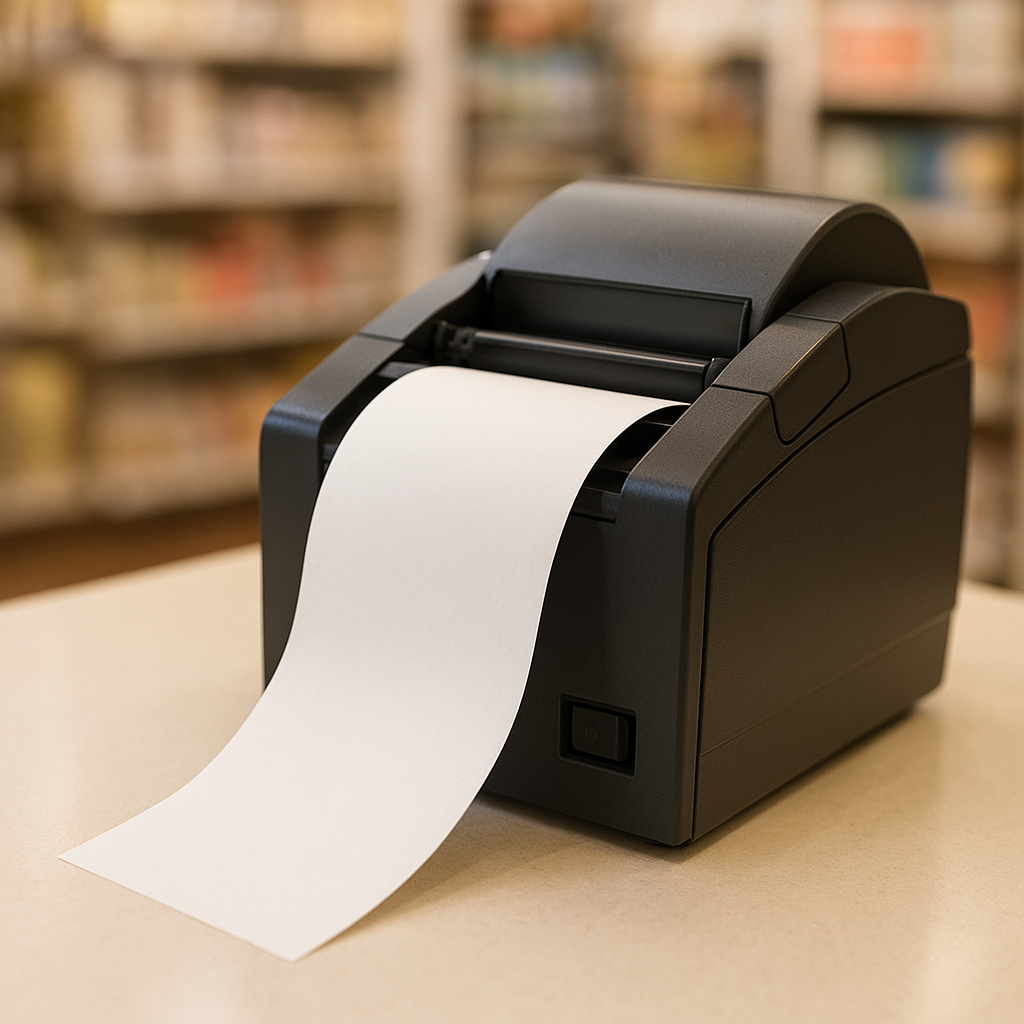
Thermal rolls are a critical yet often underestimated consumable in retail, hospitality, and logistics operations. Their role extends beyond simply supplying paper for printing receipts or tickets. The quality and compatibility of thermal rolls can directly influence transaction speed, print legibility, and the longevity of point of sale (POS) equipment. For procurement managers, plant engineers, and operations directors, understanding the technical nuances and operational impacts of thermal rolls is essential to making informed purchasing decisions that support both cost efficiency and service reliability.
Understanding the Critical Role of Thermal Rolls in Retail and Hospitality Operations
In practice, the choice of thermal rolls affects much more than just paper supply. Poor-quality rolls can cause printhead damage, resulting in costly downtime and repairs. For example, in a retail chain with multiple outlets, inconsistent thermal paper quality often leads to frequent printer jams and faded receipts, eroding customer confidence and slowing checkout times. Speedy transactions rely on crisp, clear printouts that are produced reliably every time.
One common procurement challenge is balancing cost with quality. Buyers frequently focus on the immediate price per roll rather than the total operational cost, which includes printer maintenance and replacement frequency. Moreover, compatibility issues arise when the thermal roll dimensions or coatings do not match the printer specifications, often overlooked in bulk purchasing. Knowing the specific make and model of POS printers and their usage patterns—such as daily print volume and environmental conditions—is crucial in avoiding supply mismatches and operational disruptions.
Distinguishing Thermal Roll Variants and Their Implications for Equipment Compatibility
Thermal rolls primarily come in two variants: direct thermal and thermal transfer. Most POS systems utilise direct thermal rolls, which are coated with heat-sensitive chemicals that blacken when heated by the printer’s thermal printhead. Thermal transfer rolls, by contrast, require a ribbon to transfer ink onto standard paper, typically used in label printing rather than receipt printing.
Within direct thermal rolls, variations in roll width, diameter, and core size significantly affect printer compatibility and performance. For instance, a typical retail POS printer like those from Epson or Star Micronics often requires rolls with a 76mm width and a 12mm core diameter. A mismatch here can cause feeding errors or printer jams. Similarly, roll diameter influences how frequently rolls need replacing, which impacts operational efficiency. Larger diameter rolls reduce downtime but may not fit compact printers designed for smaller cores.
Paper grade is another key consideration. Higher-grade thermal paper provides better print longevity and resistance to fading, which is vital in sectors like hospitality where customers may need to retain receipts for extended periods. Specialty thermal papers may include anti-smudge coatings or enhanced chemical sensitivity to improve print quality under high-use conditions or exposure to moisture. For example, hotel front desks often switch to thermal rolls with protective coatings to ensure printed folios remain legible despite handling and humidity.
Practical Inspection Criteria to Ensure Thermal Rolls Meet Performance and Durability Standards
Before committing to a thermal roll purchase, buyers should perform several technical checks. Visual inspection can reveal inconsistencies in the coating, such as uneven surfaces or visible defects that might cause printhead damage. The tightness of the roll winding is important; loosely wound rolls can lead to printer feed errors and jams. Core integrity must also be checked to ensure the roll fits securely on the spindle, preventing slippage during printing.
Real-world print tests are invaluable. Running sample prints allows evaluation of the thermal sensitivity and reaction time of the paper. A high-quality thermal roll should produce crisp, clear printing with uniform blackening and minimal fading over time. This is particularly important in environments where receipts may be exposed to heat or sunlight, such as outdoor markets or food service counters.
Moisture and heat resistance are technical properties that affect thermal roll performance in specific environments. In high-humidity locations like supermarkets or restaurants, rolls that absorb moisture can degrade print quality and clog printers. Selecting rolls with protective coatings or moisture-resistant formulations can mitigate these issues and extend printer life.
Evaluating Total Cost of Ownership: More Than Just Price Per Roll
In procurement scenarios, the total cost of ownership (TCO) for thermal rolls includes more than the purchase price. Lower-quality rolls may appear cheaper but can accelerate wear on printer printheads due to abrasive coatings or dust particles embedded in the paper. This leads to increased maintenance costs and unexpected downtime, which can be far more expensive than paying a premium for superior consumables.
Lead times and supplier reliability also impact TCO. A multi-site retail chain we worked with experienced frequent stockouts because their supplier failed to deliver thermal rolls on time, causing printers to run out mid-shift. This disrupted operations and required costly emergency orders. Suppliers offering flexible delivery options and consistent availability help avoid such pitfalls.
Additionally, for operations using legacy POS printers, spare parts availability and refurbishment support must be factored in. Older equipment from manufacturers like Zebra or Star Micronics may require specific core sizes or paper grades that are no longer standard. Procuring compatible thermal rolls and maintaining a stock of spare parts ensures continuity without forcing expensive equipment upgrades prematurely.
Compliance and Compatibility: Navigating Industry Standards and Equipment Requirements
Compliance with industry standards is a critical consideration, especially in sectors with stringent safety or quality regulations. For example, thermal rolls used in public transport or hospitality may need to comply with EN 45545, which addresses fire retardancy requirements for materials used in public spaces. Similarly, suppliers adhering to BS EN ISO 9001 quality management standards provide assurance of consistent product quality and traceability.
Health and safety regulations also influence thermal roll selection. In food retail or pharmaceutical environments, thermal paper must be free from harmful substances and often subject to hygiene protocols. Some suppliers provide thermal rolls certified for food contact safety, which is crucial for compliance and customer safety.
Compatibility challenges arise when integrating thermal rolls with different POS hardware. Newer printers from Epson, for example, may have advanced feeding mechanisms requiring specific roll core dimensions and paper thicknesses. Older printers may be more tolerant but less efficient. Matching thermal roll specifications precisely to the printer model prevents feed errors and extends printer lifespan.
Real-World Procurement Challenges and Solutions in High-Volume Retail and Hospitality Settings
A multi-branch convenience store chain we consulted for faced inconsistent print quality because they sourced thermal rolls from multiple suppliers to cut costs. The variation in paper grade and core size caused frequent jams and faded receipts, frustrating staff and customers alike. By standardising on a single supplier offering consistent roll specifications and quality assurances, the chain improved operational reliability and reduced printer maintenance by 30 per cent within six months.
In the hospitality sector, a busy hotel reception upgraded to thermal rolls with anti-smudge coatings to prevent print fading on customer folios. Previously, guests complained that receipts became illegible after handling or exposure to moisture. The switch enhanced customer satisfaction and reduced reprinting rates, demonstrating the value of selecting rolls tailored to environmental conditions.
Another case involved a logistics distribution centre where mismatched roll core sizes caused frequent printer jams on dispatch lines. The issue arose because procurement had overlooked the spindle diameter compatibility for label printers from Zebra. Correcting the roll specification eliminated jams and improved dispatch efficiency, highlighting the importance of technical detail in consumable procurement.
Addressing Common Queries from Procurement and Operations Professionals
What factors determine the lifespan of a thermal roll in continuous-use environments? The durability of a thermal roll depends on the quality and uniformity of its chemical coating, the storage conditions, and the printer’s calibration settings. High humidity or exposure to heat can prematurely degrade the paper’s sensitivity, leading to fading. Proper storage in cool, dry conditions and routine printer maintenance help extend roll lifespan in high-volume operations.
How critical is roll core diameter, and what mistakes do buyers often make when specifying it? Roll core diameter is essential for ensuring secure and smooth feeding through the printer. Buyers often overlook variations in core size between manufacturers, resulting in loose fitting, slipping, or jamming. It is crucial to check the printer’s spindle specifications and confirm the supplier’s core size to maintain compatibility.
Can cheaper thermal rolls cause long-term equipment damage? Yes, substandard thermal rolls may contain abrasive particles or uneven coatings that accelerate printhead wear, leading to premature failure. Dust and paper debris from low-quality rolls can accumulate inside printers, increasing maintenance frequency and downtime. Investing in higher-quality thermal rolls reduces these risks and protects expensive hardware.
How to evaluate supplier reliability beyond price? Assessing supplier reliability involves examining delivery schedules, responsiveness of customer support, and consistency of batch quality. Suppliers with transparent quality control processes and positive client references typically provide more dependable service. Flexibility in order quantities and lead times is also important to accommodate fluctuating demand.
Bringing It All Together: Making Informed Thermal Roll Choices That Support Operational Efficiency
Thermal rolls are deceptively simple consumables that play a vital role in the smooth operation of retail and point of sale environments. The decision to select the right thermal roll extends far beyond cost per unit. It involves careful consideration of paper type, dimensions, coating quality, and compatibility with specific POS hardware. Buyers frequently overlook these technical details and the supplier’s ability to deliver consistent quality, which can lead to costly printer downtime and customer dissatisfaction.
Understanding the differences between direct thermal variants, the impact of paper grades on print durability, and the importance of matching roll core sizes ensures that procurement decisions are grounded in operational reality. Furthermore, factoring in total cost of ownership—including maintenance implications, lead times, and supplier reliability—enables organisations to avoid common pitfalls associated with cheap or incompatible thermal rolls.
For procurement professionals seeking a comprehensive and reliable source of thermal rolls tailored to various retail and hospitality needs, the range offered by BPC UK provides detailed product specifications and expert guidance. This resource supports more informed buying decisions, helping operations directors and plant engineers maintain efficiency and continuity in their point of sale systems.