
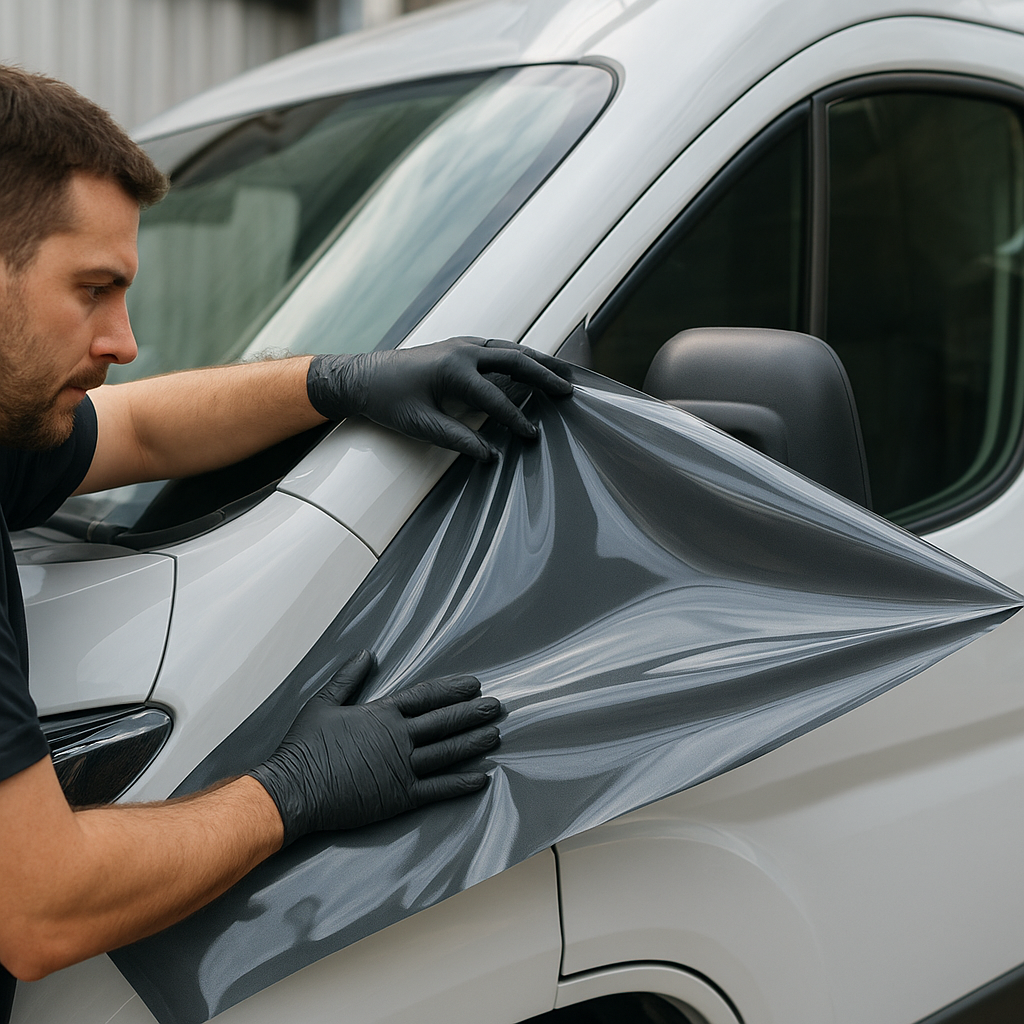
Expert Perspectives on Vehicle Wrap Vinyl for Strategic Procurement and Operational Efficiency
Vehicle wrap vinyl is a pivotal element in the commercial vehicle customisation and fleet branding landscape. Its selection goes far beyond aesthetics, influencing durability, application ease, and overall lifecycle costs. For procurement managers and operations directors, understanding the technical nuances and market dynamics of vehicle wrap vinyl is essential to making informed decisions that align with operational goals and budget constraints. This article draws on practical industry experience and technical insight to guide buyers through the complexities of vehicle wrap vinyl procurement, highlighting critical evaluation criteria, cost considerations, compliance factors, and real-world applications.
Understanding Vehicle Wrap Vinyl as a Critical Procurement Choice
In practice, vehicle wrap vinyl is far more than a decorative film; it is a functional asset that directly affects fleet presentation, asset protection, and maintenance scheduling. For companies deploying large fleets—whether logistics providers, municipal services, or automotive dealerships—the choice of vinyl impacts not only initial appearance but also long-term operational efficiency.
Procurement decisions around vehicle wrap vinyl must account for durability under diverse environmental conditions, the complexity and time required for application, and the anticipated lifecycle before re-wrap or repair is necessary. For example, a logistics operator with a fleet operating across the UK’s varied climate zones will prioritise UV resistance and dimensional stability to minimise shrinkage and cracking. Conversely, a promotional vehicle used seasonally might accept shorter lifespan vinyl to reduce upfront costs.
Beyond the vinyl itself, the selection process intersects with broader supply chain management. Reliable supply continuity, vendor responsiveness, and product consistency become as important as the film’s technical properties. Delays in receiving material can cascade into fleet downtime or missed marketing windows, affecting brand image and operational schedules. Hence, procurement managers must integrate vehicle wrap vinyl sourcing into their vendor management frameworks to ensure seamless project delivery.
Differentiating Vehicle Wrap Vinyl Types and Their Market Influences
A fundamental distinction in vehicle wrap vinyl lies between cast and calendered films, each with distinct manufacturing processes that dictate performance characteristics and application suitability. Cast vinyl is produced by casting liquid vinyl onto a carrier sheet, resulting in a thin, dimensionally stable film with excellent conformability. This makes cast vinyl the preferred choice for complex curves and long-term applications, commonly seen on high-end vehicle wraps or fleet branding where longevity is critical.
Calendered vinyl, on the other hand, is created by extruding vinyl through rollers, producing a thicker, less dimensionally stable film. While it is generally more cost-effective, calendered vinyl is prone to shrinkage over time and is best suited for flat or gently curved surfaces. This type of vinyl is popular in short-term or budget-conscious projects, such as temporary signage or promotional vehicles with limited exposure.
Specialty vinyl variants including textured films, metallic finishes, and high-performance options add another layer of complexity. For example, automotive dealerships often require metallic or pearlescent films to match vehicle paint colours precisely in promotional wraps. Similarly, logistics firms operating refrigerated fleets might seek vinyls with enhanced weather and chemical resistance to withstand frequent washdowns and harsh environments.
The choice between cast and calendered vinyl also influences the secondary market for wrap equipment. Cast vinyl’s delicate, thin nature demands precision application tools and skilled operatives, whereas calendered vinyl allows for more forgiving handling. Consequently, companies refurbishing used wrap machinery or evaluating resale value must consider the typical vinyl types their equipment will process.
Critical Technical Evaluation Criteria Before Committing to Purchase
Technical due diligence is paramount before committing to a vehicle wrap vinyl purchase. Adhesion properties are a primary consideration, as insufficient bonding to vehicle surfaces can lead to premature peeling or bubbling. In practice, buyers frequently overlook the importance of conducting adhesion tests on representative vehicle substrates, especially when dealing with mixed fleet paint finishes or pre-existing surface treatments.
Film thickness and dimensional stability are equally important. Thicker films may offer enhanced durability but can present challenges around sharp edges and intricate mouldings. Shrinkage rates must be assessed, particularly for calendered vinyls, as excessive shrinkage can cause edge lifting and visual defects. These factors are best evaluated through sample testing under simulated environmental conditions, such as temperature cycling and humidity exposure.
Release liners and adhesive types also affect installation workflow. Permanent adhesives provide strong long-term bonds but offer limited repositionability, increasing the risk of installation errors. Conversely, repositionable adhesives allow installers to adjust positioning during application but may compromise ultimate adhesion strength. Understanding this trade-off is critical for operations where installation speed and error minimisation are priorities.
Assessing Total Cost of Ownership Beyond Initial Price
While initial price per square metre often dominates procurement discussions, total cost of ownership (TCO) offers a more comprehensive perspective. Shrinkage-induced failures, for instance, can necessitate premature re-wraps, inflating labour and material costs over the fleet’s lifecycle. One scenario encountered regularly involves a municipal fleet operator who initially purchased lower-cost calendered vinyl only to face recurrent edge lifting and rework, ultimately doubling their expenditure compared to an upfront investment in premium cast vinyl.
Spare parts and consumables for wrap application equipment also factor into operational expenses. Older machinery may have limited availability of replacement parts, resulting in extended downtime and potential project delays. Conversely, modern wrap systems often feature modular components and manufacturer support, enabling faster turnaround and improved throughput. Procurement managers should evaluate equipment compatibility with chosen vinyl types to avoid inefficiencies.
Lead times for both vinyl supply and equipment servicing can impact scheduling, especially for high-volume projects like automotive dealer promotional campaigns. In these contexts, balancing cost with reliable delivery and support services is crucial to maintaining operational continuity and meeting tight deadlines.
Navigating Compliance, Standards, and Compatibility in Fleet Applications
Vehicle wrap vinyl must comply with relevant UK and EU standards concerning weather resistance, UV protection, and environmental safety. For instance, BS EN ISO 4892-2 outlines methods to test weathering performance, informing procurement specifications for films expected to endure prolonged outdoor exposure. Ignoring these standards can lead to non-compliant wraps that degrade prematurely or fail regulatory inspections.
Compatibility with underlying paint finishes is another vital consideration, particularly for leased vehicles or those with manufacturer warranties. Some vinyl adhesives may interact adversely with certain paints or clear coats, causing discolouration or damage upon removal. Procurement teams should seek vinyls with documented compatibility or conduct trial applications to mitigate this risk.
For commercial vehicles, regulatory requirements around signage and reflective materials also influence vinyl choice. Transport legislation mandates specific standards for reflective vinyl on emergency and service vehicles to ensure visibility and safety. Sourcing compliant films that meet these standards while maintaining durability and aesthetic appeal requires careful vendor consultation and specification review.
Real-World Procurement Scenarios Illustrating Decision Complexity
In one example, a UK-based logistics operator with a mixed fleet of rigid trucks and vans faced challenges balancing cost and durability. The operator initially trialled calendered vinyl on vans for short-term branding and cast vinyl on trucks for long-term wraps. While calendered vinyl reduced upfront expenditure, the vans required re-wrapping every 18 months due to shrinkage and edge lifting. The operator adjusted their procurement strategy to favour cast vinyl for all vehicles despite higher initial costs, realising better lifecycle value and reduced downtime.
Another case involved an automotive dealership chain managing volume procurement for seasonal promotional wraps. Tight lead times and frequent design changes required a supplier capable of rapid material delivery and consistent quality. The dealership’s wrap supplier coordinated closely with vinyl manufacturers to source cast vinyl films with metallic finishes tailored to campaign specifications, ensuring installation crews could execute complex wraps efficiently without material shortages.
A municipal fleet service responsible for emergency vehicles faced strict compliance demands for reflective wrap vinyl. The department specified films meeting BS EN 12899-1 standards for fixed, reflective signage and required additional chemical resistance due to frequent exposure to cleaning agents. Through detailed supplier consultation and sample validation, the fleet secured a vinyl that balanced visibility, durability, and regulatory compliance, avoiding costly failures and regulatory penalties.
Addressing Common Questions from Procurement and Operations Professionals
How can buyers verify the authenticity and quality of vehicle wrap vinyl when sourcing from multiple suppliers?
Authenticity verification begins with requesting certificates of conformity and technical data sheets from suppliers, detailing film composition, adhesive properties, and compliance with relevant standards. Buyers should also insist on physical samples for in-house testing under expected operational conditions, including adhesion tests on representative vehicle surfaces. Engaging with suppliers that provide traceability documentation and batch control enhances confidence. In practice, cross-referencing supplier claims with independent lab reports or industry references helps mitigate the risk of counterfeit or substandard materials entering the supply chain.
What are the implications of choosing repositionable adhesive vinyl versus permanent adhesive in fleet wrap projects?
Repositionable adhesive vinyl offers installers the flexibility to adjust positioning during application, reducing installation errors and associated labour costs. However, these adhesives generally provide weaker long-term bonds, increasing the risk of edge lifting or premature failure in harsh conditions. Permanent adhesives deliver superior durability but require more precise application techniques, as repositioning is limited once contact is made. The choice depends on the operational context: projects prioritising rapid installation and reusability may favour repositionable adhesives, whereas long-term fleet branding typically demands permanent adhesion to ensure wrap longevity.
How do environmental factors such as temperature fluctuations and UV exposure affect wrap vinyl lifespan and maintenance?
Environmental stressors significantly influence vehicle wrap vinyl performance. Temperature fluctuations can cause expansion and contraction of the film, leading to dimensional changes and potential edge lifting, especially in calendered vinyls with higher shrinkage rates. UV exposure degrades polymers over time, causing colour fading, brittleness, and loss of adhesive strength. High-quality cast vinyls incorporate UV stabilisers and weather-resistant additives to mitigate these effects, extending lifespan. Maintenance practices, including regular cleaning and avoidance of abrasive chemicals, also help preserve wrap integrity in challenging environments.
What inspection protocols should be integrated into acceptance testing to mitigate the risk of premature wrap failures?
Acceptance testing should involve a multi-step inspection protocol encompassing visual, physical, and adhesion assessments. Visual inspection verifies uniformity in colour, gloss, and absence of defects such as pinholes or contaminants. Physical tests measure film thickness and flexibility to ensure compliance with specifications. Adhesion tests, often performed using cross-hatch or peel methods on sample substrates, confirm bonding strength and compatibility. Additionally, accelerated aging tests under UV and temperature cycling can predict performance under real-world conditions. Implementing these protocols reduces the likelihood of deploying substandard vinyl that could compromise fleet appearance and operational uptime.
Bringing It All Together: Strategic Procurement of Vehicle Wrap Vinyl for Optimal Outcomes
Choosing the right vehicle wrap vinyl involves a careful balance of technical performance, operational considerations, and cost implications. Buyers must move beyond superficial attributes and engage deeply with material properties such as conformability, adhesion, and dimensional stability, all of which influence application success and longevity. Real-world procurement scenarios underscore the importance of aligning vinyl selection with fleet usage patterns, environmental exposure, and compliance requirements.
Equally important is the integration of supplier expertise and support throughout the procurement process. Collaborating with knowledgeable suppliers who offer comprehensive technical guidance and a robust product range can help mitigate common pitfalls and ensure that vinyl films meet both performance and regulatory expectations. For those seeking detailed technical information and a wide selection of vehicle wrap vinyl options, resources such as the vehicle wrapping films page at Application Tape Co. provide valuable insights and product specifications to support informed decision-making.
Ultimately, strategic procurement of vehicle wrap vinyl is a multifaceted challenge demanding technical acumen and practical experience. Through diligent evaluation, adherence to industry standards, and collaboration with trusted suppliers, organisations can achieve durable, visually compelling wraps that enhance brand presence while optimising operational efficiency.