
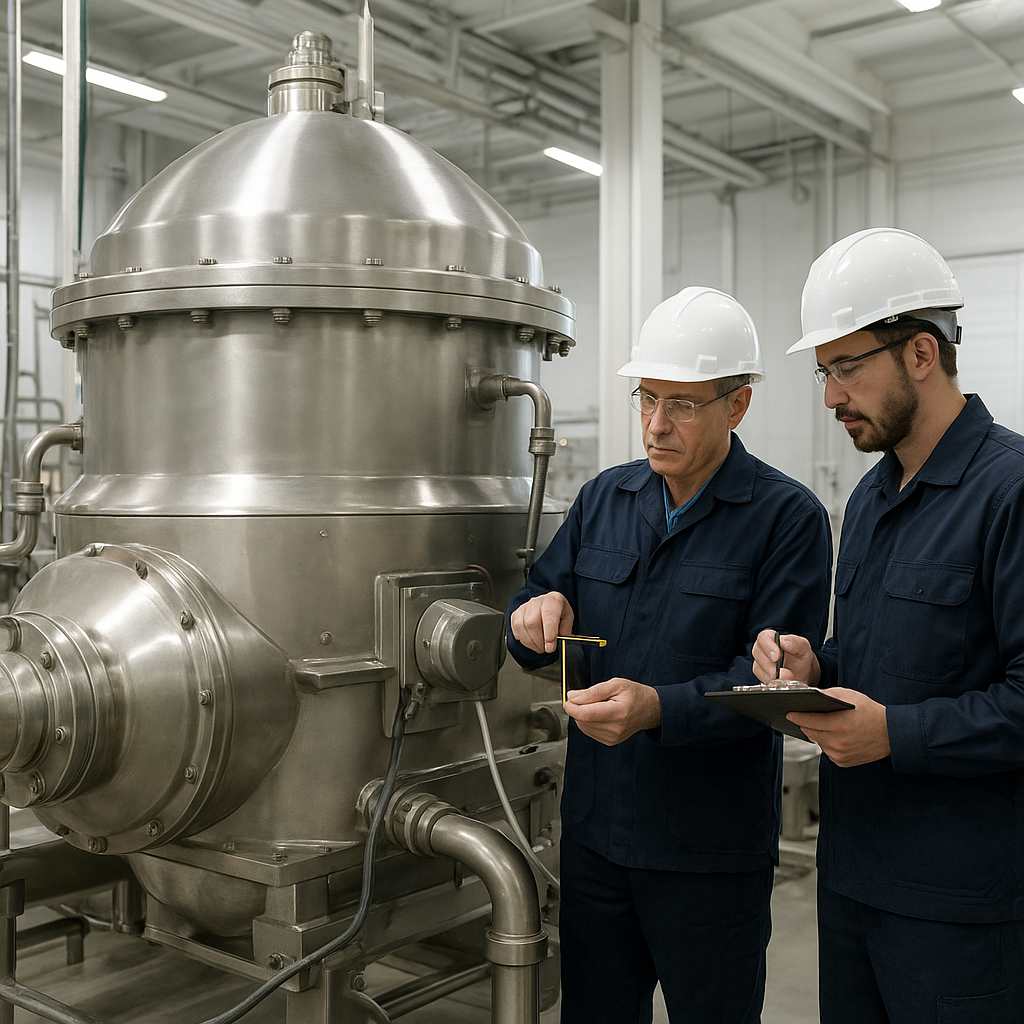
Expert Guidance on Procuring Used Centrifuges for Industrial Applications
Why Choosing Used Centrifuges Can Be a Strategic Move for Industrial Operations
In industrial settings where separation processes play a critical role, the decision to procure used centrifuges can be both a strategic and practical choice. Used centrifuges often represent a compelling balance between capital expenditure and operational performance, especially for businesses aiming to optimise costs without sacrificing reliability. This is particularly relevant in sectors such as chemical processing, wastewater treatment, and food production, where centrifuges are integral to maintaining throughput and product quality.
From a procurement perspective, used centrifuges offer the advantage of accelerated delivery timelines compared to new equipment, which typically involves lengthy manufacturing and commissioning phases. In practice, buyers frequently face urgent operational demands or expansion targets that new centrifuge lead times cannot meet. Used units, when selected carefully, provide a viable solution to bridge these gaps.
However, sourcing second-hand centrifuges is not without challenges. A common pitfall is underestimating the complexity of evaluating equipment condition and suitability for specific process requirements. Unlike new centrifuges, where specifications and warranties are clearly defined, used centrifuges require thorough technical assessments to ensure they meet the operational demands and compliance standards of the buyer’s industry.
Understanding the Major Types of Centrifuges and Their Impact on Procurement Decisions
The centrifuge market is diverse, but three principal types dominate industrial applications: decanter centrifuges, disc stack centrifuges, and tubular bowl centrifuges. Each design serves distinct separation purposes and influences buyer decisions when considering used equipment.
Decanter centrifuges are widely used for solid-liquid separation involving high solids content, common in wastewater sludge dewatering or chemical slurry treatments. Their robust construction and relatively straightforward mechanical design make them prevalent in the used equipment market. Buyers often find models from manufacturers like Flottweg or GEA Westfalia, known for durable decanter designs that can be refurbished effectively.
Disc stack centrifuges, on the other hand, are designed for high-speed separation of liquids with low solids content. They are preferred in sectors such as pharmaceuticals, food and beverage, and fine chemicals where product purity and gentle handling are essential. Alfa Laval and Westfalia are prominent brands frequently encountered in the used centrifuge marketplace. These units tend to require more precise maintenance and inspection due to their complex internal geometry and higher rotational speeds.
Tubular bowl centrifuges represent a specialised niche, often utilised in biotechnological or laboratory-scale processes where fine particle separation is critical. Their availability as used equipment is limited compared to the other types, and procurement typically involves more bespoke considerations.
The choice of centrifuge type significantly impacts maintenance complexity, spare parts availability, and lifecycle costs. For example, decanter centrifuges generally have higher mechanical wear due to the abrasive nature of solids processed, whereas disc stack centrifuges require more frequent balance checks and seal replacements. Understanding these nuances is essential for procurement managers evaluating used centrifuge options.
Critical Technical Criteria for Assessing a Used Centrifuge Before Purchase
Technical due diligence is paramount when acquiring used centrifuges. Mechanical integrity should be the foremost concern. Inspectors must focus on the rotor condition, as any imbalance or damage can lead to catastrophic failures during operation. Bearings and seals are frequent wear points; worn bearings can cause excessive vibration, while degraded seals may lead to leaks or contamination.
Drive systems, whether electric motors or hydraulic drives, should be examined for signs of overheating, unusual noise, or irregular operation. In one scenario involving a chemical processing facility, a used Alfa Laval disc stack centrifuge was rejected due to evidence of bearing fatigue that was not disclosed initially, averting potential downtime and repair costs.
Operational history and performance testing provide further insight. Vibration analysis during a test run can reveal hidden faults that visual inspections might miss. Throughput verification against manufacturer specifications helps determine whether the centrifuge can meet process demands. Maintenance logs and refurbishment records offer traceability and confidence in the equipment’s condition. Buyers frequently overlook the importance of verifying that replacement parts used during refurbishment meet original OEM standards, which can affect long-term reliability.
Financial and Operational Value Beyond the Purchase Price
While the upfront cost of used centrifuges is generally lower than new units, total cost of ownership (TCO) must guide procurement decisions. Refurbishment expenses can vary widely depending on the unit’s condition and the availability of spare parts. For instance, Flottweg decanter centrifuges typically have well-established aftermarket support, which can reduce downtime and spare parts costs, whereas older or less common models may incur higher maintenance expenses.
Energy efficiency is another critical factor. Older centrifuge models tend to have less efficient motors and higher power consumption. In high-throughput operations, this difference can significantly affect operational costs over the equipment’s remaining service life. However, some used centrifuges have been retrofitted with modern control systems and energy-saving components, improving their efficiency without the price of a new unit.
Lead time advantages are also notable. Procuring a used centrifuge can often reduce project timelines from several months to weeks, a decisive factor in industries like wastewater treatment where regulatory deadlines and environmental compliance pressures are stringent. The balance between initial cost savings and potential ongoing maintenance should always be carefully evaluated.
Navigating Compliance, Safety, and Compatibility in Second-Hand Centrifuge Procurement
Compliance requirements vary considerably by industry and application. For example, pharmaceutical manufacturers must ensure that centrifuges meet FDA current Good Manufacturing Practice (cGMP) standards, which include traceability, cleanability, and validation documentation. Used disc stack centrifuges acquired for such environments often require comprehensive refurbishment and validation to satisfy auditors.
Environmental permits may impose restrictions related to emissions or waste handling in sectors such as municipal wastewater treatment. Selecting a used centrifuge that complies with these regulations can prevent costly retrofits or operational delays.
Compatibility with existing plant infrastructure is an equally important consideration. The physical footprint, control system interfaces, and utility connections must align with the buyer’s facilities. For instance, integrating a used centrifuge into a chemical plant’s automated control system can involve custom engineering if the equipment’s original controls are outdated or non-standard. This adds complexity and cost.
Non-compliant or poorly documented equipment carries risks such as unexpected shutdowns, safety incidents, or regulatory penalties. Mitigating these risks requires thorough due diligence, including verification of certificates, inspection reports, and operational records from prior owners.
Real-World Procurement Scenarios Highlighting Practical Considerations
A municipal wastewater treatment facility in the UK needed to upgrade its sludge dewatering capacity rapidly. Opting for a refurbished Flottweg decanter centrifuge allowed the plant to increase throughput without the long procurement lead times associated with new equipment. The refurbishment included replacement of bearings and seals, verified through vibration testing and operational trials before installation. This approach minimised downtime and kept capital expenditure within budget.
In the chemical processing industry, a mid-sized manufacturer required a disc stack centrifuge with strict purity and throughput specifications for solvent recovery. The procurement team evaluated several used Alfa Laval units, balancing their operational history and refurbishment status against process demands. Ultimately, a unit with a documented maintenance history and upgraded control system was selected, ensuring compliance and reliable performance.
The food and beverage sector presents unique challenges, particularly around hygiene standards. A dairy processor purchasing a used disc stack centrifuge insisted on a full hygienic refurbishment, including surface passivation and validation of clean-in-place (CIP) capabilities. This ensured regulatory compliance and product safety while benefiting from the cost savings of used equipment.
Common Questions from Procurement Managers and Plant Engineers Regarding Used Centrifuges
What are the typical lifespan and reliability expectations for used centrifuges compared to new units?
Used centrifuges can often provide a reliable service life of 10 to 15 years beyond their initial operation, depending on maintenance history and application severity. Reliability hinges on factors such as prior usage conditions, refurbishment quality, and adherence to maintenance schedules. While new units offer longer projected lifespans and warranty coverage, well-maintained used centrifuges remain a viable option for many industrial operations.
How do I verify that a used centrifuge has been properly maintained and is fit for my process requirements?
Verification involves reviewing detailed maintenance logs, inspection reports, and refurbishment documentation. Operational testing, including vibration analysis and throughput verification, provides quantitative confirmation of condition. Engaging third-party experts or trusted equipment brokers can also help assess the suitability of used equipment relative to specific process demands.
Are there specific spare parts or consumables that tend to be problematic or expensive for older centrifuge models?
Wear components such as bearings, seals, and rotors are the most common maintenance items. Older models may suffer from limited availability of OEM parts, leading to higher costs or longer lead times. Some manufacturers have discontinued support for legacy units, necessitating aftermarket or custom-fabricated parts, which can escalate expenses and downtime.
What warranty or post-sale support options should I expect or negotiate when purchasing used centrifuge equipment?
Warranty terms vary widely depending on the seller and refurbishment level. Some suppliers offer limited warranties covering mechanical components for a defined period post-sale, while others may provide no warranty, transferring all risk to the buyer. Negotiating support agreements that include spare parts supply, commissioning assistance, and technical support can mitigate risks associated with used centrifuge purchases.
Bringing Expertise to Your Used Centrifuge Investment Decision
Selecting a used centrifuge requires integrating technical, financial, and regulatory considerations to align the equipment with operational goals. Experienced buyers understand that beyond the purchase price, factors such as refurbishment quality, spare parts availability, energy consumption, and compliance can significantly influence the total value realised from the investment.
Trusted equipment suppliers and brokers play a crucial role in facilitating comprehensive inspections, certification processes, and logistics, reducing the burden on procurement teams. Industry professionals frequently encounter scenarios where access to detailed listings of available used centrifuges expedites decision-making and improves market visibility.
For those seeking detailed information and expert support on used centrifuge options, exploring resources like the 3Di Equipment used centrifuges page can be invaluable. It offers a curated selection of tested and inspected units, providing a foundation for well-informed procurement decisions that meet the stringent demands of industrial operations.