
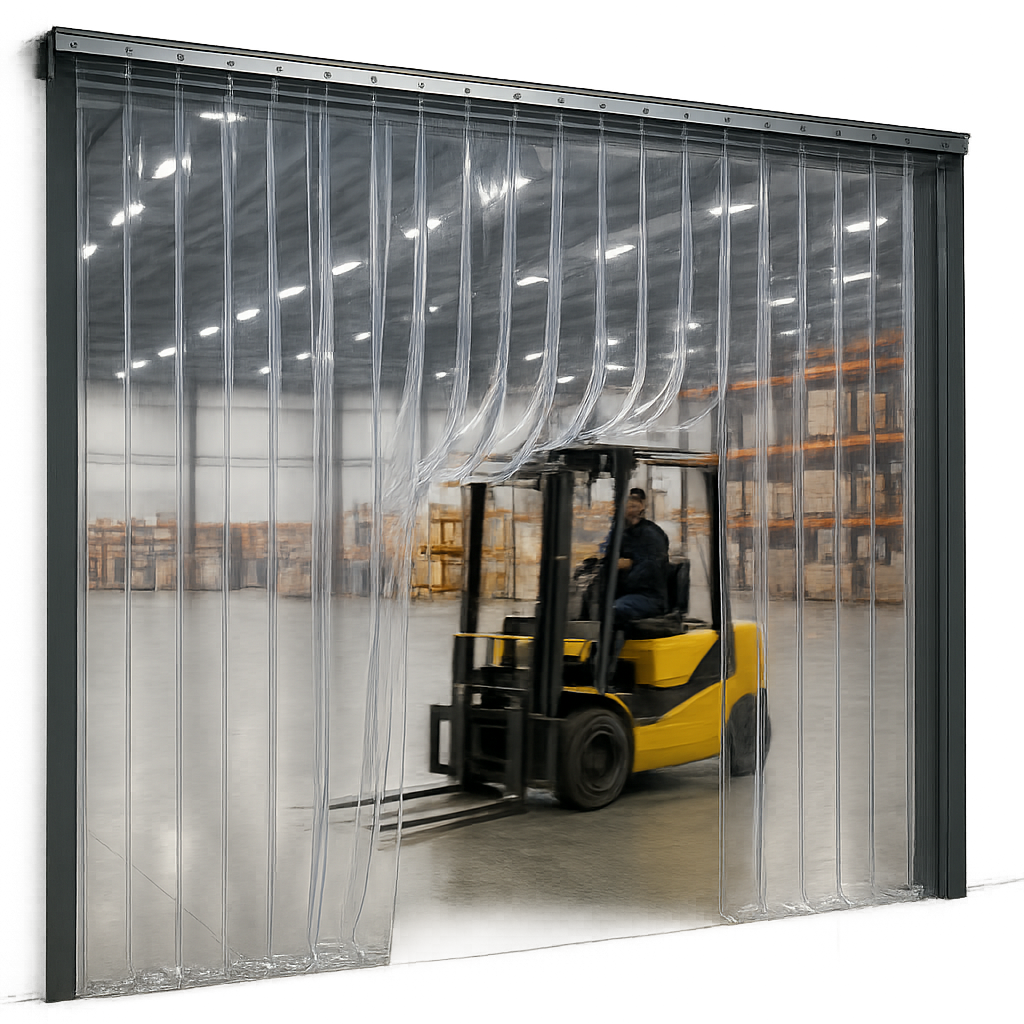
Expert Insights into PVC Strip Curtains: Practical Guidance for Industrial Buyers
In industrial and commercial environments, pvc strip curtains play a crucial role beyond merely partitioning spaces. Their selection and installation impact workflow efficiency, energy consumption, hygiene standards, and regulatory compliance. For procurement managers, plant engineers, and operations directors, understanding the technical and operational nuances of pvc strip curtains is essential to making informed purchasing decisions that align with both immediate needs and long-term objectives.
Distinguishing Between PVC Strip Curtain Types and Their Industrial Applications
PVC strip curtains come in various types, each designed to address specific operational challenges. The most common categories include clear, coloured, and anti-static strip curtains, each with distinct performance characteristics suited to particular industries.
Clear strip curtains are widely used in general industrial settings such as warehouses and loading bays where visibility is paramount. They allow natural light to pass through and enable easy monitoring of activities on either side of the partition. However, in cold storage or freezer applications, specialised low-temperature PVC with enhanced flexibility is necessary to prevent cracking and brittleness. Thickness is a critical factor here; while 2mm strips may suffice for ambient environments, cold storage often requires 3mm or thicker strips to maintain durability under freezing conditions.
Coloured strips, such as blue or green tinted PVC, serve dual purposes. In manufacturing or food processing plants, they can act as visual barriers to delineate hazardous zones or restricted areas without completely obstructing sight lines. Their UV resistance also plays a role in outdoor or semi-exposed environments, where standard clear PVC would degrade rapidly. For example, a medium-sized food packaging facility in the Midlands chose blue-tinted curtains to clearly mark zones while benefiting from increased resistance to sunlight exposure on their external dock doors.
Anti-static strip curtains are indispensable in sectors where static discharge poses a risk, such as electronics manufacturing or certain chemical processing plants. These curtains are produced with conductive additives and surface treatments that dissipate static charges, reducing the risk of sparks that could ignite flammable vapours or damage sensitive components. In practice, one scenario encountered regularly is the retrofit of existing strip curtain installations in an electronics assembly plant, where anti-static variants replaced standard PVC strips to meet updated ATEX compliance requirements.
Beyond the material type, dimensions such as strip width and the degree of overlap significantly influence performance. Wider strips with greater overlap improve sealing and reduce air exchange, which is critical in cold storage and climate-controlled environments. Conversely, narrower or less overlapped strips facilitate easier access and higher traffic flow, beneficial in busy logistics warehouses where forklift movement is constant.
Key Technical Factors to Assess Before Selecting PVC Strip Curtains
When procuring pvc strip curtains, several technical criteria warrant close inspection to ensure that the product will endure operational demands and integrate seamlessly with existing infrastructure.
Firstly, strip quality is paramount. Buyers should verify the composition of the PVC material, looking for high-grade formulations with additives that enhance tensile strength and wear resistance. In demanding environments such as manufacturing plants handling abrasive materials or heavy traffic, strips with a Shore hardness rating appropriate to resist cuts and tears extend service life. In practice, a procurement manager at a large automotive parts supplier discovered premature deterioration in previously installed curtains due to inferior PVC quality, leading to unplanned replacement costs.
Mounting systems are another critical consideration. Strips are typically suspended from aluminium or stainless steel rails, which must be compatible with the facility’s doorframe dimensions and structural load-bearing capacity. The ease of installation and future replacement should also be factored in. Modular rail systems that allow individual strip removal without dismantling the entire curtain prove invaluable in high-traffic areas. Additionally, the fixing method—whether magnetic, screw-mounted, or clip-on—affects maintenance efficiency and downtime.
Inspection of the strips for damage, warping, or contamination is essential before finalising any purchase. PVC that is deformed or contaminated with oils or chemicals can compromise the curtain’s effectiveness, particularly in hygiene-sensitive sectors like food processing. Regular inspection protocols should include checking for edge splitting, clouding, or stiffness that indicates material fatigue. In one instance, a dairy processing plant incorporated periodic visual and tactile inspections as part of their preventive maintenance, identifying worn strips early and avoiding costly contamination events.
Balancing Initial Costs with Long-Term Value in Strip Curtain Procurement
While upfront purchase price often dominates budget discussions, a more comprehensive evaluation includes total cost of ownership factors. Refurbishment options can significantly extend the life of pvc strip curtains. Some suppliers offer refurbishment services such as replacing damaged strips or upgrading mounting rails, which may be more cost-effective than full replacement, especially in large installations.
Spare parts availability and lead times are also vital. Custom or non-standard strip sizes and colours can introduce delays and increase costs if spares are not readily stocked. For example, a cold storage operator in Yorkshire faced operational disruptions when an order for bespoke blue-tinted strips was delayed due to supply chain issues. Choosing a supplier with a broad inventory of standard sizes and colours can mitigate such risks.
Comparing older equipment with modern pvc strip curtains reveals efficiency gains. Advances in PVC formulations have improved flexibility, durability, and environmental resistance, reducing the frequency of replacements and maintenance interventions. One logistics warehouse replaced a decade-old curtain system with a contemporary alternative featuring anti-microbial additives and enhanced UV resistance, resulting in lower energy loss and reduced cleaning requirements.
Navigating Compliance and Compatibility: Ensuring Safety and Operational Standards
Compliance with industry standards is a non-negotiable factor in pvc strip curtain procurement. Food processing facilities must adhere to HACCP requirements, which dictate materials that resist microbial growth and facilitate cleaning. Anti-microbial PVC strips, compliant with BS EN 1672-2, are often specified to meet these standards. Additionally, fire retardancy ratings such as BS 476 Part 7 are critical in ensuring that strip curtains do not exacerbate fire risks in industrial settings.
In environments with explosive atmospheres, such as chemical manufacturing or paint shops, ATEX compliance governs the use of anti-static strip curtains. These curtains must meet EN 60079-0 and EN 60079-11 standards to prevent ignition sources. Procurement teams must confirm certification and compatibility with other safety systems installed in the facility.
Integration with building infrastructure is also important. For example, where automated doors or environmental control systems are in place, pvc strip curtains must complement rather than conflict with these technologies. Ensuring that curtain materials and mounting systems do not impede door sensors or airflow monitoring devices avoids operational inefficiencies.
Real Procurement Scenarios Highlighting Sector-Specific Challenges and Solutions
In one large-scale cold storage facility in the North West, the existing pvc strip curtains had become brittle and ineffective, causing significant energy loss and contamination risks. The procurement team opted for thicker, low-temperature strips with a high degree of overlap, supported by reinforced aluminium rails. This solution reduced energy costs by an estimated 12 per cent annually and improved hygiene standards by limiting airborne cross-contamination.
A food processing plant specialising in ready meals faced stringent hygiene demands. The facility required curtains that could withstand frequent washdowns and resist microbial colonisation. They selected anti-microbial pvc strip curtains certified to HACCP standards, with quick-release mounting rails for efficient cleaning. This procurement decision resolved prior contamination issues and streamlined maintenance routines.
In a busy logistics warehouse near London, high traffic flow and safety concerns drove the choice of heavy-duty, high-visibility strip curtains with integrated reflective strips. The durable PVC material stood up to forklift abrasion, while the enhanced visibility reduced accident rates. The procurement team balanced the slightly higher initial cost against the reductions in workplace injuries and associated downtime.
Frequently Asked Questions from Procurement and Operations Leaders
What factors determine the optimal strip curtain thickness for different industrial settings?
Strip curtain thickness depends primarily on operational temperature, traffic intensity, and the required sealing performance. In cold storage, thicker strips (3mm or more) are necessary to resist brittleness and maintain flexibility at low temperatures. Conversely, in ambient warehouse environments, thinner strips (2mm) can suffice, providing easier access and lower material costs. Heavy-duty applications with frequent forklift movement often require thicker or reinforced strips to prevent tearing. Thickness also influences overlap requirements; thicker strips may need greater overlap to maintain an effective barrier.
How can buyers verify the quality and durability of PVC strip curtains before purchase?
Buyers should request detailed material specifications, including tensile strength, Shore hardness, and additive composition. Independent certification or test reports demonstrating compliance with relevant standards offer additional assurance. Inspecting physical samples under operational conditions—such as low temperatures or exposure to UV light—can reveal potential weaknesses. Engaging with suppliers who provide warranties and documented performance histories further mitigates risk. In practice, visiting installations where the supplier’s products are in use can provide invaluable insight into real-world durability.
What maintenance practices help extend the lifespan and performance of strip curtains?
Regular inspection for signs of wear, such as cracks, splits, or discolouration, allows early intervention before failures occur. Cleaning with appropriate detergents to remove oils, dirt, and contaminants prevents material degradation and maintains hygiene. Lubricating mounting systems and ensuring that rails remain securely fixed reduces mechanical stress on strips. Replacing damaged strips promptly, rather than waiting for entire curtain replacement, can significantly prolong service life. In some sectors, scheduled refurbishment programmes incorporating strip replacement and rail maintenance are standard practice.
Are there environmental or sustainability considerations when selecting PVC strip curtains?
While PVC is a durable and versatile material, environmental concerns arise from its manufacture and disposal. Some manufacturers now offer formulations with reduced plasticisers or incorporate recycled content. Buyers should inquire about the supplier’s sustainability policies and options for recycling or refurbishing old curtains. Additionally, selecting longer-lasting, high-quality strips reduces waste by minimising replacement frequency. Energy savings achieved through improved sealing also contribute indirectly to environmental benefits. Overall, procurement decisions should balance operational needs with environmental impact.
Bringing It All Together: Making Informed Decisions on PVC Strip Curtains with Rayflex Rubber
Choosing the correct pvc strip curtains is far from a straightforward purchase. It requires a nuanced understanding of operational demands, technical specifications, compliance obligations, and lifecycle costs. Buyers often underestimate the significance of mounting system compatibility and the availability of spare parts, which can lead to costly operational disruptions. Careful inspection and evaluation of strip quality, material properties, and certification ensure that the curtains will perform reliably under the facility’s specific conditions.
Real-world procurement experiences from sectors such as cold storage, food processing, and logistics reveal that a tailored approach—considering strip type, thickness, and additional features like anti-static or anti-microbial properties—delivers tangible operational benefits. Balancing upfront investment against total cost of ownership, including refurbishment and maintenance, supports sustainable decision-making that aligns with long-term business goals.
For industrial buyers seeking a comprehensive and practical approach to pvc strip curtains, the Rayflex Rubber offering provides valuable guidance and tailored solutions. Their service, outlined at pvc strip curtains, reflects a deep understanding of industrial requirements and procurement complexities. Engaging with such knowledgeable providers helps ensure decisions are grounded in expertise and real-world applicability, ultimately supporting operational continuity and value.