
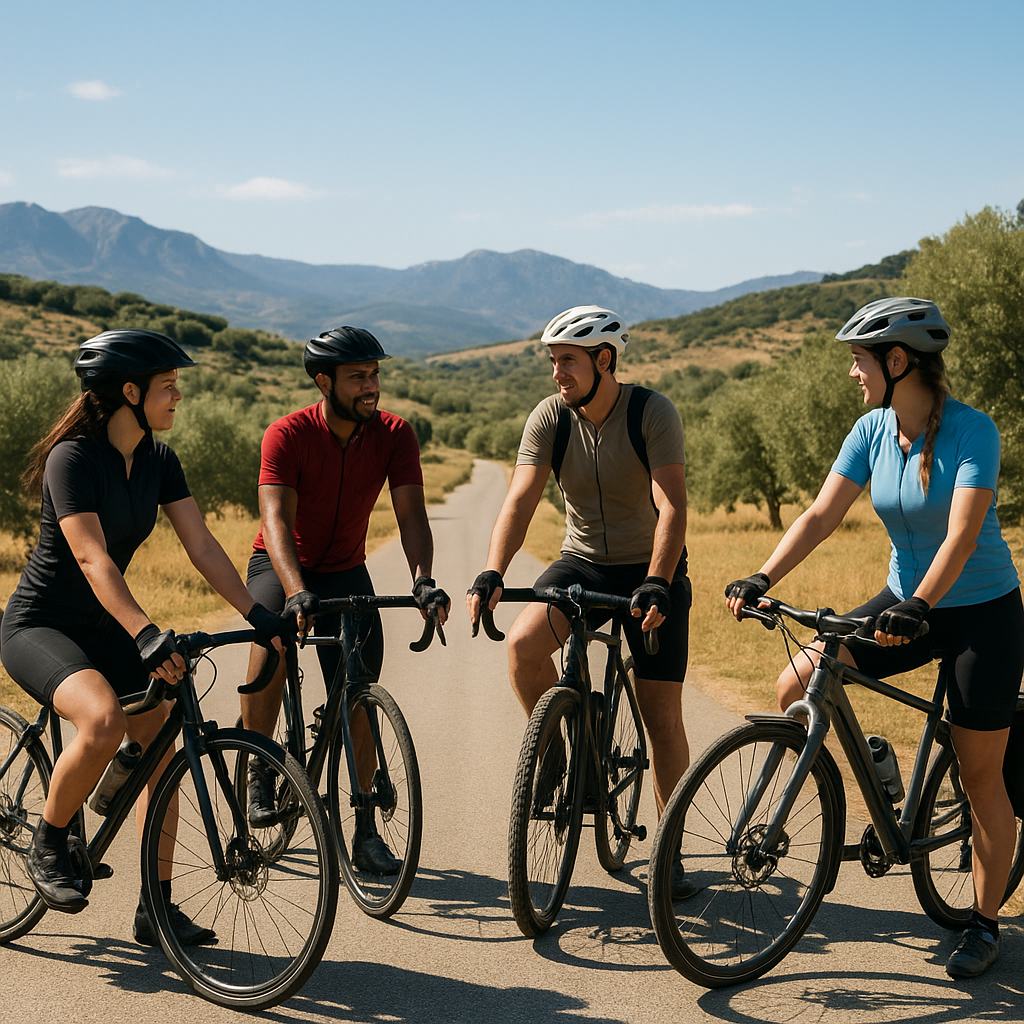
Expert Considerations for Organising Cycling Holidays in Spain
The Strategic Importance of Selecting the Right Cycling Holiday Experience in Spain
For adventure travel companies and corporate wellness programmes, organising cycling holidays in Spain is a decision that extends well beyond simple itinerary planning. It is a complex operational and procurement challenge that impacts client satisfaction, brand reputation, and cost efficiency. Spain’s vast regional diversity—from the sun-drenched coasts of Andalusia to the rugged Pyrenees and the undulating hills of Catalonia—presents a wide array of terrain types and infrastructure conditions. This diversity demands a nuanced understanding of how different cycling holiday experiences influence equipment requirements, maintenance strategies, and logistical support.
In practice, buyers frequently overlook the significance of matching cycling holiday types to the specific capabilities of their equipment fleet and operational resources. For example, a mountain biking adventure in the Sierra Nevada requires bikes with robust suspension systems and durable tyres, while a road cycling tour along the Mediterranean coast demands lightweight frames and aerodynamic components. Failure to account for these distinctions can lead to increased wear and tear, unexpected downtime, and diminished rider experience, ultimately affecting long-term supplier relationships and client retention.
Moreover, understanding the nuances of cycling holiday types informs procurement decisions related to fleet composition, vendor selection, and service contracts. Selecting the right partner who comprehends the operational demands of Spain’s diverse cycling environments is as critical as the equipment chosen. Such strategic alignment supports seamless service delivery and can provide a competitive edge in an increasingly crowded adventure tourism market.
Differentiating Cycling Holiday Types and Their Influence on Equipment and Service Choices
Within the broader category of cycling holidays in Spain, several distinct variants exist, each with specific operational and procurement implications. Road cycling tours and mountain biking adventures stand out as the two primary categories, with marked differences in technical requirements and support logistics.
Road cycling tours typically necessitate bikes with lightweight aluminium or carbon frames, paired with high-performance groupsets from manufacturers such as Shimano’s Ultegra or SRAM’s Force lines. The maintenance regime is focused on precision tuning of gears and brakes, along with regular tyre inspections to prevent punctures from Spain’s varied road surfaces. Support logistics must include rapid access to spare wheels and components due to the higher speeds and longer distances involved.
In contrast, mountain biking adventures require sturdier frames, often aluminium or chromoly steel, equipped with suspension forks and wider, knobbier tyres to handle off-road terrain. Maintenance turnaround times tend to be longer due to increased mechanical strain and the potential for damage from rough trails. Procurement must consider the availability of specialised parts such as dropper posts and hydraulic disc brakes, which are essential for rider safety and performance.
Multi-day guided tours differ significantly from self-guided holidays in their impact on equipment needs. Guided tours often allow for more controlled conditions, enabling procurement managers to select higher-end, lighter equipment suited to experienced riders, with on-tour support to handle repairs. Self-guided holidays, however, require more robust, user-friendly bikes with simplified gearing and enhanced durability to accommodate varying rider skill levels and minimise service interruptions.
The rise of e-bike tours introduces additional complexity. Electric bikes demand investment not only in the bikes themselves but also in charging infrastructure and compliance with Spain’s regulatory framework, which restricts e-bike motor power to 250 watts and limits assisted speeds to 25 km/h. Fleet management must include battery lifecycle monitoring and contingency plans for mid-tour battery failures. These factors alter procurement priorities and increase the importance of supplier reliability and after-sales support.
Critical Technical Assessment Criteria Before Committing to Cycling Holiday Equipment and Services
Before finalising equipment procurement for cycling holidays in Spain, a rigorous technical evaluation is indispensable. Buyers must assess bike frame materials in relation to Spain’s climate and terrain. Aluminium frames offer a compelling balance of weight and durability, but carbon fibre frames may suit high-end road tours where weight savings translate directly to rider performance. Steel frames can provide robustness and repairability for mountain biking but add weight, which may affect rider fatigue on longer tours.
Component groupsets constitute a vital consideration. Shimano and SRAM remain industry benchmarks, but the choice between entry-level, mid-tier, and premium groupsets must reflect the expected intensity of use and ease of maintenance. For example, Shimano’s Deore line may suffice for casual mountain tours, whereas Ultegra or SRAM Red are preferable for demanding road cycling tours. Tyre selection also demands attention, with considerations for puncture resistance, tread pattern, and width tailored to road or off-road conditions.
Maintenance protocols supplied by vendors must be scrutinised carefully. One scenario we encounter regularly involves operators sourcing bikes from multiple suppliers, only to discover inconsistent maintenance turnaround times and variable spare parts availability. It is crucial to verify that suppliers stock genuine replacement parts with reliable lead times, particularly for brands like Shimano and SRAM, which dominate the market. Additionally, logistics providers must demonstrate capacity for timely delivery and on-tour technical support, including mobile repair services to minimise downtime during tours.
Compliance with EU safety standards and Spanish regulations is non-negotiable. Bikes should conform to EN standards for structural integrity, braking performance, and reflectivity. For e-bikes, compliance with the European Electromagnetic Compatibility Directive and power limits is mandatory to avoid legal complications. Buyers should also verify that helmets and safety gear supplied meet Spanish road safety laws, which have regional variations.
Understanding Total Cost of Ownership and Value in Cycling Holiday Procurement
Procurement managers must look beyond upfront costs and consider total cost of ownership (TCO) when selecting equipment for cycling holidays in Spain. This includes refurbishment potential, spare parts supply chain complexities, and lead times for both new and used bikes. The Spanish market offers a range of options, but buyers often underestimate the operational impact of delayed spare parts or refurbishment bottlenecks.
Older bike models may present lower initial costs but can incur higher maintenance expenses and longer downtime. For instance, an older e-bike with a discontinued battery model may require costly custom servicing or complete battery replacement, affecting availability during peak season. Conversely, the latest generation bikes often come with manufacturer warranties and improved component efficiency, such as longer-lasting e-bike batteries and sealed drivetrains, which reduce service intervals.
Operational costs extend to transport and storage logistics. Bikes with advanced materials like carbon fibre demand specialised handling and storage conditions to prevent damage. Additionally, in-tour support services, including mobile mechanics and spare bike availability, influence operational efficiency and client satisfaction. An example from a medium-sized operator in Catalonia showed that investing in a proactive maintenance programme and stocking critical spares reduced downtime by 30%, significantly improving tour reliability and profitability.
Navigating Compliance and Compatibility: Regulatory and Operational Frameworks in Spain
Operating cycling holidays in Spain requires adherence to a complex web of Spanish and EU regulations. E-bike power restrictions are a primary concern; the law limits motor assistance to 250 watts and maximum assisted speeds to 25 km/h to qualify as bicycles rather than mopeds, affecting insurance and licensing. Operators must ensure their e-bike fleets comply fully to avoid fines and liability issues.
Helmet laws vary across Spain’s autonomous communities. For example, while helmet use is mandatory for under-16s nationwide, some regions enforce stricter rules for all riders on certain road types. Compliance requires operators to provide appropriate safety equipment and inform clients of local regulations to mitigate liability.
Compatibility issues also arise from the diversity of bike component standards. Procuring a fleet with standardised parts streamlines maintenance and reduces spare parts inventory. However, mixing brands or generations can complicate servicing, particularly when dealing with proprietary components such as specific bottom bracket types or brake calipers. Procurement professionals should prioritise standardisation and supplier transparency to avoid operational inefficiencies.
Insurance and liability considerations are paramount. Operators must secure comprehensive coverage that accounts for accident liability, theft, and equipment damage. Local jurisdictions may impose additional requirements for commercial cycling activities, including permits for guided tours on public roads or protected natural areas.
Real-World Procurement Scenarios Illustrating Operational Challenges and Solutions
A medium-sized adventure travel operator based in Catalonia faced the challenge of sourcing a mixed fleet of 50 road and mountain bikes for their expanding tour offerings. The procurement team balanced cost against durability by selecting aluminium frames with mid-tier Shimano groupsets, ensuring a robust yet lightweight fleet. They partnered with a local supplier who provided on-call maintenance support and guaranteed spare parts availability within 48 hours, addressing previous issues with downtime during peak season.
In Andalusia, a corporate wellness programme procurement manager evaluated e-bike holiday options for employees with varied cycling experience. The key concerns were compliance with regional regulations and the overhead costs of maintaining an e-bike fleet. By selecting e-bikes equipped with widely available Shimano Steps systems and negotiating a service contract that included battery health monitoring, the manager ensured legal compliance and streamlined maintenance management.
Meanwhile, a rental fleet operator in Valencia faced high downtime due to mechanical failures. They mitigated this by establishing supplier partnerships focused on preventative technical inspections before each tour and maintaining a stock of commonly needed parts such as brake pads, tyres, and chains. This proactive approach reduced repair times and improved customer satisfaction, highlighting the importance of supplier collaboration in operational success.
Addressing Common Procurement Queries in Cycling Holiday Operations
What are the most critical technical features to prioritise when choosing bikes for varying Spanish terrains? Prioritising frame material and geometry tailored to the specific terrain is essential. For mountainous or off-road areas, durable frames with suspension and wider tyres are crucial, while lightweight, aerodynamic frames with narrow tyres suit road cycling along coastal or flat regions. Component reliability, particularly groupsets from established manufacturers like Shimano or SRAM, and effective braking systems are also critical for safety and performance.
How do service providers ensure rapid response to mechanical issues during remote tours? Effective providers maintain on-tour mobile mechanics and stock critical spare parts locally to minimise downtime. They also employ GPS tracking and communication tools to respond swiftly to incidents. Pre-tour technical inspections and rider briefings on basic maintenance help prevent issues from escalating during tours.
What are the implications of Spain’s regional regulations on e-bike power and speed limits for holiday operators? Operators must ensure all e-bikes comply with the 250-watt power limit and 25 km/h assisted speed to avoid reclassification as mopeds, which entail stricter licensing and insurance requirements. Failure to comply can result in fines and legal liabilities, and may invalidate insurance coverage. Additionally, operators must be aware of regional variations in helmet laws and road use restrictions affecting e-bike use.
How can procurement professionals accurately forecast maintenance costs and lifecycle value of cycling holiday equipment? Accurate forecasting involves analysing historical maintenance data, understanding spare parts availability, and considering warranty terms. Incorporating refurbishment potential and expected component wear into lifecycle assessments helps balance upfront investment against long-term operational costs. Engaging suppliers who offer transparent maintenance records and reliable service support enhances forecasting accuracy.
Bringing It All Together: Making Informed Decisions for Cycling Holidays in Spain
Successfully organising cycling holidays in Spain requires an integrated approach that aligns terrain characteristics, holiday types, technical quality, and regulatory compliance. Procurement and operations professionals must combine detailed knowledge of equipment specifications with a practical understanding of Spain’s diverse cycling environments and legal frameworks. This holistic perspective not only ensures operational efficiency but also enhances client satisfaction and safety.
Partnering with providers who demonstrate genuine expertise and offer comprehensive support—from equipment selection to on-tour maintenance—can significantly reduce operational risks. Such partnerships facilitate access to well-maintained fleets, rapid technical assistance, and compliance assurance, all of which are critical in managing cycling holiday programmes effectively.
For those seeking a thorough and expert-led cycling holiday experience in Spain, the options detailed at cycling holidays spain present a valuable resource. This service combines carefully curated routes with high-quality equipment and logistical support, reflecting a deep understanding of the operational realities faced by adventure travel professionals and corporate programme managers alike.