
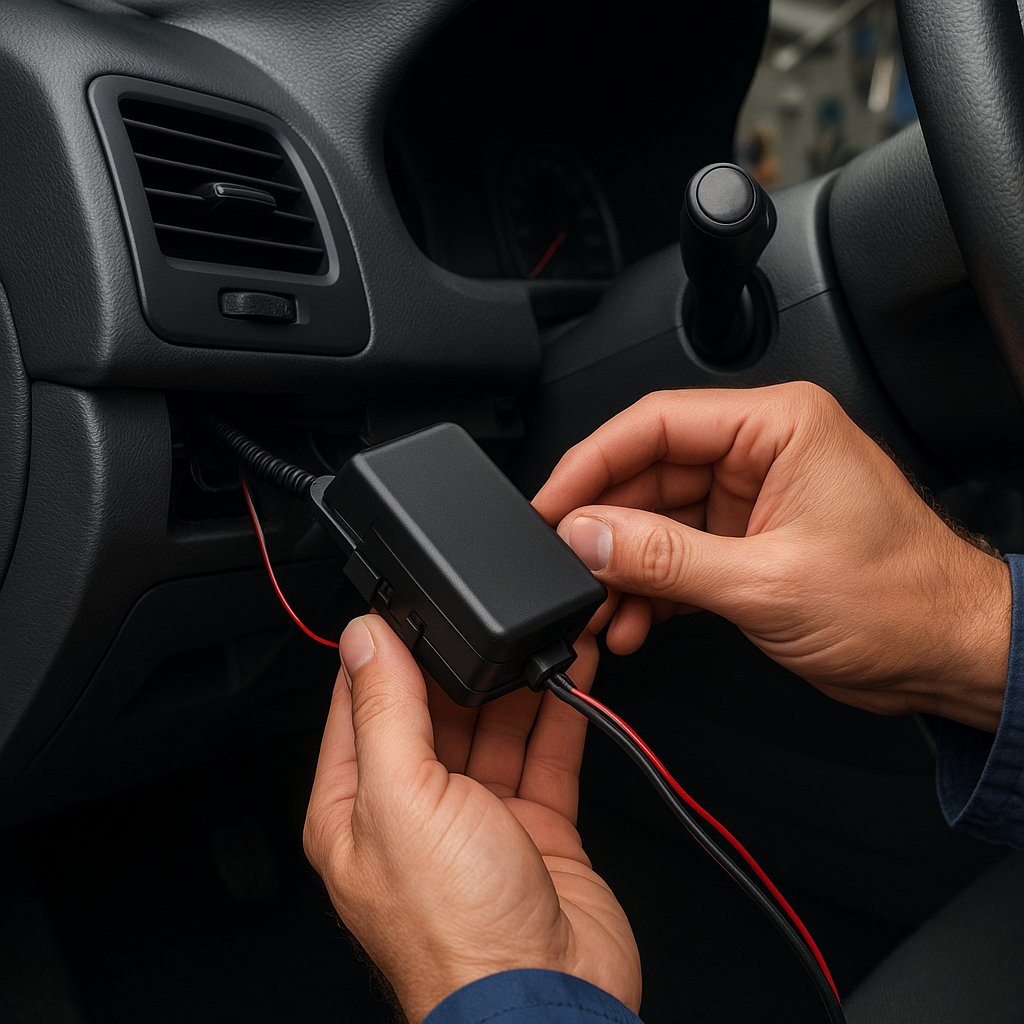
Enhancing Fleet Security and Efficiency Through Expert Car Tracker Selection
Informed Choices for Procurement and Operations Professionals
Car trackers have become an indispensable component of modern fleet management, offering not only theft recovery capabilities but also vital operational insights that drive efficiency. For procurement managers, plant engineers, and operations directors, selecting the right vehicle tracking device is more than a simple purchase—it is a strategic decision that impacts security, compliance, and total cost of ownership. This article draws on practical industry experience to explore the nuances of car trackers, providing detailed guidance on types, technical evaluation, compliance, and real-world procurement scenarios.
Understanding the Strategic Importance of Car Trackers in Fleet Management
In practice, many organisations underestimate how crucial vehicle tracking is to both security and operational performance. Effective car trackers address key challenges such as theft mitigation, asset utilisation, and route optimisation, which directly influence a company’s bottom line. For example, a logistics firm operating a fleet of 200 vehicles found that integrating trackers reduced average recovery times by over 60 per cent, a difference that translated into substantial cost savings and lower insurance premiums.
Procurement managers often face pressure to balance upfront costs against longer-term benefits. However, overlooking operational data capabilities and integration potential can limit the value a tracker delivers. Operations directors frequently report that beyond theft prevention, the ability to monitor driver behaviour, vehicle idle times, and fuel consumption has become a decisive factor in tracker selection. These insights enable better scheduling, reduced wear and tear, and compliance with increasingly stringent environmental regulations.
Differentiating Car Tracker Types and How They Shape Procurement Choices
Car trackers generally fall into three main categories: GPS-only units, GPS combined with GSM communication modules, and advanced telematics devices that integrate with a vehicle’s CAN bus. Understanding these distinctions is critical in matching technology to operational needs.
GPS-only trackers provide basic location data but lack real-time communication capabilities. These tend to be simpler, more cost-effective devices suitable for static asset tracking or vehicles with limited connectivity requirements. However, their utility in active fleet management is limited, especially where immediate response to theft or route deviation is necessary.
More commonly, GPS + GSM trackers transmit location data over mobile networks, enabling real-time monitoring and alerts. This type is prevalent in commercial fleets due to its balance of functionality and cost. Procurement professionals must consider network coverage in their operating regions, as GSM dependency means performance can degrade in remote or underground environments.
Advanced telematics units push functionality further by interfacing directly with the vehicle’s CAN bus system, capturing diagnostic data such as engine status, fuel levels, and fault codes. These devices support predictive maintenance strategies and detailed driver behaviour analysis. However, installation complexity increases, often requiring specialist technicians and longer vehicle downtime during fitting. For users managing mixed fleets or older vehicles, compatibility challenges may arise, as not all models support CAN bus integration equally.
Another practical consideration is the physical size and installation method. Covert trackers are favoured in high-risk theft areas, but their discreet design can complicate maintenance or battery replacement. Conversely, overt trackers may deter theft but risk tampering. Buyers frequently overlook these trade-offs, resulting in operational inefficiencies or security vulnerabilities.
Key Technical Specifications and Inspection Criteria Before Purchasing Car Trackers
When evaluating car trackers, signal accuracy and update frequency are paramount. In urban environments with dense buildings or in industrial sites with metal obstructions, GPS signals can degrade, causing location errors. Buyers should insist on devices with multi-constellation GNSS support (GPS, GLONASS, Galileo) to improve positioning reliability. Update intervals also affect responsiveness; real-time tracking typically requires updates every few seconds, whereas longer intervals may suffice for asset tracking.
Power source integration is another critical factor. Hardwired trackers connected directly to the vehicle’s electrical system ensure continuous power but require professional installation. Battery-powered units offer flexibility and simpler deployment but demand regular maintenance to prevent downtime. Tamper-proofing features, such as vibration sensors, removal alerts, or internal backup batteries, are non-negotiable in high-risk environments to prevent tracker disabling.
Firmware update capabilities reflect a product’s future-proofing. Devices supporting over-the-air updates allow security patches and feature enhancements without physical intervention, reducing maintenance costs and mitigating security vulnerabilities. Compatibility with existing vehicle electronics and fleet management platforms is essential to avoid costly customisation or integration delays. Diagnostics support can also be invaluable, enabling remote health checks and reducing unexpected failures.
Assessing Total Cost of Ownership and Value Beyond Initial Purchase Price
Procurement decisions should extend beyond the sticker price to encompass total cost of ownership (TCO). One scenario we encounter regularly involves a municipal fleet upgrading 100 trackers. While new units offered modern features, lead times were six weeks, risking operational delays. Alternatively, sourcing refurbished trackers from reputable suppliers reduced costs by 30 per cent and cut lead times in half. However, buyers had to verify the availability of spare parts and warranty terms to mitigate risks.
Refurbishment programmes can offer excellent value, especially when original manufacturers support spare parts and firmware updates. Conversely, older legacy models may lack ongoing support, increasing downtime risks and maintenance expenses. In some cases, the efficiency gains from newer models—such as improved data analytics, cloud-based monitoring, and enhanced battery life—outweigh higher upfront costs, particularly in large fleets where operational improvements scale.
Procurement managers should also factor in installation complexity and associated labour costs. Devices requiring extensive vehicle downtime or specialist fitting may incur hidden expenses that erode initial savings. Evaluating vendor support frameworks and service level agreements is equally important to ensure rapid issue resolution throughout the tracker’s lifecycle.
Navigating Compliance, Security Standards, and Integration Requirements
Car trackers in the UK and EU must comply with a range of standards and regulations, including data protection laws under GDPR. Organisations deploying trackers must ensure that vehicle occupants are informed and consent to monitoring where applicable, particularly in employee-owned fleets. Non-compliance can lead to legal penalties and reputational damage.
From a technical perspective, equipment certification such as CE marking demonstrates adherence to electromagnetic compatibility and safety standards. Security considerations include encryption of transmitted data and secure authentication protocols to prevent interception or spoofing. Older tracker models often lack such features, posing vulnerabilities that can be exploited by cybercriminals.
Integration with existing fleet management software is another area requiring attention. Proprietary communication protocols may limit interoperability, forcing organisations into vendor lock-in or necessitating costly middleware solutions. Buyers should prioritise devices supporting standardised APIs and open data formats to future-proof their investments and enable seamless data aggregation.
Real-World Procurement Scenarios Illustrating Buyer Challenges and Solutions
A regional delivery company managing 150 vans recently faced a procurement challenge balancing cost constraints with the need for robust telematics functionality. The company initially considered budget GPS + GSM trackers but quickly identified that limited data granularity would hinder route optimisation efforts. After consultation, they selected mid-tier telematics units that offered CAN bus integration and over-the-air updates, accepting slightly higher upfront costs in exchange for improved operational insights. Installation was phased to minimise downtime, and the vendor provided training to in-house technicians to support ongoing maintenance.
In another case, an industrial plant operating a mixed fleet of forklifts, trucks, and specialised equipment sought trackers capable of withstanding harsh environments. The procurement team prioritised ruggedised devices with IP67-rated enclosures and extended temperature tolerance. They also required remote diagnostics to reduce the need for manual inspections. The final selection included models from established manufacturers known for durable hardware and reliable service support, ensuring minimal disruption to critical plant operations.
A car rental company incorporated trackers as part of a broader theft deterrence and customer accountability strategy. The procurement team evaluated devices offering both real-time tracking and geofencing capabilities to alert staff if vehicles left designated areas. Integration with the rental management system was essential to automate notifications and billing adjustments. The selected trackers featured tamper alerts and discreet installation options, balancing security with customer privacy considerations.
Frequently Asked Questions About Car Trackers in Operational Contexts
What factors determine the best tracker type for a mixed fleet of commercial vehicles?
Choosing the appropriate tracker for a mixed fleet involves assessing vehicle types, operating environments, and the desired data level. For example, light commercial vans may only need basic GPS + GSM trackers, while heavy trucks benefit from CAN bus integration to monitor engine diagnostics and driver behaviour. Environmental conditions also influence device ruggedness requirements. Procurement professionals must balance functionality against installation complexity and cost, often opting for modular solutions that can be tailored to specific vehicle classes within the fleet.
How do ongoing service and maintenance contracts influence procurement decisions?
Service contracts play a crucial role in ensuring the long-term reliability of car trackers. They often cover firmware updates, technical support, and hardware repairs, reducing unexpected downtime. In procurement, evaluating the scope and cost of these contracts is as important as the initial hardware price. Contracts with rapid response times and clear escalation procedures provide operational assurance, particularly for large fleets where tracker failures can cascade into significant disruptions.
Can older trackers be reliably refurbished to meet current compliance and performance standards?
Refurbishing older trackers can be cost-effective if the devices are from reputable manufacturers with ongoing parts and firmware support. However, buyers must rigorously assess whether refurbished units comply with current data protection regulations and security standards. In some cases, legacy hardware may lack encryption or be incompatible with newer communication networks, limiting their viability. Therefore, refurbishment should be considered only after detailed technical evaluation and testing.
What are typical pitfalls when integrating car trackers into existing fleet management platforms?
A common pitfall is neglecting compatibility between tracker communication protocols and the fleet management software. Proprietary or outdated protocols can result in partial data integration, requiring costly custom development. Another issue is insufficient bandwidth or network coverage, causing data delays or losses that impair decision-making. Additionally, inadequate user training on new systems can lead to underutilisation of tracker capabilities. Addressing these challenges early through cross-functional collaboration and pilot testing is advisable.
Drawing Practical Insights Together and Exploring Trusted Brands for Procurement
Selecting car trackers is a multifaceted process that demands careful consideration of technical features, operational compatibility, and long-term value. Experienced buyers understand that tracking devices are not just gadgets but essential tools that directly influence fleet security, compliance, and efficiency. Balancing factors such as device type, installation complexity, power management, and integration capabilities helps avoid common pitfalls and ensures that investments deliver measurable returns.
Furthermore, total cost of ownership must include service support, firmware updates, and the availability of spare parts, especially when considering refurbished equipment. Compliance with data protection laws and security standards cannot be overlooked, as these have direct operational and legal implications. Real-world procurement scenarios across logistics, industrial, and rental sectors highlight the importance of tailored solutions aligned with specific operational demands.
For procurement managers and operations directors seeking a comprehensive overview of available tracker technologies and trusted suppliers, resources such as Trackerfit’s brands page provide valuable insights. This platform offers detailed information on reputable manufacturers, enabling informed decision-making grounded in technical depth and practical experience. Leveraging such resources supports a strategic approach to fleet security and asset management that stands up to the rigours of modern operational environments.