
Expert Perspectives on Residential Property Choices in Blackburn
Understanding the Nuances Behind Procuring Homes in Blackburn’s Dynamic Market
For stakeholders involved in residential property procurement, Blackburn presents a multifaceted market where strategic considerations extend well beyond the initial purchase price. The area’s evolving economic landscape, combined with a diverse housing stock, requires buyers to adopt a holistic approach when evaluating homes for sale Blackburn. In practice, decisions made without appreciating local infrastructure, community development plans, and long-term operational factors often lead to unexpected costs and diminished asset value.
Blackburn’s regional market dynamics are shaped by ongoing regeneration efforts, transport connectivity improvements, and demographic shifts. For instance, proximity to key employment hubs such as Blackburn town centre or the M65 corridor significantly influences property desirability and hence market pricing. Buyers frequently overlook how local schools, healthcare facilities, and community amenities factor into not only lifestyle appeal but also resale value and rental demand.
Distinctive Home Types in Blackburn and Their Influence on Buyer Decisions
The Blackburn housing stock encompasses a broad spectrum, prominently featuring traditional terraced properties, semi-detached dwellings, and an increasing number of new build developments. Each variant carries distinct technical and operational implications that directly affect procurement strategy.
Traditional terraced homes, often constructed with solid brick walls and dating back to the late 19th or early 20th century, remain prevalent in Blackburn’s inner-city areas. Their construction methods entail specific challenges such as susceptibility to damp due to limited cavity walls, or outdated timber joists that require careful structural assessment. From a maintenance perspective, buyers must prepare for periodic refurbishment of original sash windows and potential rewiring to meet current electrical safety standards. These factors affect not only upfront costs but also the long-term lifecycle management of the property’s fabric and systems.
Semi-detached houses, typically post-war builds or later, offer more modern layouts and often include cavity wall insulation, which improves thermal performance. However, the variety in construction materials and techniques within this category means procurement teams must scrutinise individual properties for issues like subsidence or ageing roof structures. The presence of modern heating systems such as gas combi boilers or, increasingly, air source heat pumps also influences energy efficiency and maintenance regimes.
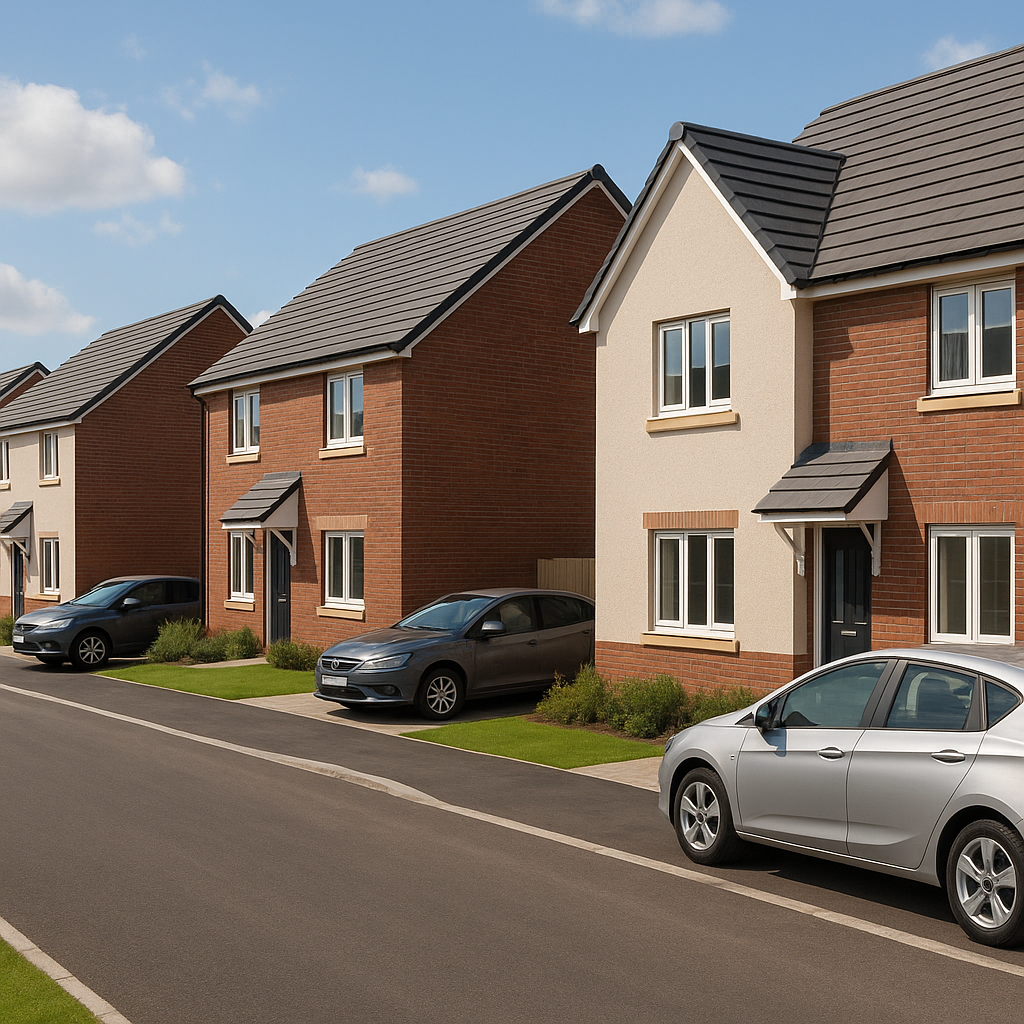
New build developments, such as those by Kingswood Homes, represent a more uniform approach to construction quality, with materials and fittings designed to meet or exceed current building regulations. These homes incorporate contemporary energy-saving technologies, high-grade insulation, and smart home features, which appeal to buyers prioritising reduced operational costs and sustainability. However, new builds often command a premium price, and buyers should weigh this against the reduced need for immediate refurbishment and lower utility expenses.
Critical Technical Checks and Evaluations Before Committing to a Property
When evaluating homes for sale Blackburn, a comprehensive technical inspection is indispensable. Structural integrity assessments must focus on localised risks such as damp ingress, which is a common pitfall in properties within Blackburn’s older districts due to historic construction techniques and the region’s relatively high rainfall. A detailed survey should include moisture mapping and thermal imaging to detect hidden defects behind plasterwork or cladding.
Subsidence is another concern, especially in areas with variable soil conditions. Buyers often commission a structural engineer’s report to evaluate foundation stability and the potential need for underpinning. This is particularly pertinent for terraced and semi-detached homes where shared walls may complicate remediation work.
Energy efficiency evaluations are critical as well. The Building Regulations Part L (Conservation of Fuel and Power) sets minimum standards that new builds must comply with, but many older properties fall short, leading to high EPC (Energy Performance Certificate) ratings. It is prudent for buyers to inspect the heating systems, insulation levels, and windows to assess upgrade requirements. For example, replacing aged gas boilers with modern condensing units or integrating renewable technologies can significantly reduce running costs but requires upfront capital investment.
Installed fittings such as plumbing and electrical systems demand scrutiny too. Compliance with the latest IET Wiring Regulations (BS 7671) is essential for safety and insurance purposes. Plumbing should be checked for lead pipes or corroded materials that can cause water quality issues or leaks. Retrospective upgrades to satisfy fire safety regulations, including smoke alarms and fire doors, are increasingly enforced, especially in multi-occupancy properties.
Assessing Total Cost of Ownership When Buying Homes in Blackburn
Procurement decisions must consider the total cost of ownership rather than focusing solely on the purchase price. Older homes often present hidden costs related to refurbishment, ongoing maintenance, and potential obsolescence of installed equipment. For example, a terraced house built before 1930 may require replacement of original cast iron rainwater goods, which are costly and require specialist contractors, such as those familiar with traditional leadwork.
Lead times for sourcing parts or skilled labour in Blackburn’s local supply chain can impact project timelines and budgets. Buyers undertaking refurbishment should factor in the availability of materials compliant with current regulations, such as fire-retardant insulation or energy-efficient windows, which may not be readily stocked by all suppliers.
Moreover, comparing energy efficiency between older properties and new builds is essential in evaluating long-term value. While older homes may have lower upfront costs, their utility expenses can be significantly higher due to poor insulation and outdated heating systems. In contrast, new developments by reputable builders typically incorporate high-performance glazing, mechanical ventilation with heat recovery (MVHR), and solar PV installations, which reduce energy bills and carbon footprints.
These considerations affect operational expenditure forecasts and return on investment calculations, particularly for landlords or institutional buyers. The decision to purchase a new build or an older home ultimately hinges on the buyer’s appetite for refurbishment risk, maintenance overhead, and sustainability goals.
Navigating Regulatory Compliance and Compatibility in Blackburn Housing Market
Compliance with UK building regulations and local Blackburn council planning requirements is a fundamental aspect of property procurement. Buyers should verify that any new build homes meet the standards outlined in Approved Document M (Access to and Use of Buildings), ensuring accessibility, and Approved Document E (Resistance to the Passage of Sound), which addresses acoustic performance—particularly relevant in terraced housing.
Fire safety regulations, including the Regulatory Reform (Fire Safety) Order 2005, impose obligations on property owners to maintain appropriate fire detection and prevention measures. This is especially pertinent in multi-occupancy dwellings or new developments where materials and design must adhere to stringent fire resistance standards.
Carbon emission targets and compliance with the UK’s Building Regulations Part L have tightened, requiring developers and buyers to ensure properties are energy efficient. Non-compliance can lead to retrospective enforcement notices, delays in completion, and additional costs for remedial works.
Buyers must also consider compatibility with local planning policies, such as those promoting affordable housing or sustainable development. For example, procurement teams working with local authorities need to ensure that properties align with Section 106 agreements or Community Infrastructure Levy (CIL) obligations.
Real-World Procurement Scenarios Reflecting Blackburn’s Housing Market
One scenario encountered regularly involves a medium-scale residential investor focusing on terraced homes in Blackburn East for refurbishment and rental. The challenge lies in balancing acquisition cost with refurbishment budgets, particularly addressing damp remediation and electrical rewiring to meet Part P regulations. By sourcing a portfolio of properties with similar structural profiles, the investor leverages economies of scale in procurement of materials and specialist contractors, reducing unit costs.
Another example is a corporate relocation programme requiring semi-detached homes with modern amenities in Blackburn South. Here, the priority is on properties with up-to-date heating systems, compliant electrics, and sufficient parking. The procurement team works closely with local estate agents and developers to identify new builds or recently refurbished homes that meet corporate standards for employee housing, negotiating build quality assurances and timely delivery.
A final case involves a local authority procuring new build homes for affordable housing schemes. The negotiation focuses on build standards, including adherence to the latest Part M accessibility requirements and ensuring sustainability features such as solar panels and rainwater harvesting. Delivery schedules are critical, with phased handovers aligned to funding cycles. The authority also conducts rigorous compliance audits to preempt enforcement issues.
Frequently Asked Questions About Buying Homes in Blackburn
What are the typical hidden costs buyers overlook when purchasing older homes in Blackburn?
Buyers often underestimate the extent of refurbishment required in older properties, particularly concerning damp proofing, roof repairs, and upgrading outdated wiring or plumbing. These hidden costs can escalate if initial surveys are cursory or if structural issues such as subsidence are not fully investigated. Additionally, compliance upgrades to meet current fire and safety regulations may necessitate additional investment post-purchase. It is crucial to commission comprehensive surveys and factor in contingency budgets to avoid unexpected financial burdens.
How do refurbishment requirements vary between terraced and new build homes in the area?
Terraced homes typically require more extensive refurbishment due to their age and original construction methods, including work on solid walls, timber frames, and original fittings. Upgrading insulation, installing new heating systems, and replacing windows are common tasks. Conversely, new build homes generally need minimal immediate refurbishment, as they comply with modern standards; however, buyers should verify warranty coverages and inspect for any snagging issues. The choice impacts not only upfront expenditure but also ongoing maintenance commitments.
What inspection certifications or reports are essential before finalising a purchase?
A full structural survey, often a Level 2 or Level 3 building survey, is essential to identify underlying issues such as damp, subsidence, or structural defects. An up-to-date Energy Performance Certificate (EPC) provides insight into the property’s energy efficiency and potential utility costs. Compliance certificates for electrical installations (such as an Electrical Installation Condition Report) and gas safety checks are critical for safety and insurance. For new builds, snagging reports and warranty documentation from bodies like NHBC ensure build quality and defect rectification commitments.
How does the local Blackburn market affect the availability of specialist contractors and suppliers for maintenance?
Blackburn benefits from a well-established network of contractors experienced in both traditional and modern construction techniques. However, specialist trades such as heritage brickwork repair or lead roofing are less common and may require sourcing from outside the immediate area, affecting lead times and costs. Buyers should engage local suppliers early in the procurement process to assess availability and secure competitive quotes. This is particularly important for refurbishment projects where timely access to skilled labour can influence project schedules and budgets.
Drawing Together Practical Expertise for Informed Decisions on Blackburn Properties
Deciding to invest in homes within Blackburn’s diverse residential landscape demands a thorough understanding of the technical, financial, and regulatory dimensions that underpin successful procurement. The interaction between property type, local market conditions, and compliance requirements shapes both the immediate and long-term viability of any acquisition. Buyers benefit from rigorous due diligence, including detailed structural assessments, energy efficiency evaluations, and careful consideration of total cost of ownership encompassing refurbishment and maintenance.
Moreover, familiarity with Blackburn’s local planning frameworks and contractor ecosystem is invaluable in mitigating risks associated with delays or unexpected enforcement actions. Those navigating this market must balance the appeal of traditional housing stock with the operational advantages offered by new build developments, particularly when sustainability and running costs are critical factors.
For buyers seeking a comprehensive selection of properties that align with these considerations, the range of homes for sale Blackburn available through Kingswood Homes offers a resource grounded in quality construction standards and local expertise. Their portfolio reflects current market demands and regulatory compliance, providing a pragmatic starting point for informed property investment decisions in the Blackburn area.