
Integrated Management Systems: A Practical Guide for Industrial Procurement and Operations
Why an Integrated Management System Is a Strategic Asset for Procurement and Operations
In today’s industrial landscape, organisations face increasing complexity in meeting compliance, quality assurance, environmental stewardship, and health and safety requirements. These demands often stem from overlapping regulatory frameworks such as ISO 9001 for quality management, ISO 14001 for environmental management, and ISO 45001 for occupational health and safety. Managing these elements separately can lead to disjointed processes, duplicated efforts, and gaps in oversight. This is where an integrated management system (IMS) becomes a strategic asset, particularly for procurement managers, plant engineers, and operations directors who must ensure seamless coordination across these domains.
An IMS consolidates multiple management standards into a unified framework, enabling organisations to streamline documentation, reduce redundancy, and enhance operational control. From a procurement perspective, this unified approach simplifies the evaluation and acquisition of equipment, software, and monitoring tools that support the overarching system objectives. For example, in manufacturing sectors such as automotive or electronics assembly, where traceability and quality control are paramount, an IMS reduces the risk of compliance failures by ensuring that all components of the process—from raw material inspection to final product testing—are governed by consistent standards.
Operations directors benefit from an IMS by gaining clearer visibility into performance metrics and compliance status across different departments. For instance, utilities companies managing water or power distribution face stringent environmental reporting and safety standards. An integrated system allows plant engineers to coordinate maintenance schedules, safety inspections, and environmental monitoring through a common platform, reducing the administrative burden and enhancing responsiveness to emerging issues.
Distinguishing Between Types of Integrated Management Systems and Their Impact on Equipment Choices
Integrated management systems come in various forms, each influencing equipment selection and procurement strategy differently. The two principal variants encountered in industry are fully integrated systems and modular or layered systems.
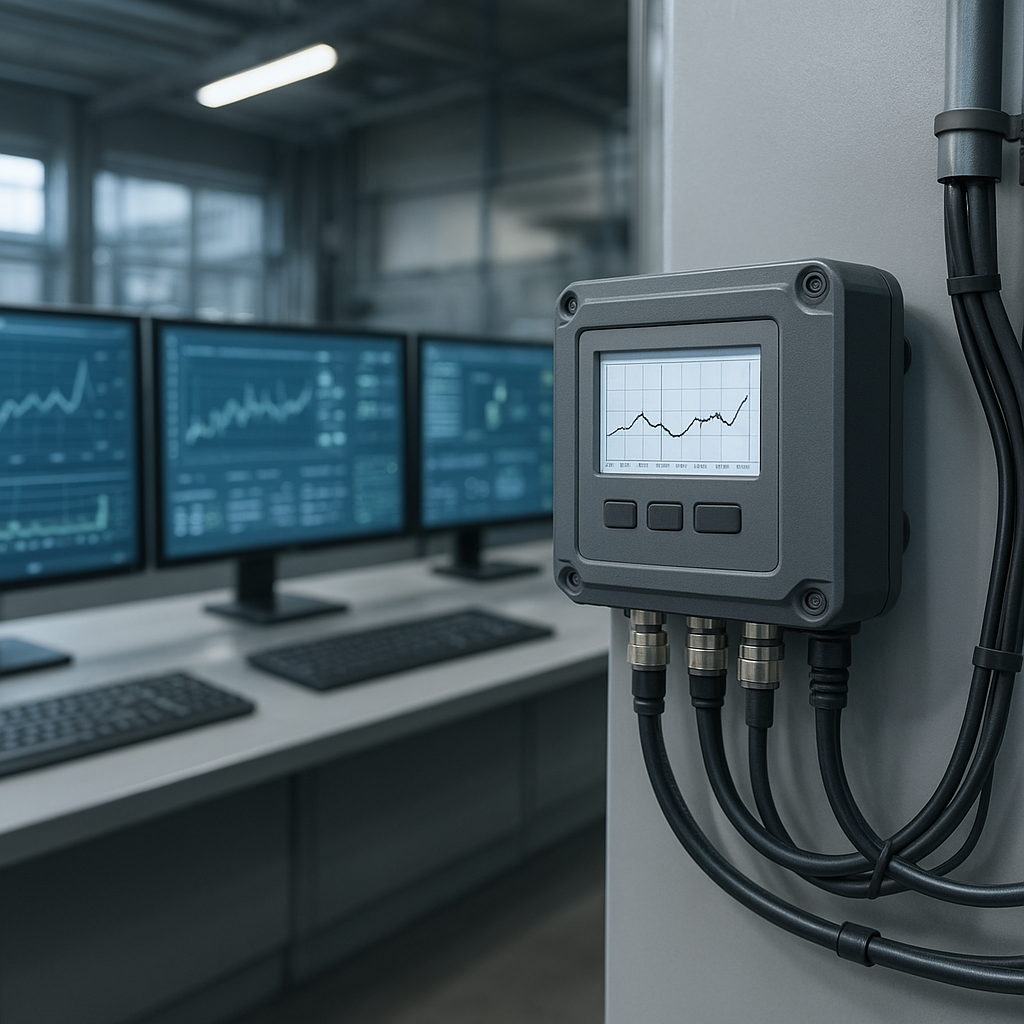
Fully integrated systems combine quality, health and safety, and environmental management into a single, cohesive structure. These systems often require sophisticated data collection and processing tools that can handle multi-dimensional inputs. For example, a petrochemical plant operating under a fully integrated IMS would need data loggers capable of simultaneously monitoring temperature, pressure, and emissions with high precision and reliability. The choice of hardware must support interoperability with existing SCADA (Supervisory Control and Data Acquisition) and PLC (Programmable Logic Controller) systems to ensure seamless data flow.
In contrast, modular or layered IMS approaches allow organisations to implement management standards incrementally or separately, with integration occurring at a higher level. This approach might be suitable for smaller food processing companies where quality control is the immediate priority, and environmental or safety modules are planned for future phases. Equipment procurement in these scenarios tends to focus on specialised devices tailored to the active modules, such as humidity and temperature data loggers for HACCP compliance, without the need for full system interoperability initially.
The type of IMS adopted also affects the procurement market for new versus refurbished equipment. In sectors like food processing, rapid compliance changes and technological advances encourage investment in new, cutting-edge instruments that offer enhanced data accuracy and connectivity. Conversely, in heavy industry or utilities, where capital expenditure cycles are longer and equipment lifespans exceed a decade, refurbished data logging and monitoring devices from reputable manufacturers like Fluke or Vaisala can offer cost-effective solutions provided they meet calibration and firmware update requirements.
Critical Technical Inspection Criteria Before Committing to an IMS Solution
When procuring equipment to support an integrated management system, technical due diligence is essential to avoid costly pitfalls later. Buyers frequently overlook compatibility issues between new IMS components and existing plant infrastructure. For example, data loggers must integrate seamlessly with SCADA and PLC systems, often requiring specific communication protocols such as Modbus, Profibus, or OPC-UA. Failure to verify this can result in data silos or necessitate expensive custom interfacing work.
Data integrity and traceability are paramount in IMS environments. Instruments like temperature or humidity data loggers should support calibration to recognised standards such as NIST or UKAS, with clear audit trail functionality. This includes secure timestamping, tamper-proof data storage, and user access controls. A common pitfall is neglecting to check firmware update policies and availability of spare parts, which can lead to extended downtime if devices become obsolete or unsupported. For instance, a UK-based pharmaceutical facility once faced significant delays because their chosen data logger model lacked manufacturer support for firmware updates, impeding compliance audits.
Another critical inspection criterion involves evaluating the robustness and environmental suitability of IMS equipment. In outdoor or harsh industrial environments, devices must meet ingress protection ratings (IP ratings) and withstand temperature extremes. For example, in utilities or chemical processing plants, data loggers with IP67 or higher ratings are often necessary to ensure durability and accurate readings under adverse conditions.
Balancing Total Cost of Ownership with Operational Efficiency in IMS Equipment Procurement
Procurement decisions should extend beyond initial capital expenditure to consider the total cost of ownership (TCO). This includes costs associated with maintenance, calibration, refurbishment, spare parts availability, and potential downtime. In industries such as aerospace or pharmaceuticals, where operational continuity is critical, longer lead times for specialised components can significantly increase risk.
Older, legacy IMS equipment may appear cost-effective upfront but often incurs higher maintenance and energy costs, along with limitations in data accuracy and connectivity. Conversely, modern digital IMS tools typically offer improved energy efficiency, enhanced data resolution, and cloud connectivity, enabling predictive maintenance and real-time compliance monitoring. However, these benefits come at a premium, requiring careful evaluation of return on investment.
For example, a UK-based food processing company recently opted for refurbished temperature and humidity data loggers to support their HACCP-based IMS. They balanced cost savings against the availability of calibration services and spare parts, ensuring that the selected devices met all compliance criteria without the expense of brand-new hardware. Meanwhile, a petrochemical operator chose new, fully integrated data logging solutions capable of real-time emissions monitoring to meet evolving environmental regulations, accepting higher upfront costs for long-term compliance assurance.
Navigating Compliance Frameworks and Ensuring System Compatibility in Regulated Industries
Integrated management systems in regulated sectors must align tightly with applicable standards and legal requirements. ISO 9001, ISO 14001, and ISO 45001 provide frameworks for quality, environmental, and safety management respectively, but many industries impose additional mandates. For instance, automotive manufacturers must adhere to IATF 16949 standards, while food producers comply with HACCP and BRC Global Standards.
Traceability and audit readiness are integral to these frameworks. Data logging equipment supporting IMS must provide secure, tamper-evident records with exportable reports for regulatory inspections. The ability to demonstrate consistent calibration and maintenance schedules is often scrutinised during audits. In practice, buyers should verify that IMS components, including data loggers, come with comprehensive documentation and vendor support for compliance record keeping.
Integrated data logging solutions such as those available from Cortech provide robust options that meet these stringent requirements. Their devices often feature multi-channel inputs, flexible connectivity, and compliance-focused software that supports the seamless generation of audit reports and data visualisation, critical for sectors like automotive manufacturing and food safety.
Procurement Realities: Industry-Specific Scenarios Highlighting Integrated Management System Challenges
One scenario we encounter regularly involves a UK-based chemical plant upgrading its IMS to incorporate environmental monitoring alongside existing quality and safety modules. The procurement team faced challenges ensuring sensor interoperability across disparate systems and consolidating data streams into a central management platform. Selecting data loggers capable of handling multiple sensor types and protocols, while maintaining data integrity and traceability, was critical to meeting the plant’s compliance and operational requirements.
In the food processing sector, a medium-sized company integrated quality control with HACCP monitoring to better manage temperature and humidity during production and storage. Their procurement decision focused on selecting data loggers with high accuracy, long battery life, and easy calibration to ensure continuous compliance with food safety regulations. They also required a system that could generate automated alerts for deviations to reduce risk of spoilage.
Within the utilities sector, an operations director overseeing a water treatment plant balanced supplier lead times and calibration requirements to minimise downtime when upgrading IMS equipment. They prioritised devices with readily available spare parts and local calibration services, recognising that extended outages for equipment servicing could disrupt supply and impact regulatory compliance.
Addressing Common Concerns: FAQs on Integrated Management Systems in Industrial Settings
What distinguishes an integrated management system from standalone management systems in practice?
An integrated management system differs from standalone systems by combining multiple management disciplines—such as quality, environmental, and health and safety—into a single, cohesive framework. This integration reduces duplication in documentation and processes, simplifies audit preparation, and provides a holistic view of organisational performance. Standalone systems often operate in silos, leading to fragmented data, inconsistent procedures, and increased administrative overhead. In practice, IMS enables more efficient resource allocation and better risk management across all operational areas.
How do buyers ensure long-term supplier support and parts availability for IMS equipment?
Ensuring long-term supplier support requires thorough due diligence during procurement. Buyers should verify the supplier’s track record for servicing installed equipment, availability of spare parts, and policies on firmware updates. It is advisable to request maintenance agreements or service level guarantees that cover calibration, repairs, and software support. Additionally, selecting equipment from manufacturers with a global presence or established UK service centres reduces the risk of supply chain disruptions. In practice, overlooking this can lead to prolonged downtime and regulatory non-compliance, especially in critical industries like pharmaceuticals or utilities.
What technical capabilities should a data logger have to meet multi-standard compliance demands?
To meet multi-standard compliance, data loggers should offer high-accuracy sensors calibrated to recognised standards, secure data storage with audit trails, and compatibility with various communication protocols to integrate with existing control systems. Features such as multi-channel input, real-time data transmission, alarm thresholds, and user access controls are vital. Moreover, software that facilitates data analysis and automated reporting aligned with standards like ISO 9001, ISO 14001, and HACCP is essential. Without these capabilities, organisations risk incomplete records and audit failures.
How does an integrated management system improve operational risk management compared to traditional approaches?
An IMS enhances operational risk management by providing a unified framework that identifies, assesses, and mitigates risks across quality, environmental, and safety domains simultaneously. Traditional approaches often treat these areas separately, leading to inconsistent risk assessments and missed interdependencies. IMS enables better prioritisation of resources, more effective incident response, and continuous improvement through consolidated data analysis. This results in reduced incidents, lower compliance risks, and improved overall operational resilience.
Bringing It All Together: Why Thoughtful IMS Procurement Delivers Lasting Operational Benefits
Integrated management systems represent more than just compliance checklists; they form the backbone of operational resilience and efficiency in complex industrial environments. Procuring the right IMS equipment requires a strategic approach that goes beyond price and brand recognition. Understanding the nuances of system types, technical compatibility, and lifecycle costs is essential to making informed decisions that support long-term goals.
Effective IMS procurement considers the realities of calibration requirements, spare parts availability, and system interoperability with existing infrastructure. Buyers in sectors ranging from food processing to petrochemicals benefit from solutions tailored to their specific compliance and operational challenges. For example, data logging devices with multi-channel inputs and audit-ready software simplify compliance with multifaceted standards, while robust hardware ensures reliable performance in demanding environments.
Exploring specialised IMS equipment options such as those offered by Cortech’s Datalog QL can be a pivotal step in enhancing data accuracy, regulatory alignment, and operational control. The Datalog QL’s adaptability to complex IMS requirements exemplifies how thoughtful procurement can translate into tangible benefits, supporting organisations in meeting their compliance obligations while optimising performance.